USA12 August, 20263 min read
Judge William C. Barrett Pauses Markley Group LLC Data Center Expansion in Lowell, Massachusetts
This article is an automated aggregation of coverage from news outlets. Our editorials offer in-depth analysis curated by the NewsCord team.
Massachusetts Superior Court stayed further installations of the 352,000-square-foot Lowell data center. The pause comes amid resident opposition over noise and environmental pollution from diesel generators.

Lowell expansion paused
A Massachusetts judge ordered a pause on a Markley Group LLC data center’s expansion in Lowell, blocking further installation of industrial diesel generators while a resident-led lawsuit proceeds.
Superior Court Judge William C. Barrett issued an order on Aug. 10 staying enforcement of the latest air permit issued by the Massachusetts Department of Environmental Protection to Markley, granting the residents’ motion to stay only with respect to four backup diesel generators that had not yet been installed.
The court action came after residents argued MassDEP erred in denying seven of the plaintiffs’ legal standing to challenge the air permit through the department’s adjudicatory appeals process, and that MassDEP misconstrued its regulations in restricting the remaining resident to pursuing claims raised in his individual written comment letter.
Lowell resident and plaintiff Jacob Fortes said, "Markley has been in Lowell for 11 years and has had increasingly profound impacts on the community over the past decade," framing the ruling as vindication for residents challenging the expansion.
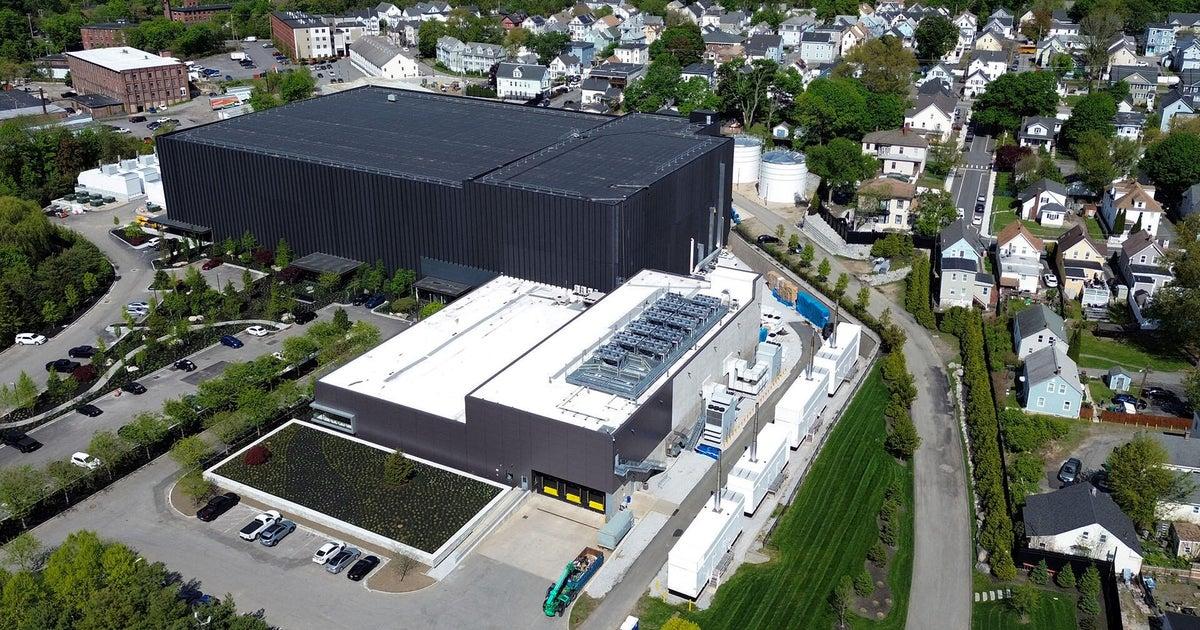
The dispute centers on Markley’s 352,000-square-foot facility in Lowell’s Sacred Heart and Back Central neighborhoods, where residents say the data center’s diesel generators and cooling towers have had impacts on their community.
Residents’ claims and Markley’s response
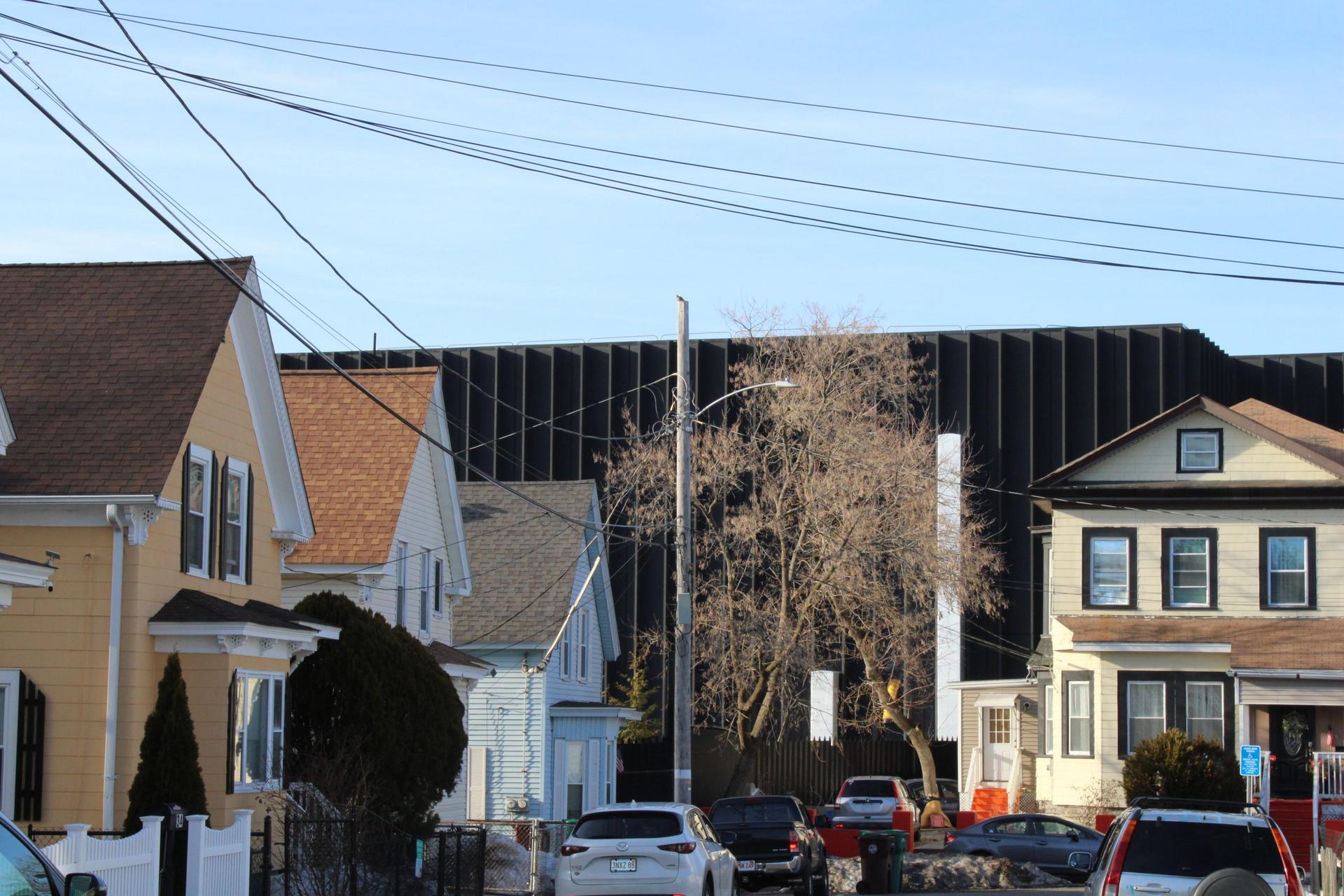
Lowell residents described the proximity of Markley’s diesel smokestack and generators, with Jake Fortes telling WBZ that a diesel smokestack sits 84 feet from his home and that backup generators run about five to 10 minutes per week.
Fortes said, "When they turn them on, the smoke literally just wafted into the first floor of our house," describing diesel fumes that he said filled the second floor.
In court filings and public statements, residents argued MassDEP failed to adequately consider the community’s existing pollution burden and improperly allowed the expansion to move forward while their challenge was pending, according to Alexandra St. Pierre of the Conservation Law Foundation.
Markley Group CEO Jeff Markley argued the decision was based on a limited set of facts and said, "We believe once the full record is before the Court, it will be clear that the previous dismissal of the appeal at issue was proper".
The New England News Collaborative reported that Lowell’s City Council had unanimously passed a 360-day temporary ban on construction, development and expansion of new data centers, but that Markley sued and reached an agreement allowing the company to move forward with expansion plans pre-dating the moratorium.
Broader US pushback
Beyond Lowell, ConstructConnect News described growing pushback against data center expansion in Chicago, Colorado, and Massachusetts, with Chicago ordering tighter interim reviews and pursuing a temporary moratorium on new facilities and material expansions. In Chicago, Brandon Johnson signed an executive order establishing enhanced regulatory review for data centers and directing city agencies to strengthen review of air pollution permits, establish data center-specific noise rules and assess electricity demand, water use, generator impacts, cumulative environmental burdens and neighborhood effects. In Parker, Colorado, Douglas County commissioners unanimously approved a 100% rebate of the county’s share of business personal property taxes for 35 years worth more than $19 million for a Flexential data center expected to open in 2027 and create 16 jobs, while residents and critics weighed a decades-long public subsidy against those benefits.
In Massachusetts, the court order and Lowell’s moratorium were described as separate constraints—one affecting four uninstalled generators under an air permit and the other addressing future data center development and expansion through zoning and permitting. The stakes, as framed by the Yale Law School coverage, include whether residents in Environmental Justice populations can secure meaningful participation in permitting decisions, with the court recognizing that “[c]ommunities like this are often overlooked and left out of the administrative process.”