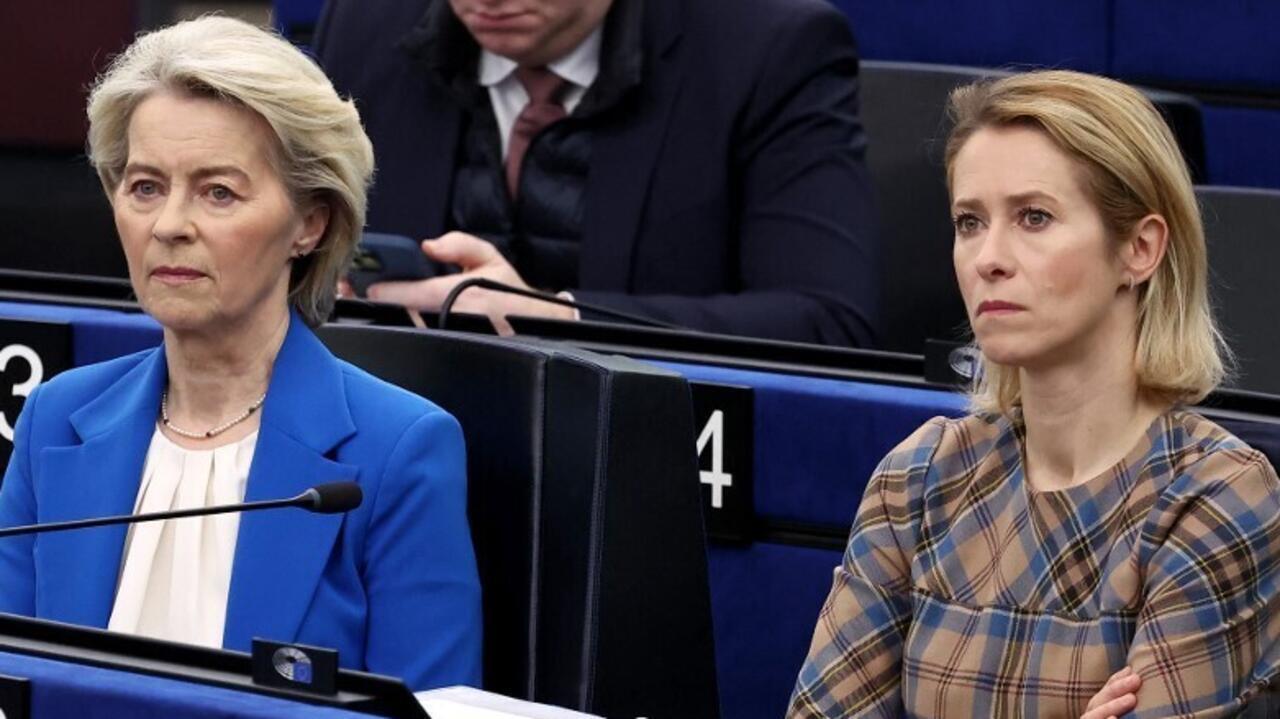
Kaja Kallas and Ursula von der Leyen Fracture EU External Action Service, Sources Say
Key Takeaways
- Kallas and von der Leyen's frictions fracture the EU's external diplomacy.
- Debate over dismantling or reform of EEAS; Kallas downplays abolition.
- Internal tensions highlight weaknesses in EU diplomacy amid external challenges.
EEAS authority questioned
The European External Action Service (EEAS) has been plunged into uncertainty as tensions between Kaja Kallas and Ursula von der Leyen intensify inside and outside EU institutions, with “the relationship has never been too good between Kaja Kallas and Ursula von der Leyen” cited by sources consulted by El Mundo America.
“The president of the European Commission, Ursula von der Leyen, has backed the work of the EU's High Representative for Foreign Affairs and Security Policy, Kaja Kallas, at a moment when some countries are calling to dismantle the European External Action Service (EEAS) and return its competences to the member states and to the EU's executive”
El Mundo America links the dispute to Kallas’s appointment on December 1, 2024 as High Representative in place of Josep Borrell, and says the External Action limps due to “lack of consensus among the States, not in Brussels.”
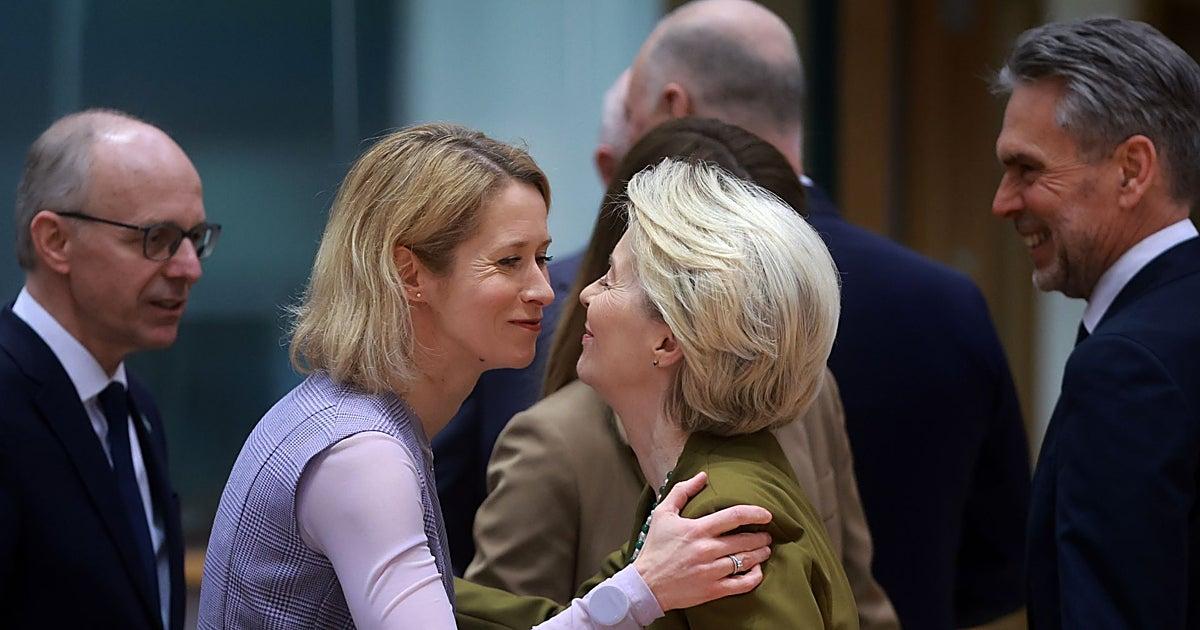
POLITICO describes the EEAS as a service born of compromise under the Lisbon Treaty, launched 16 years ago and formally established by a Council decision in 2010, leaving it with “broad expectations but limited authority.”
POLITICO adds that the EEAS sits between the Commission, the Council, and 27 EU member countries, with divided lines of authority and clashing competencies, while noting that about two-thirds of its 5,000 staff come from the Commission and EU institutions and around one-third are diplomats seconded from member countries for four-year stints.
Against that backdrop, POLITICO frames the current leadership fight as part of a deeper structural problem, quoting Nathalie Tocci that “we effectively have a ‘Houston, we have a problem’ situation” about the EEAS’s functioning.
France, Germany, and Kallas
Euronews reports that an informal document linked to the French government circulated amid criticism of Kaja Kallas, presenting three options including one that would strengthen her portfolio and two that would weaken her role by transferring powers either to the European Commission or to the member states.
Euronews also quotes Kallas’s internal email to staff: “It is important to recall that the roles and responsibilities of EU institutions are clearly defined in the treaties.”

Euractiv says Kallas downplayed the possibility of abolishing the EEAS, writing in an email to staff that “You have already seen that I am committed to a strong EEAS, guaranteeing a stronger European foreign and security policy.”
Euractiv reports that Reuters described a French-prepared document with three possible paths: place diplomatic responsibilities under the Commission, transfer them to the EU Council, or strengthen both the EEAS and Kallas’s powers.
In parallel, ABC reports that Ursula von der Leyen backed Kallas’s work, with Commission chief spokesperson Paula Pinho saying the EEAS is “part of the institutions that implement EU policies.”
Israel veto and diplomatic friction
The dispute over who controls EU foreign policy has spilled into the Israel file, with elDiario.es saying Israel’s foreign minister Gideon Saar announced he was breaking relations with Kaja Kallas.
“Spain: The EU Commissioner for Migration endorses 'rejecting unilateral regularization processes' such as Sánchez's, saying 'they generate pull effects”
elDiario.es quotes Saar after meeting Dubravka Šuica, saying: “Israel valora su relación con Europa y cree en un diálogo amplio, honesto y abierto.”
La Vanguardia adds that Israel cut ties with Kallas and accused her of comparing how Israel treats Palestinians in Gaza and the West Bank to apartheid in South Africa, and it reports that Sa’ar wrote: “I have no option but to cut off all contact with Mrs. Kallas until she retracts the blood libel directed at the world's only Jewish state.”
La Vanguardia also says the Commission spokesperson Paula Pinho stated that “the Commission backs all the members of its College,” while avoiding “entering into the details of the debate on this particular issue.”
Against this backdrop, elDiario.es links the Israel confrontation to internal EU power struggles, saying the controversy comes as an internal report allegedly prepared by France and Germany proposed eliminating or modifying the Service Europeo de Acción Exterior (SEAE), which Kallas leads.
More on Europe

Russia Orchestrated Coordinated Drone Campaign Over Europe Using Shadow Fleet Vessels, IISS Says
30 sources compared

Zbigniew Ziobro Reopens Roman Polanski Extradition Toward United States After Hungary Asylum
16 sources compared

Nottingham Forest Sacks Vítor Pereira, Appoints Oliver Glasner as Replacement
11 sources compared

Germany Indicts Ukrainian Suspect Serhii K Over 2022 Nord Stream Pipeline Blasts
16 sources compared