Iran19 April, 20267 min read
Kamala Harris Says Netanyahu Pulled Trump Into Iran War Over Epstein Files
Harris says Netanyahu pulled Trump into Iran war. Trump used Iran war to distract from Epstein files.
PressTV was read line by line by the Watchdog: 1.9. See the score →
Harris links Trump to Iran
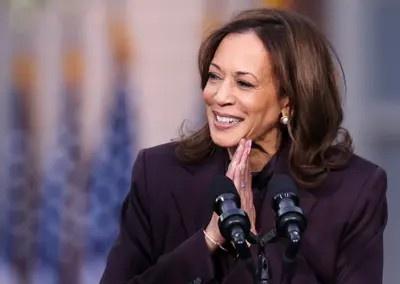
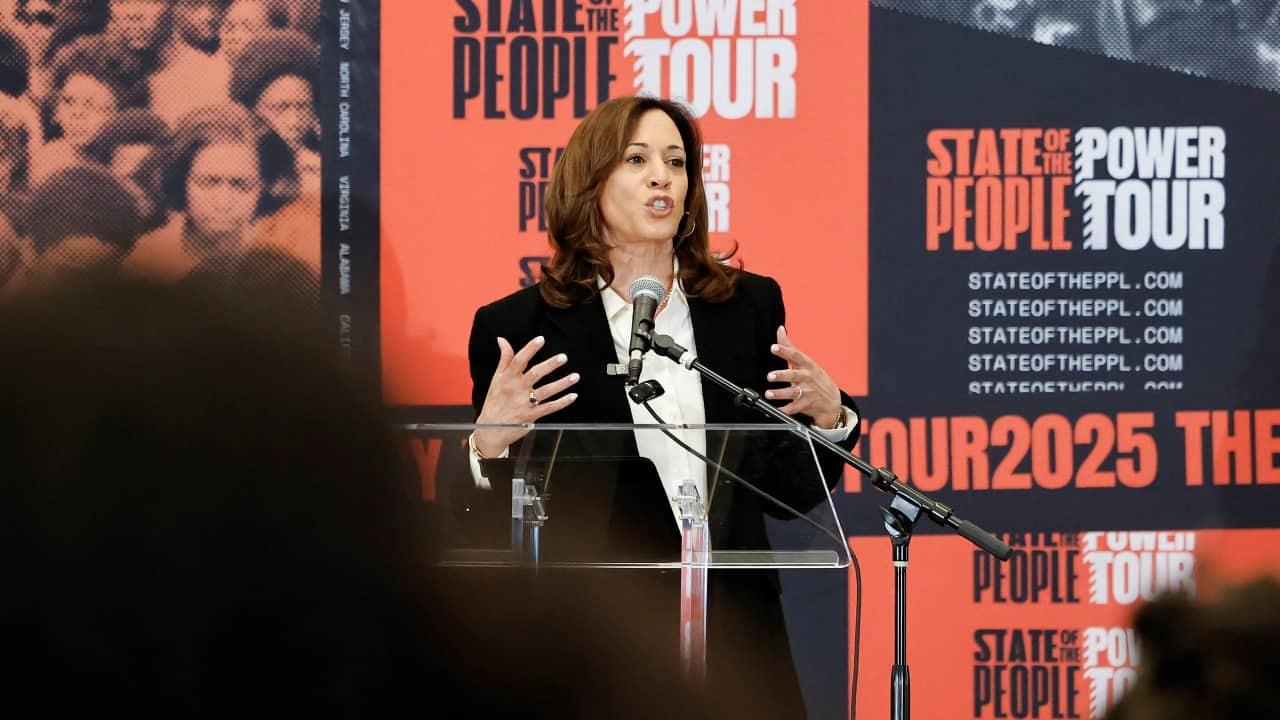
Former US Vice President Kamala Harris accused Donald Trump of being “pulled into” a war with Iran by Israeli Prime Minister Benjamin Netanyahu, framing the conflict as an “unnecessary war” that goes against “the will of the American people.” Speaking at an event hosted by the Michigan Democratic Women’s Caucus in Detroit on Saturday, Harris said the war was one “that the American people do not want,” and she argued Trump “entered a war, got pulled into it by Bibi Netanyahu.” Multiple outlets repeated Harris’s claim that Trump’s military involvement was a diversion, with Firstpost describing her allegation that Trump used “Operation Epic Fury” as a “feeble attempt” to distract from the “Epstein files.”
PressTV likewise said Harris described the move as a “feeble attempt to distract [the American] public from Epstein files,” and it quoted her saying, “Trump entered a war, and he got pulled into it by Bibi Netanyahu, let us be clear about that, that the American people did not want.” Zee News echoed the same linkage, stating Harris accused Trump of being “pulled into” a war by Netanyahu and calling the escalation a “feeble attempt” to divert attention from the “Epstein files.” In the same Detroit remarks, Harris also attacked the administration’s character and competence, with The Times of India reporting she called it the “most corrupt, callous and incompetent” administration in US history and with PressTV adding that “We are dealing with the most corrupt, callous and incompetent presidential administration in the history of the United States,” as she condemned Trump as an “insecure man.”

Operation Epic Fury and Epstein
Harris’s criticism centered on what she described as a deliberate attempt to shift public attention away from domestic controversies, with several outlets tying her remarks to “Operation Epic Fury” and the “Epstein files.” The Times of India reported that Harris alleged Trump’s “Operation Epic Fury” was “a feeble attempt to distract from the ‘Epstein files’,” and it said she argued the war was one “that the American people do not want.” Firstpost similarly said Harris accused Trump of using “Operation Epic Fury” as a “high-stakes diversionary tactic,” and it quoted her telling the audience, “He entered a war, got pulled into it by Bibi Netanyahu, let us be clear about that, entered a war that the American people do not want, putting at risk American service members in a feeble attempt to distract from the ‘Epstein files’ and his domestic failures.”
PressTV framed the same allegation as a distraction from the “Epstein files,” stating Harris said Trump wanted to change the focus of US public opinion from “his involvement with Epstein” to a war affecting “every aspect of American daily life.” Zee News described Harris’s remarks as linking the Iran escalation to the “Epstein Files,” and it repeated that she said “Operation Epic Fury” was being deployed to divert attention from domestic controversies. In addition to the Epstein-related framing, Harris argued Trump sought to project strength through military action, with The Times of India quoting her that he wants to “walk around as if he is strong and will use the force of America’s military against anyone whom he chooses.”
Gas prices and domestic strain
Beyond the Epstein-files framing, Harris tied the Iran conflict to economic pressure, with Madar News and PressTV both describing consequences that reach everyday costs. Madar News reported that Harris said the step runs counter to the will of the American people and puts soldiers at risk, quoting her: “He has entered a war the American people do not want, and thus puts American soldiers at risk.” It then attributed to Harris economic repercussions, stating: “Americans pay on average at least $15 more per fill-up for fueling their cars with gasoline, and diesel prices have risen by 50%.”
PressTV also said Harris condemned the aggression for fueling an “internal war” that is hurting the public, as “rising gasoline prices continue to strain households.” Zee News added that Harris’s remarks came amid heightened regional tensions and referenced the Strait of Hormuz, describing how the situation intensified around the “one of the world’s most important oil transit routes.” PressTV also described the conflict’s timeline starting with “February 28” and said the aggression “assassinated senior Iranian officials and commanders,” including “the Leader of the Islamic Republic Ayatollah Seyyed Ali Khamenei.”
Ceasefire talks and regional escalation
While Harris delivered her remarks in Detroit, the sources also placed her comments within a broader account of regional escalation and ceasefire diplomacy involving the United States and Iran. PressTV said that on April 8, Iran’s Supreme National Security Council (SNSC) announced “an agreement to a Pakistan-brokered temporary ceasefire,” after the US accepted Iran’s “10-point proposal,” and it described negotiations involving “a high-ranking delegation from Iran led by Parliament Speaker Mohammad Baqer Qalibaf” and a US delegation led by “Vice President JD Vance.” PressTV added that “Despite 21 hours of intensive discussions, the negotiations ended without an agreement,” and it said Iran cited “excessive demands” from the US side.
Zee News described the regional situation intensifying around the Strait of Hormuz, saying the Islamic Revolutionary Guard Corps Navy announced the closure of the Strait of Hormuz, citing the United States’ decision to maintain a blockade of Iranian ports. It quoted the IRGC saying, “Due to the violation of the ceasefire conditions, and as the American adversary has not lifted the naval blockade on Iranian vessels and ports, the Strait of Hormuz has been closed as of this evening until this blockade is removed,” and it added that the force warned ships should not attempt to leave “anchorage in the Persian Gulf or the Sea of Oman” toward the waterway. Anadolu Ajansı, meanwhile, described a separate ceasefire dynamic and quoted Netanyahu’s recorded statement about a “temporary ceasefire for ten days,” while also referencing a June 24, 2025 ceasefire agreement between Israel and Iran after a war lasting “12 days.”

Israel, Trump, and competing frames
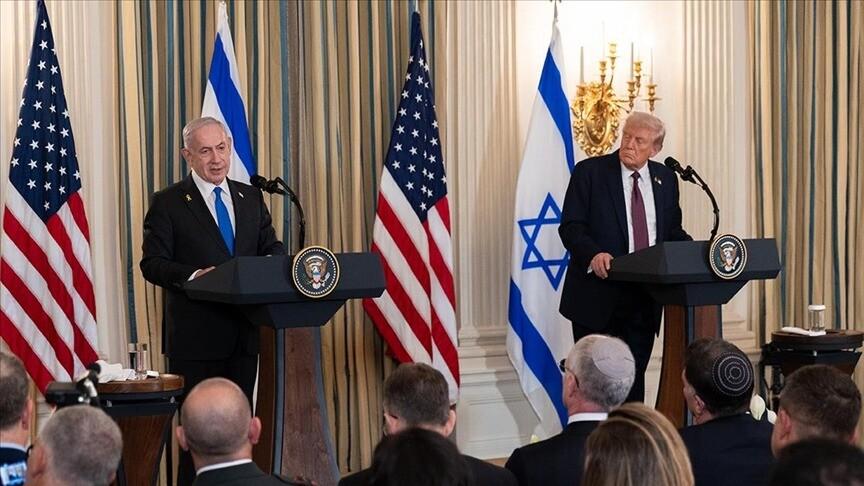
The sources also diverge in how they frame the relationship between Trump, Netanyahu, and the Iran conflict, with some emphasizing Harris’s allegations and others emphasizing ceasefire outcomes and Israeli political backlash. The Times of India reported that Netanyahu “has previously rejected such allegations, calling them “fake news,”” while it described Harris’s claim that Trump was “pulled into” the conflict by Netanyahu. Firstpost similarly said Netanyahu had previously dismissed such claims as “fake news,” asserting that Trump acts solely on what is “good for America,” and it described Harris’s remarks as part of a narrative gaining traction among Democratic leadership.
In contrast, Anadolu Ajansı presented Israeli analysts’ views that Trump forced Netanyahu to halt the fire and that Israel was living through its “worst strategic failure,” quoting Ya’ir Golan saying, “Netanyahu lied, he promised a historic victory and security for generations, and in reality we have suffered Israel’s worst strategic failure.” Anadolu Ajansı also quoted Netanyahu’s recorded statement addressed to Israelis: “I have responded to President Trump’s invitation and I agreed to a temporary ceasefire for ten days, in order to push forward the agreement that we began discussing during the ambassadors' meeting in Washington.” Meanwhile, PressTV and Zee News kept the focus on Harris’s accusation that Netanyahu dragged Trump into war, with PressTV calling it “criminal US-Israeli aggression” and Zee News describing Trump’s public praise of Israel as a “great ally” that “knows how to WIN.”
What comes next
Across the sources, the immediate political and diplomatic next steps appear tied to investigation promises, ceasefire negotiations, and the prospect of further escalation affecting energy and regional security. PressTV said that after April 8 talks, “the negotiations ended without an agreement,” with Iran citing “excessive demands” from the US side, and it described the SNSC’s announcement of a “Pakistan-brokered temporary ceasefire” after the US accepted Iran’s “10-point proposal.” Zee News reported that the IRGC said the Strait of Hormuz was closed “until this blockade is removed,” and it warned that any movement toward the waterway would be seen as “cooperation with the enemy and the violating vessel will be targeted.”
In the political arena, Harris’s Detroit remarks were explicitly connected to US domestic timing, with The Times of India saying she expects the Democratic Party to win the upcoming midterm elections in November. Anadolu Ajansı’s Israeli analyst account suggested that ceasefire acceptance reflects “limited options” facing Netanyahu under “increasing American pressure,” and it quoted Amos Harel writing that Washington may later pressure to force Israel to withdraw from southern Lebanon. Taken together, the sources portray a near-term landscape where Harris’s accusations about diversion and “Epstein files” intersect with ongoing ceasefire diplomacy, contested control of the Strait of Hormuz, and political battles ahead of the November midterms.