Technology and Science · updated 1h ago · 2 min read
Nobel Prize in Physiology Or Medicine 2026 Goes To Deisseroth, Hegemann, And Nagel
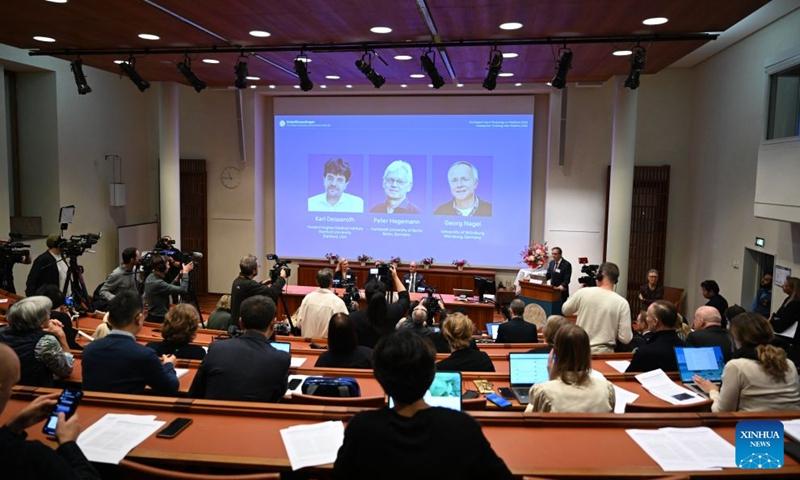
Karl Deisseroth, Peter Hegemann and Georg Nagel win the 2026 Nobel Prize. Prize awarded for light-gated ion channels and optogenetics.
Human clinical uses and applications beyond research are emphasised differently.
4 of 5 outlets skipped it: optogenetics can be used in humans only very limitedly, with safety/ethical concerns noted.
45outlets compared
Same story, two versions
tap a side to read it in full
DW
“In clinical medicine, researchers are using the method in attempts to restore sight in people with visual impairment.”Read the original ↗
Some outlets lead with clinical promise, others with a research-to-applications narrative.
Nobel for brain light-switch
The Nobel Prize in Physiology or Medicine 2026 was awarded to Karl Deisseroth, Peter Hegemann and Georg Nagel for their discoveries concerning light-gated ion channels and optogenetics, announced by the Nobel Assembly at Sweden's Karolinska Institute in Stockholm, Sweden on Monday. The Nobel Assembly said optogenetics provides a way to switch on and off neural circuits behind "specific memories, feelings, and behaviours relevant for neurological and psychiatric disorders".
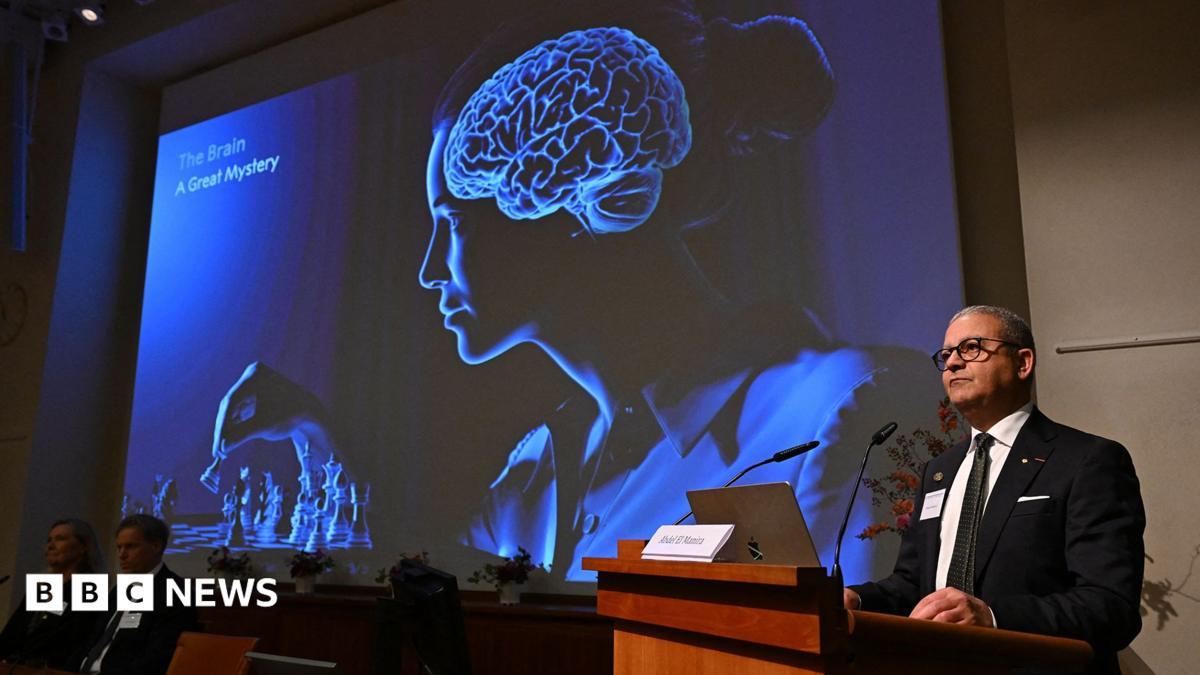
The Nobel Assembly also said the method has helped researchers learn more about the inner workings of the brain, with the committee adding that "Optogenetics has fundamentally altered our understanding of the brain." Thomas Perlmann, secretary general of the Nobel Assembly at Karolinska Institutet, said the method is now being used in laboratories around the world to reveal the brain's mysteries, and he described it as a tool that makes it possible to switch on, or off, the activity of individual nerve cells in a living brain.
From algae proteins to circuits
Hegemann and Nagel discovered channelrhodopsin in the early 2000s, and the Nobel Assembly described it as a protein that was discovered in a single-celled alga. The Nobel Assembly said "Karl Deisseroth transformed the protein into a light-controlled switch for nerve cells," linking the algal discovery to a way to control neural activity.
The BBC said researchers have since been able to study nerve cells and pathways in animals to see and discover more about what they do, and it described optogenetics as a way to illuminate brain pathways using a special protein borrowed from algae. Thomas Perlmann said optogenetics makes it possible to switch on, or off, the activity of individual nerve cells in a living brain, and he said the method is now being used in laboratories around the world to reveal the brain's mysteries.
Clinical hopes and prize details
The Nobel Assembly said researchers have taken "the first steps" towards using optogenetics as a medical treatment, with ongoing clinical trials working to restore vision in people blind due to retinitis pigmentosa. The BBC described how inserting a special protein in the damaged region of the eye led the patient to regain some vision when wearing special glasses emitting light, and it said this switched on the therapeutic algae proteins.
The Nobel Assembly said the three laureates will share a prize of 12 million Swedish kronor, and the BBC said the three men will also share the £900,000 (12 million Swedish kronor) prize money. The Nobel Assembly said the Nobel Prize in Physiology or Medicine 2026 was announced in Stockholm, Sweden, and it said the method is being used to reveal neural circuits behind memories, feelings, and behaviours relevant to neurological and psychiatric disorders.