Canada18 September, 20262 min read
Kash Patel Temporarily Halted FBI Cooperation With RCMP After CBC 9/11 Guideline Criticism
This article is an automated aggregation of coverage from news outlets. Our editorials offer in-depth analysis curated by the NewsCord team.
Kash Patel temporarily halted some FBI cooperation with the RCMP after CBC's 9/11 terminology guideline. CBC/Radio-Canada guideline advised not to refer to Sept. 11 attacks as terrorism without attribution.
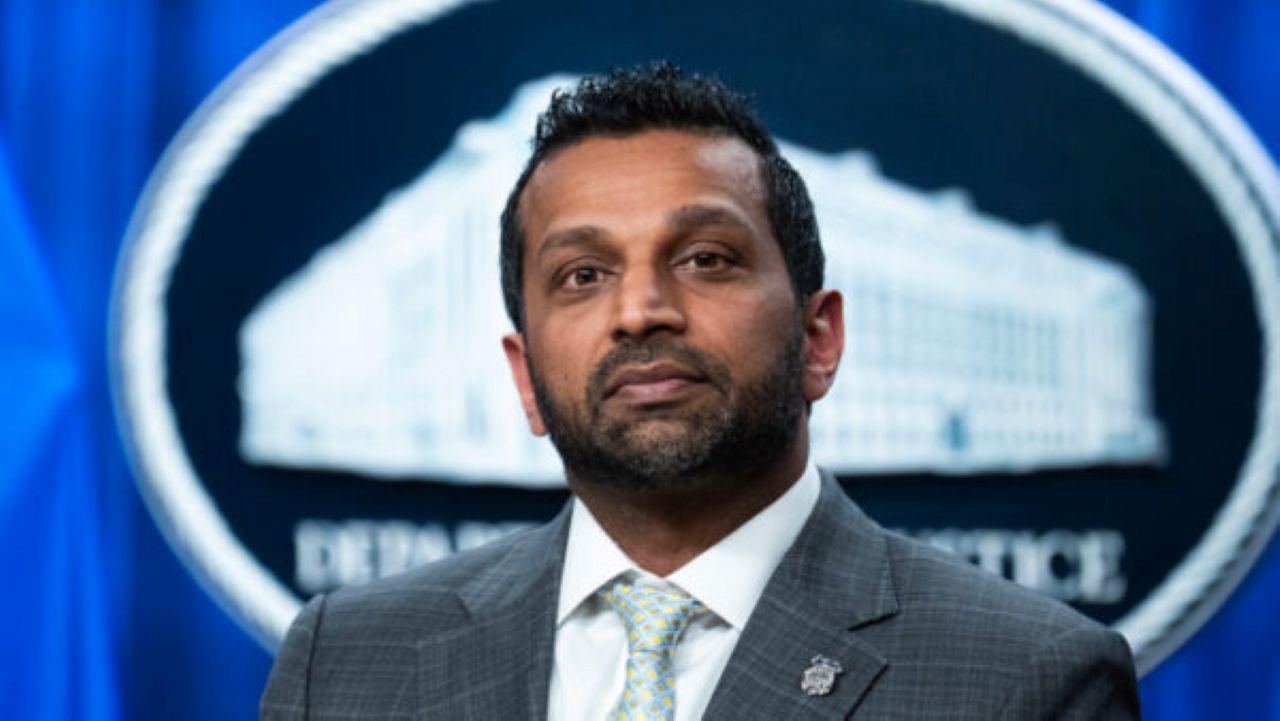
Patel tweet triggers RCMP probe
The Royal Canadian Mounted Police initiated internal inquiries after FBI Director Kash Patel criticized CBC/Radio-Canada’s internal guideline on removing the word “terrorism” from coverage of the September 11 attacks’ 25th anniversary. Patel posted on August 27 that any Canadian agency that did not publicly reject the CBC’s policy “will no longer have a friend in this FBI.” The Globe and Mail decided not to disclose the identities of the sources, and the RCMP said it had not discovered any disruptions in the flow of intelligence from the FBI.
“In his August 27 post, Patel stated that any Canadian agency that did not publicly reject the CBC’s policy ‘will no longer have a friend in this FBI.’”
Patel had “temporarily halted” cooperation with the RCMP in response to the controversial CBC policy, including the cancellation of meetings. White House spokeswoman Lauren Bis criticized the CBC policy but did not address queries about the New York Times report.

Cooperation pause and CBC reversal
Patel temporarily halted some FBI cooperation with the RCMP after CBC reminded journalists not to refer to the 9/11 attacks as “terrorism” without attribution to experts. The move risked disrupting operations and the FBI’s relationship with Canada’s national law enforcement agency, and the FBI works closely with the Canadian bureau on terrorism and cybersecurity cases. The CBC reversed its stance and issued updated guidance in August, and Canadian Culture Minister Marc Miller said the updated guidance brought a “welcome change to what was a piece of pedantic and foolish guidance that caused legitimate anger,” according to the report.
Patel threatened Canada in social media posts in late August, including writing, “Any agency in Canada that doesn’t publicly reject this bastardization of history, and an insult to the souls lost during our largest terrorist attack in US history will no longer have friends in this FBI…”. The RCMP probe found no indication that intelligence sharing between the two police forces had been interrupted, and two sources indicated the RCMP received no official notifications from the FBI about cooperation being suspended.

What is at stake for ties
Patel’s abrupt move risked disrupting FBI operations with Canada and jeopardizing the organization’s relationship with Canada’s national law enforcement agency, which works closely with the bureau on terrorism and cybersecurity cases. The cooperation disruption “appears to have been short-lived,” and the Times noted that other parts of the U.S. government involved in intelligence-sharing continued with their operations. The RCMP said it could not speak to intelligence-sharing practices of other law enforcement agencies, and it highlighted that RCMP Commissioner Mike Duheme said, “We value our relationship with our U.S. counterparts, as we work closely to respond to threats to national security and maintain situational awareness of emerging risks.”
Patel’s post on X came a week after Prime Minister Mark Carney announced that his government was walking away from trade negotiations with the United States, as animosity between the two countries increased amid President Donald Trump’s trade war. The pause ended around the 25th anniversary of the attacks, though its exact duration was unclear, and FBI officials canceled meetings with the Royal Canadian Mounted Police and indicated they would be out of contact for a period.