Britain20 July, 20263 min read
Keir Starmer Announces 300-Billion-Pound UK Defence Investment Plan With Drones And Uncrewed Submarines
Adds £15 billion in extra defence funding over the next four years. Defence Investment Plan centers on drones, self-flying jets, and uncrewed submarines.
BBC was read line by line by the Watchdog: 5.5. See the score →
Starmer unveils £15bn plan
Prime Minister Keir Starmer announced a Defence Investment Plan on Tuesday that puts self-flying fighter jets, uncrewed submarines and drones at the centre of Britain’s future military.
Starmer said the plan will keep Britain safe in “a more dangerous and volatile world than at any time for decades,” and he framed the approach as “When the world is arming and aggression is rising, the best way to avoid war is to prepare for it.”

The plan includes a 15 billion pound boost to defence spending over the next four years, with the government saying funding will take defence spending to almost 300 billion pounds over that period.
The blueprint does not commit to spending three per cent of U.K. GDP on defence by 2030, a gap that spurred John Healey to resign as U.K. defence secretary on June 11.
The BBC reported that the DIP sets out a rise to 2.7% of GDP by 2027-28 and says defence spending “by the end of the decade will be 2.7% of GDP.”
Healey, Jarvis and critics
Defence Secretary Dan Jarvis, named by Starmer as having worked to “sharpen and strengthen” the plan, inherited a dispute over whether the funding is enough to meet NATO targets. Healey accused the government of underspending on the military at a time of “rising threats,” and the BBC said Healey resigned on 11 June after warning the DIP he was presented with only committed to take Nato-qualifying defence spending to 2.68% by 2030. The Guardian reported that Starmer warned his successor not to borrow more to pay for defence as he raided energy, transport and housing projects to plug a military spending deficit with an extra £15bn over the next four years.
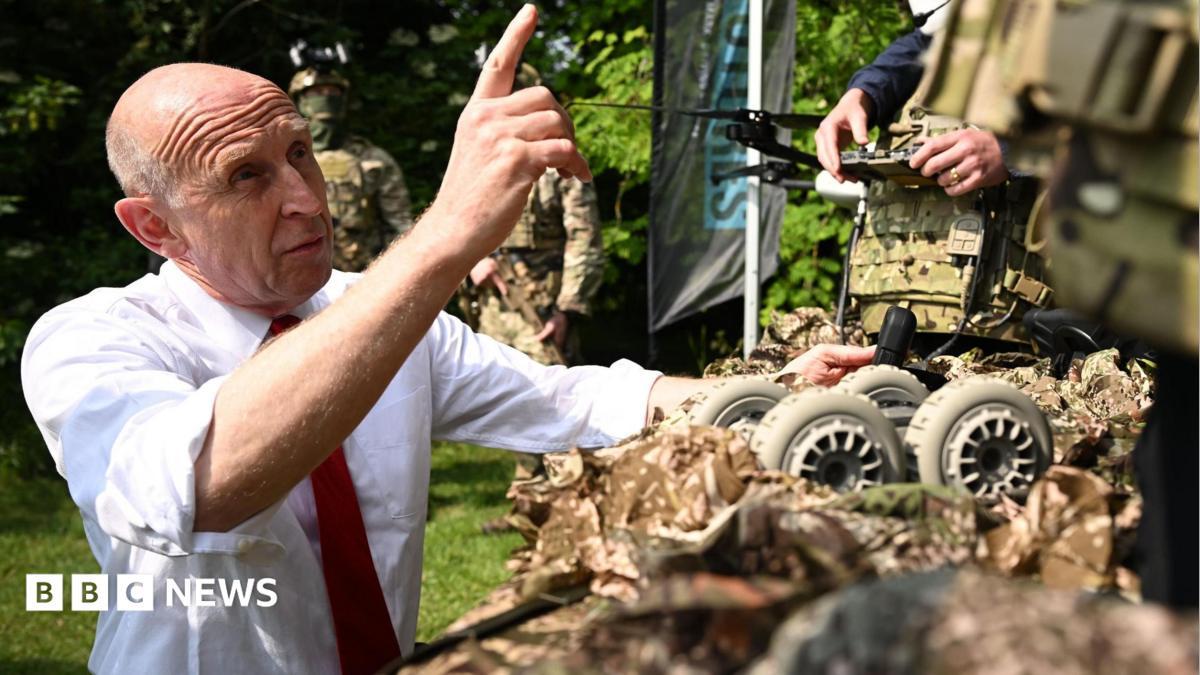
In the Guardian’s account, Starmer also told an audience at a drone-making company in Berkshire that “Defence bonds are just borrowing by another name,” and he argued that borrowing would push interest rates higher. The BBC said Starmer insisted the DIP puts the UK on a “trajectory” to achieve the ambition of spending 3% of GDP in the next parliament, while also stating the separate commitment to Nato of 3.5% of GDP by 2035 “will be met.”
NATO summit and spending pressure
Starmer is set to take the plan to Ankara for a NATO summit on July 7-8, as the government seeks to show it is on track to spend 3.5 percent of GDP on defence by 2035. Al Jazeera reported that Starmer said the world has changed and that “National security is economic security,” while also noting that two defence ministers quit this month in a row over the spending proposals, including Defence Secretary John Healey. The BBC said the UK’s spending was estimated by the military alliance to be £70bn in 2025, equivalent to 2.4% of the UK’s GDP in that year, and it described how Nato-qualifying defence spending differs from the MoD budget.
The Guardian reported that Starmer said “Some capital projects, for example, on roads and energy, which are important but not immediately vital, will no longer go ahead as planned,” tying the defence uplift to trade-offs across departments. CP24 said the U.K. remains committed to hitting NATO’s target of 3.5 per cent of GDP by 2035, though it is unclear how it will get there, and it said the plan’s full document is due to be published later Tuesday.