Africa15 October, 20252 min read
Kenyan Opposition Leader Raila Odinga Dies of Heart Attack in India at 80
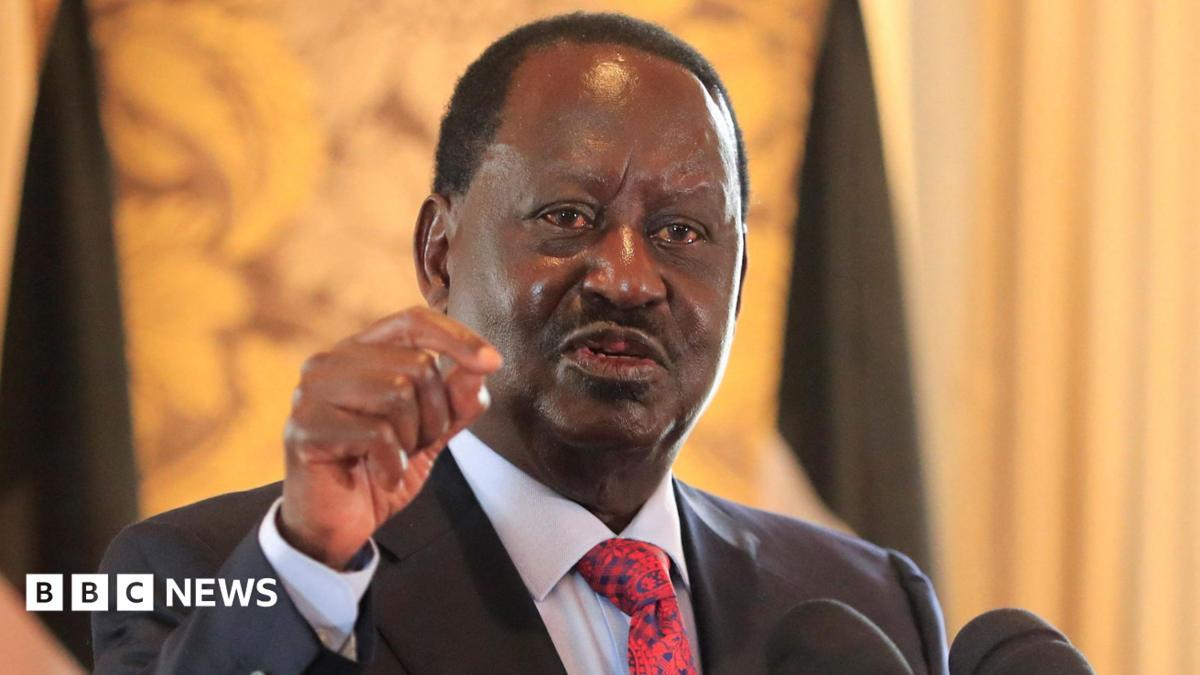
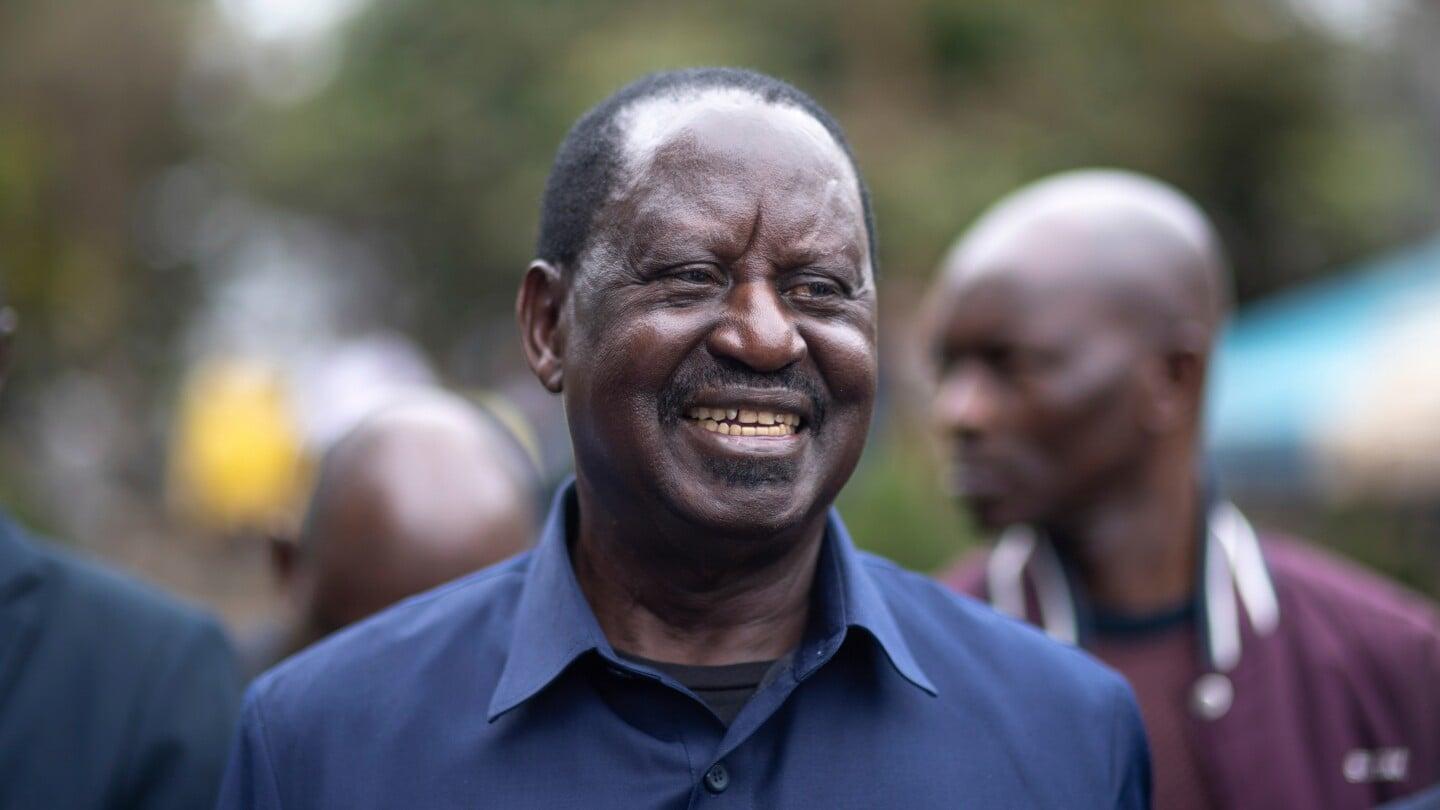
Raila Odinga died of a heart attack during a morning walk in Kerala, India. He was a former Kenyan Prime Minister and five-time presidential candidate.
91 outlets told this the same way.
Death of Kenyan Leader Odinga
Kenya’s veteran opposition leader and former prime minister Raila Odinga died at age 80 in India. He suffered a cardiac arrest during a morning walk while receiving Ayurvedic care. He was rushed to Devamatha Hospital in Kerala, where resuscitation attempts failed.
“Sreedhareeyam Ayurvedic Eye Hospital and Research Centre in Kerala, India, where he had been receiving treatment for five days following a mild stroke.”
He was declared dead around 09:52 local time. Multiple outlets specify the setting as an Ayurvedic clinic in Koothattukulam or Kochi.
Some reports note he had recently sought treatment following earlier health issues. While the core facts align on a heart attack in India and immediate hospital efforts, reports vary on the exact facility and preexisting conditions cited prior to his collapse.
Odinga's Political Legacy
Odinga’s national stature was forged through decades of opposition to one-party rule. He played a central role in Kenya’s transition to multiparty democracy in 1991 and in constitutional reform culminating in 2010. He contested the presidency five times and served as prime minister from 2008 to 2013 in a power-sharing government formed after deadly post-election violence in 2007.
Accounts differ on the toll of that crisis and the framing of his legacy. Many outlets hail him as a democracy icon, while others note criticisms of polarizing tactics.

National Response to Odinga's Passing
His passing triggered an immediate national and regional response. President William Ruto declared seven days of mourning and a state funeral. Leaders from Africa and India offered tributes.
“His death sparked widespread mourning across Kenya, with President William Ruto declaring seven days of national mourning and a state funeral.”
Several sources highlight Odinga’s late-life cooperation with Ruto, including a 2024 pact that integrated opposition voices into government. According to some outlets, this pact left Kenya without an official opposition. Coverage also notes Ruto’s visit to Odinga’s family as mourners gathered at his Nairobi home.
Odinga's Political Impact
Odinga’s electoral battles shaped modern Kenyan politics. He lost five presidential races between 1997 and 2022. He led mass protests against perceived electoral fraud.
He was central to pivotal legal and political turning points in Kenya. Notably, Kenya’s Supreme Court annulled the 2017 presidential election, an unprecedented decision in Africa. After the annulment, he boycotted the rerun election citing lack of reforms.

Media coverage varies in how outlets frame his repeated fraud allegations across election cycles. Coverage also differs during moments when institutions validated his challenges.
Odinga's Influence and Legacy
Beyond politics, sources paint contrasting portraits of Odinga’s influence and personal story. He was known by affectionate nicknames such as “Baba” and “Agwambo.” Odinga was recognized for his cross-ethnic outreach as well as facing criticism over ethnic mobilization.
“Odinga was both revered and criticized for ethnic-based mobilization and polarizing rhetoric.”
He held a pan-African stature and once pursued, though unsuccessfully, the chair of the African Union. His family was present with him in Kerala, where a hospital linked to his daughter’s earlier recovery is located.

Some outlets reported unrest in Nairobi and Kisumu following his death. Other sources focused on the solemn mourning that took place after his passing.