
Israeli Politicsupdated 5m ago3 min read
Archive photoKnesset Gives Preliminary Approval to Eight-Year PM Term Limit and October 7 Inquiry Commission
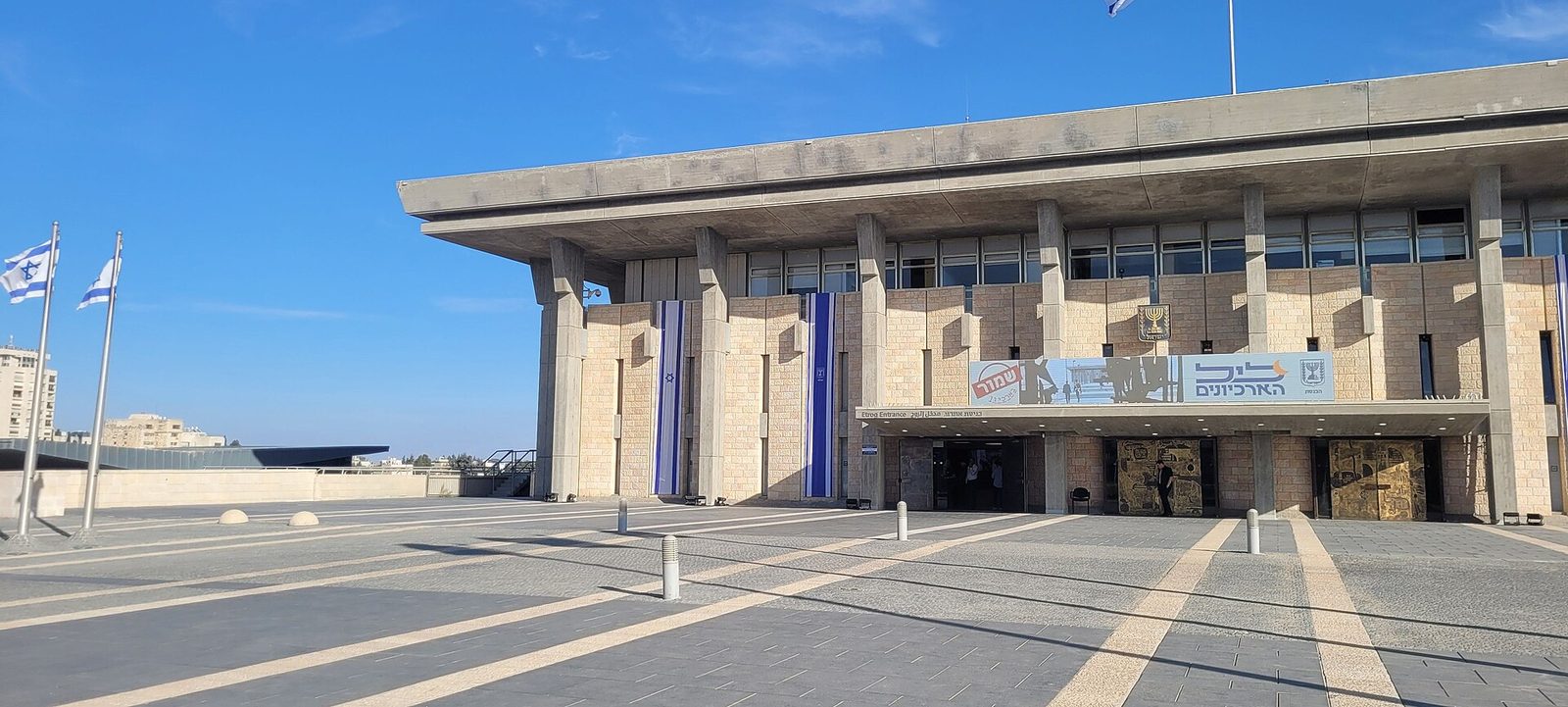
3 Israeli3 Other1 West Asian1 Western MainstreamPhoto: Shlomo Spitzer (שלמה שפיצר), CC BY 2.5 · Cropped for layout
This article is an automated aggregation of coverage from news outlets. Our editorials offer in-depth analysis curated by the NewsCord team.
Knesset preliminarily approved eight-year consecutive term limit for prime ministers. Simultaneously approved a state commission of inquiry into October 7 attacks and subsequent war.
Save coverage image
8 outlets in this story. Read their headlines below.
Outlets did split on Gadi Eisenkot Negotiates Draft Law With Likud, Ultra-Orthodox Parties After Unity Talks Stall →
Term limits and inquiry
The Knesset plenum approved in a preliminary reading a draft amendment to Basic Law: The Government that caps the prime minister’s term at a maximum of eight years, with 65 members voting in favor and 48 opposed. The Knesset also preliminarily approved a draft bill supporting the establishment of an official commission of inquiry into the October 7 failures, with 65 members voting in favor and 50 opposed. The El Periódico account said the commission of inquiry would investigate the period from August 26, 2014, when the Israeli military operation in Gaza ended, to January 26, 2026, when the remains of the last hostage were returned, and it said the commission would issue a provisional report within one year of its constituting.
“The bill passed its preliminary reading with 65 lawmakers voting in favor and 48 voting against.”
The bill returned to a Knesset committee for further deliberations and would still require three additional readings to become law, while the bill’s passage came after the Eisenkot-led bloc secured a parliamentary majority over Prime Minister Benjamin Netanyahu’s bloc following the October 27 election. The Haaretz account said the Knesset gave preliminary approval Wednesday to three bills backed by Gadi Eisenkot’s bloc, including a state commission of inquiry into the October 7 attack and the war that followed, and a cap on a prime minister’s tenure at eight consecutive years.
Netanyahu and coalition fights
Prime Minister Benjamin Netanyahu denounced the Knesset bill barring indicted MKs from serving as prime minister, saying, “This is a tool for political assassination,” and adding, “This is not the way democracies act.”
Netanyahu also argued that rivals were “running to pass a bill that allows a candidate for prime minister to be cancelled,” because the attorney general decides to issue an indictment.
The Times of Israel liveblog said Netanyahu told lawmakers, “It must end, the boycotts must end, now,” while he claimed “There is only one way to deal with them. To unite in order to deal with them.”
Likud denounced the legislation as specifically designed to target Netanyahu, and it quoted Likud lawmaker Almog Cohen saying, “He doesn't represent himself; he represents those who believed in him.”
Yisrael Beytenu lawmaker Oded Forer said, “A prime minister does not own the country, and the prestigious office does not belong to any individual.”

What the bills could change
The term-limit proposal would bar anyone with fewer than two years remaining before reaching the maximum term limit from being appointed prime minister, and it would impose an eight-year cooling-off period outside the government after eight consecutive years. The bill would prohibit a member of Knesset facing a pending indictment for a felony from being assigned the task of forming a government, with an exception if the chairman of the Central Elections Committee determines that, even if allegations are proven, the offense does not carry moral turpitude. The Times of Israel liveblog said the Knesset advanced bills shortly after the Jerusalem District Court stated its position that there is little chance for a conviction in Case 4000, and it said the court recommended dropping most serious case against Netanyahu while reconsidering second case and seeking a deal in the third.
The explanatory notes accompanying the bill argued that prolonged tenure could lead to an excessive concentration of power, and the bill would take effect from the next Knesset. The commission of inquiry bill would still need to be considered in a Knesset committee and then subjected to three more readings before final approval, keeping the legislative process tied to further Knesset steps even after preliminary votes.