Israeli Politicsupdated 23m ago3 min read
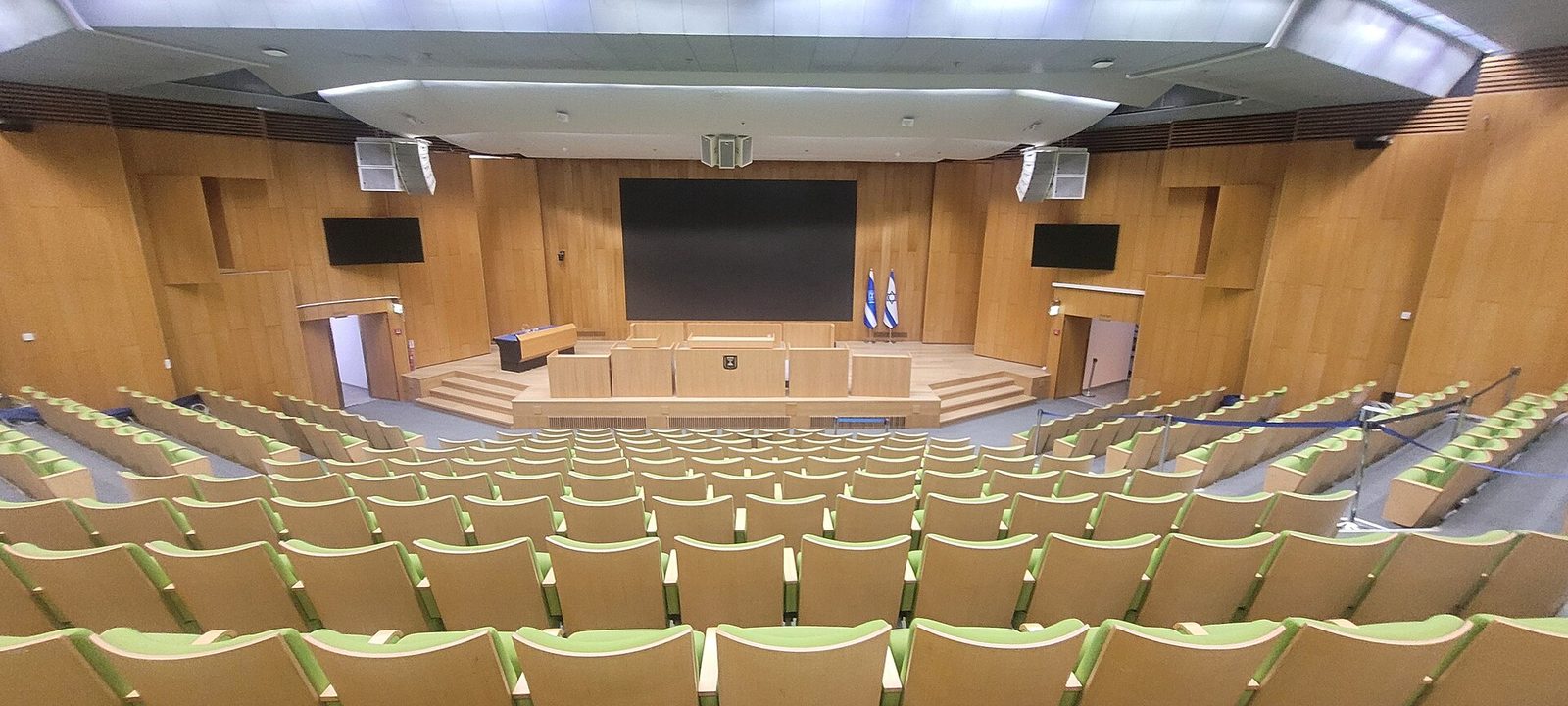
Archive photoKnesset Advances Preliminary Bill for October 7 Inquiry, Netanyahu Rejects Probe
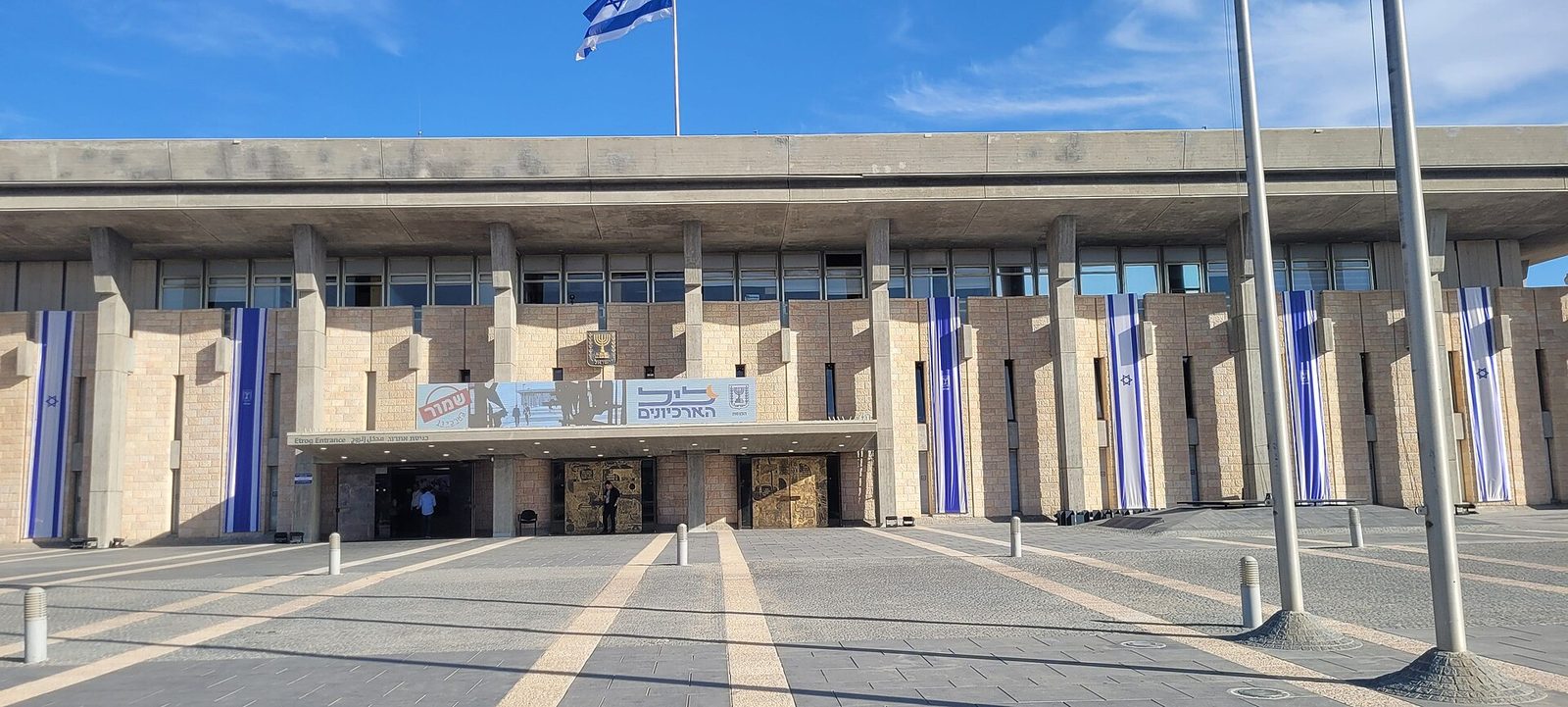
6 West Asian5 Israeli4 Western Mainstream5 Other source typesPhoto: Shlomo Spitzer (שלמה שפיצר), CC BY 2.5 · Cropped for layout
This article is an automated aggregation of coverage from news outlets. Our editorials offer in-depth analysis curated by the NewsCord team.
Knesset preliminarily approves bill to form state inquiry into October 7 attack and war. Bill authored by Orit Farkash-Hacohen; Netanyahu rejects forming the inquiry.
Save coverage image
20 outlets in this story. Read their headlines below.
Outlets did split on Gadi Eisenkot Negotiates Draft Law With Likud, Ultra-Orthodox Parties After Unity Talks Stall →
Knesset backs inquiry bill
The Knesset approved in a preliminary reading a bill to form an official investigative committee into the events of October 7, 2023 and the war that followed in the Gaza Strip, with Prime Minister-designate Benjamin Netanyahu repeatedly rejecting such a probe. The bill received a majority of 65 votes to 50, and the bill provides that the committee will consist of five members and publish a partial report within one year from the date of its establishment. Orit Farkash-Hadad of the Yesh Atid party introduced the bill, and Gadi Eizenkot was tasked with forming the government.
The bill was referred to one of the Knesset committees for discussion and it must pass three additional readings before becoming law. The bill allocates a budget of 7 million shekels, about two million dollars, to form the committee and commence its work.
Netanyahu opposed, Eisenkot pledges
Benjamin Netanyahu opposed the bill for an official investigative committee appointed by the Supreme Court, and he instead called for a political committee from his governing coalition and the opposition, which the latter rejected. Gadi Eisenkot, who was tasked with forming the government, said in a message posted on social networks that “For the bereaved families, for those who survived captivity and for those who did not return to us alive, we will shed full light on this matter and take all necessary measures to prevent a new catastrophe,” Orit Farkash-Hadad submitted a separate bill that the Knesset approved in a preliminary reading, and Euronews said it would set the term of the prime minister and impose limits on his tenure.
Eisenkot also said on X that “Coming now is better than never,” as he pledged to uncover the truth and take all necessary measures to prevent a repetition of the disaster. The Knesset vote came after the bloc led by Gadi Eisenkot succeeded in winning a parliamentary majority from the coalition of Benjamin Netanyahu following the election held on October 27/28 last.
Scope, supervision, and next steps
The bill’s investigation would cover the period from the end of Operation Protective Edge in 2014 until the recovery of the body of the last Israeli hostage in the Gaza Strip, and it would investigate the factors that led to the October 7 events. The bill stipulates that the committee would investigate the attack events and the war’s progress during the period from the end of Operation Protective Edge in 2014 until the recovery of the body of the last Israeli hostage in the Gaza Strip. The bill allocates a budget of 7 million shekels, about two million dollars, and it requires the committee to publish an interim report within one year from the date of its establishment.
The Knesset still had to refer the bill to a committee for discussion and it must pass three additional readings before becoming law, while the bill still requires approval in three readings to become law. The October Council welcomed the vote result and urged lawmakers to complete the legislative process as soon as possible, saying families and the public deserve to know the causes of the attack, identify those responsible, and outline the necessary reforms to ensure the attack is not repeated.