Ukraine Warupdated 20m ago3 min read
Archive photo · 3 October 2016Kremlin Spokesman Dmitry Peskov Says Russia Sees No Added Value in Europe’s Ukraine Talks
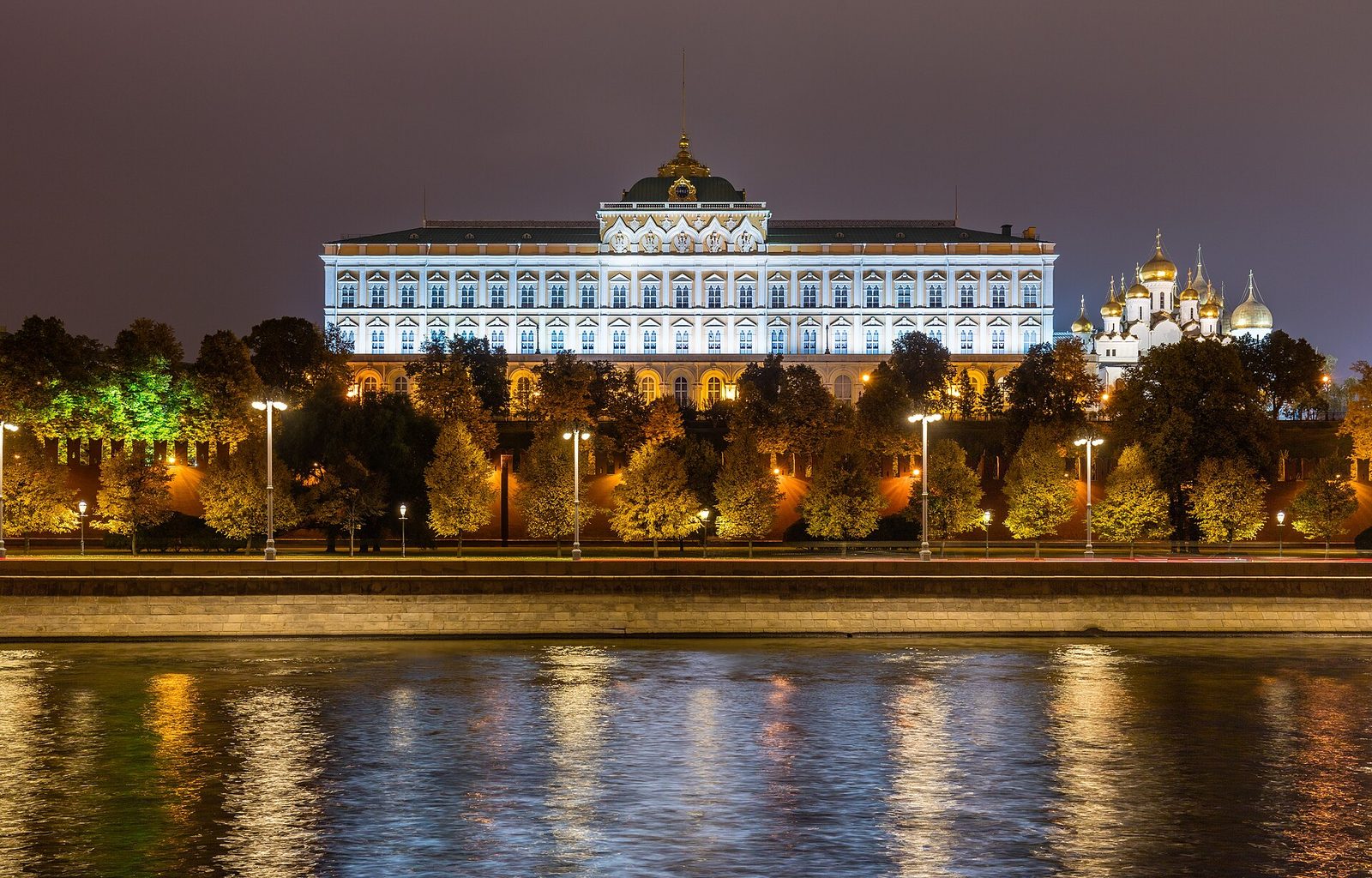
2 Local Western2 West Asian2 Western Mainstream2 Other source typesPhoto: Diego Delso, CC BY-SA 4.0 · Cropped for layout
This article is an automated aggregation of coverage from news outlets. Our editorials offer in-depth analysis curated by the NewsCord team.
Russia says Europe has no added value in Ukraine peace talks. Kremlin backs trilateral format without European participation in next round.
Save coverage image
8 outlets in this story. Read their headlines below.
Outlets did split on Sen. Chris Coons Says Starshield Slowdowns Are Killing Civilians, Calls for Answers →
Kremlin rejects Europe
The Kremlin said it sees no “added value” in Europe’s participation in ongoing Ukraine peace negotiations, with Kremlin spokesman Dmitry Peskov telling a press briefing that Russia does not yet understand what additional contribution Europeans could bring to a peace settlement process.
Peskov said a date for the next round of negotiations has not currently been set, while he added that there is an understanding that the talks must continue.
The Kremlin’s remarks came as Russia and Ukraine held a new round of peace talks mediated by Washington in the UAE capital Abu Dhabi on Nov. 10-11, after which US special envoy Jared Kushner said both countries agreed the next round would include European representatives.
Peskov also said that Putin did not hand over any documents containing proposals for a settlement in Ukraine or regarding security guarantees to either Trump or Xi during the trilateral meeting with Chinese President Xi Jinping and US President Donald Trump in Shenzhen.
Earlier, Putin said in Shenzhen that Russia agreed to a proposal by US envoys to integrate the issue of Ukraine's security into pan-European security, while also proposing that Europeans come to Moscow so their position could be clarified.
Europe format dispute
Peskov told reporters that “the Europeans are insisting that this become a four-party format,” and he said Russia does not yet fully understand what added value European participation could bring. Die Welt framed the same dispute by saying the next round of talks should only involve Russia, the United States, and Ukraine, and it reported that Russia rejects a four-party round with European representatives. Peskov said the Russian leadership last week stated that European representatives should first present their ideas in Moscow, while he described Europe’s involvement so far as indirect through channels to Ukraine and the United States.
The European Commission chief spokesperson Paula Pinho said the European Commission continues to focus on meeting in a multilateral format, and she said she was aware of the invitation to Moscow. Pinho also said that “Once there is a ceasefire, then discussions can take place on Europe’s security architecture,” and she said those discussions need to take place in the appropriate forum with NATO allies and EU member states fully involved.
Ukraine pushes for quadripartite
Volodymyr Zelenskyy said Ukraine is ready to ensure a quadripartite meeting between Ukraine, Europe, the United States, and Russia “as soon as possible,” and he said Ukraine is “literally ready as early as tomorrow.” Zelenskyy stressed that Ukraine, Europe, and Washington must develop a common position with a “clear, prepared, and unanimously validated agenda,” and he said a solid joint preparation would allow a stronger result. Zelenskyy asserted that “The American side has now reached an agreement to involve European representatives in the discussions,” and he said Europe must have its full place at the negotiating table when its own future is at stake.
“We are literally ready as early as tomorrow.”
The Kremlin’s position, as reflected in comments attributed to Peskov, continued to question what Europe could contribute, while Peskov said no date had yet been set for the proposed negotiations. The European Commission said it was aware of Putin’s invitation for European representatives to visit Moscow, but it continued to focus on multilateral talks and said its position on Europe’s security architecture had not changed since last week.