Russiaupdated 17m ago3 min read
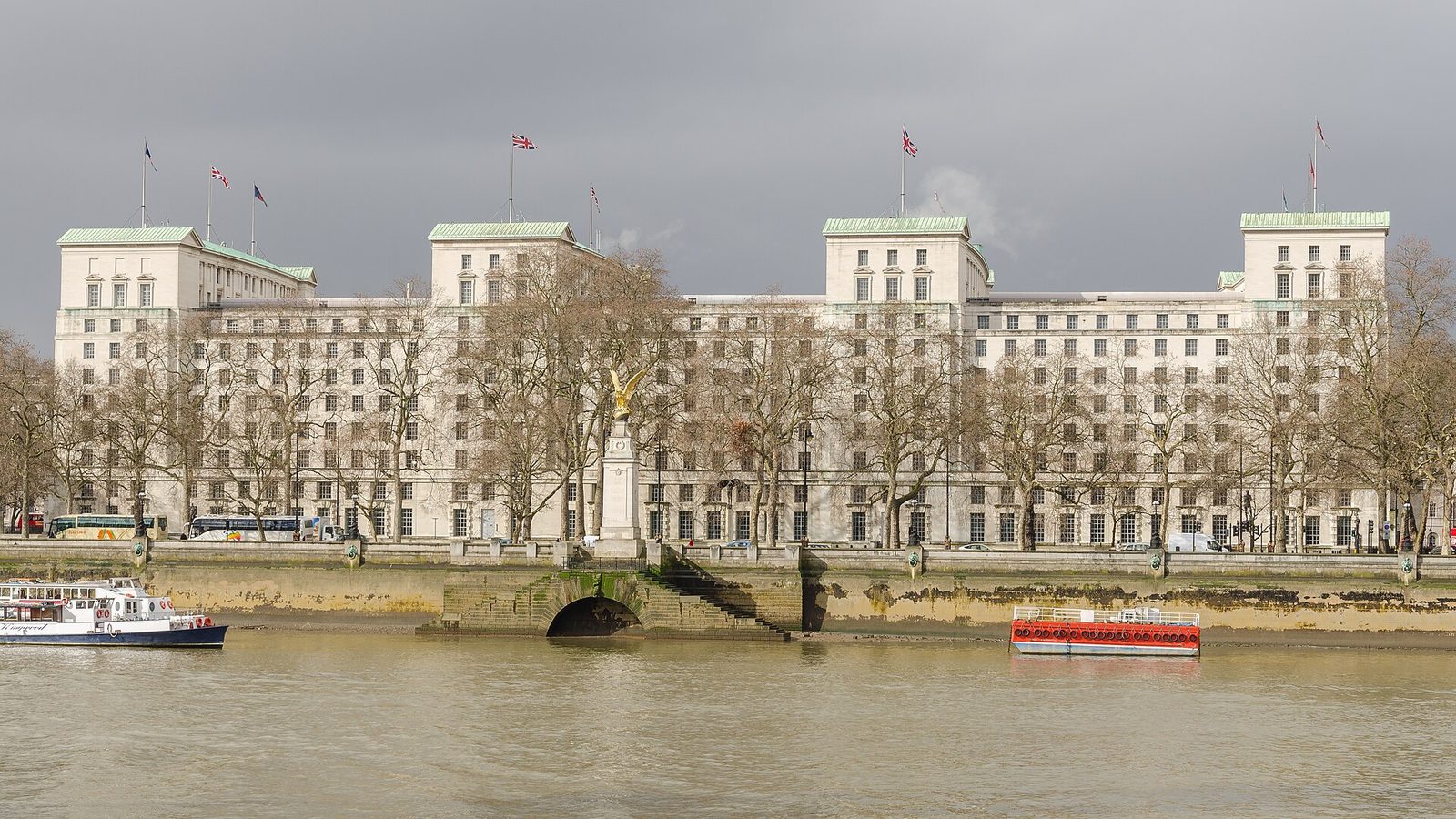
Archive photo · 3 March 2014UK Warns Defence Firms Supporting Ukraine of Increased Russian Sabotage Threat
4 Other2 West Asian2 Western Mainstream2 Other source typesPhoto: ArildV, CC BY-SA 3.0 · Cropped for layout
This article is an automated aggregation of coverage from news outlets. Our editorials offer in-depth analysis curated by the NewsCord team.
Russian sabotage threat targets UK companies supplying Ukraine, say MOD and MI5. Rare public joint alert by MOD and National Protective Security Authority.
Save coverage image
10 outlets in this story. Read their headlines below.
MI5 warns of sabotage
Britain's Ministry of Defence and MI5’s National Protective Security Authority issued a rare public warning to companies providing direct support to Ukraine’s military that they faced an increased sabotage threat from Russia. The warning said, "In recent months Russia has increased attempts to conduct sabotage against European defence-related facilities," and it added that the activity was "typically characterised by the use of proxy actors employing low-sophistication sabotage methodologies, such as arson." The alert warned that if a company "supports military procurement or supplies equipment to Ukraine's armed forces, it could be a target," and it said there was no immediate comment from Russia's embassy in London.
Britain’s defence ministry said it was holding closed-door security briefings with leaders from the critical national infrastructure and defence sectors in Whitehall over the next two days to advise on security. Security Minister Dan Jarvis said, "Recent sabotage attempts right across Europe demonstrate the seriousness of the threats we face," as the government urged companies to improve their security in response to what it described as the risk posed by operatives acting for Russia.
Briefings and recommended steps
The joint alert told companies to "act now to reduce opportunities for hostile actors to identify your organisation or people as targets, conduct hostile reconnaissance, and attack people, sites or operations," and it framed the threat as part of an increased pattern of sabotage against European defence-related facilities. The alert described the sabotage as "typically characterised by the use of proxy actors employing low-sophistication sabotage methodologies, such as arson," and it warned that such activity could be aimed at undermining support for Kyiv. The government said ministers and UK intelligence representatives planned closed-door security briefings with CEOs from the Critical National Infrastructure and defence sectors on Tuesday and Wednesday.
The joint statement said, "Today’s action is aimed at strengthening existing protections in place for people, technology and supply chains," and it said the briefings and the alert would set out actions organisations could take to protect sites, people and operations. The alert recommended steps including reducing digital exposure, improving the detection and reporting of hostile reconnaissance, and identifying and protecting critical assets, while the Ministry of Defence said Louise Sandher-Jones convened defence CEOs on Tuesday morning.

Russia denies, Europe acts
Russia's embassy in the UK responded to the warning by saying Moscow has no plans or intentions to attack Britain and by accusing Kyiv of "acts of sabotage in order to subsequently put the blame on Russia and extort more money from" the West. The warning and related reporting tied the alert to a broader set of European incidents, including Estonia’s plan to close all its border crossing points with Russia following a suspected sabotage attack on an Estonian defence company. The Times of India said the alert warned companies to prepare for sabotage attempts and cited the same pattern of "low-sophistication methods such as arson," while it also described other hostile activities including intimidation of individuals, espionage and information operations.
The Associated Press tally referenced in the Times of India said more than 210 incidents across Europe have been linked to suspected Russian sabotage or other hostile activities since the Russia-Ukraine war began on February 24, 2022. MI5 Director-General Ken McCallum warned last month that Russia is "escalating their attempts at hybrid warfare," and he said, "Russia is using tactics that stop short — though sometimes not much short — of conventional conflict," as Britain’s government urged companies to protect their sites, people and operations.