Full story
Sixth Round in Rome
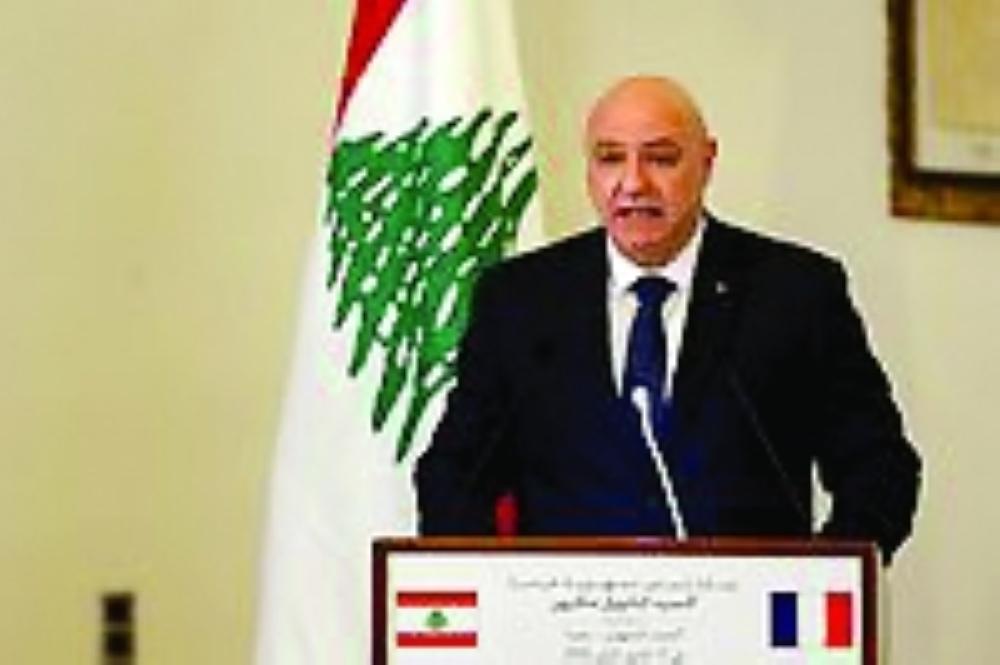
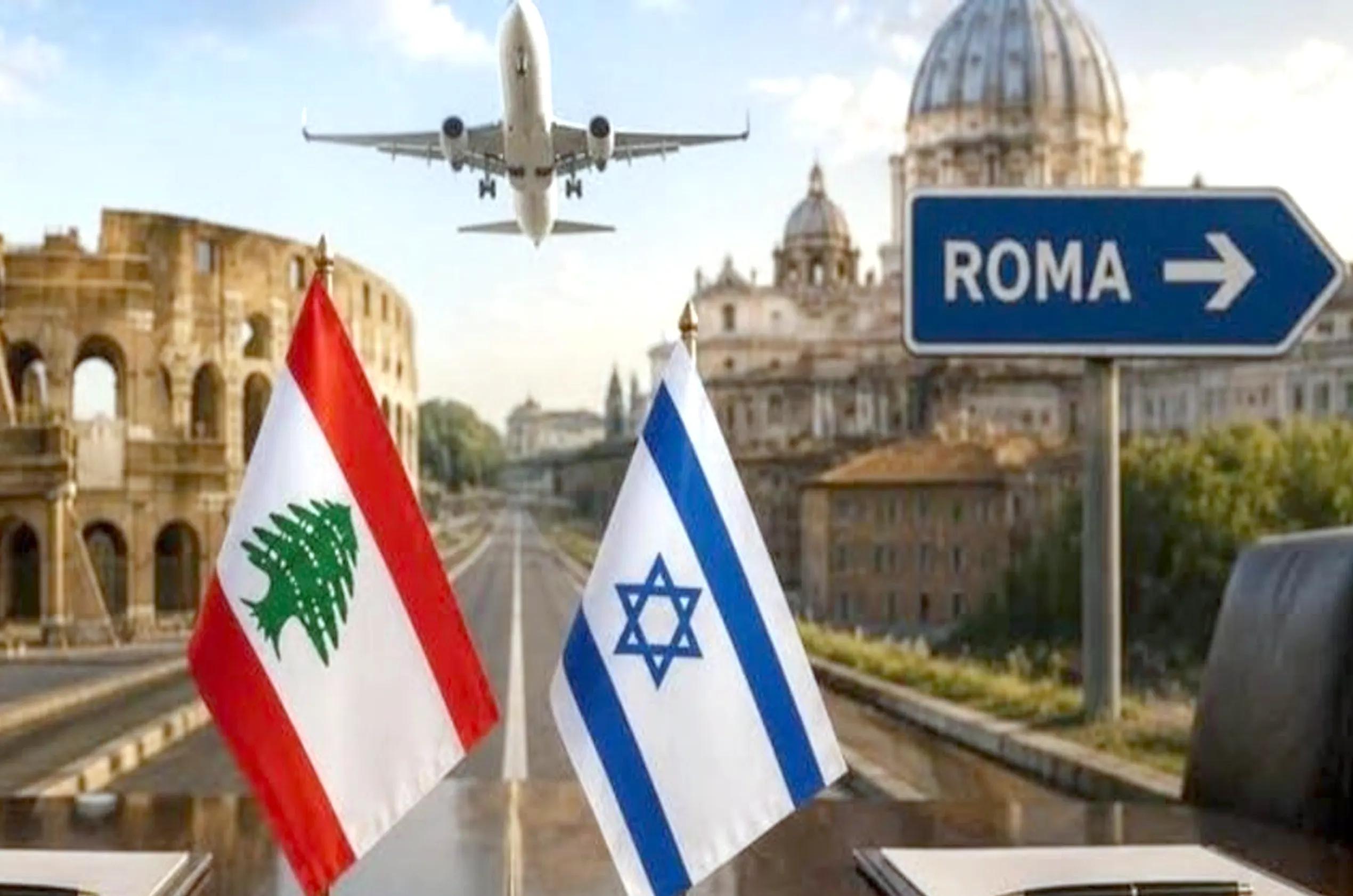
Lebanese and Israeli officials ended another round of US-mediated talks in Rome focused on a plan to establish “pilot zones” in southern Lebanon from which Israeli forces would begin withdrawing.
“Lebanese and Israeli officials have ended another round of US-mediated talks, focusing on a plan to establish “pilot zones” in southern Lebanon from which Israeli forces would begin withdrawing”
The two-day diplomatic talks ended on Wednesday, with a US official calling the meetings “productive and positive” and saying, “We agreed on the structure and guidelines for the pilot zone process, to be finalised and implemented in the coming days,”.

Under a US-brokered June 26 framework deal, Israeli forces are to withdraw from large swaths of southern Lebanon they are occupying in exchange for disarmament of the Iran-backed Hezbollah group, with the deal supposed to begin with two pilot zones where the Israeli military is to turn over control to the Lebanese army.
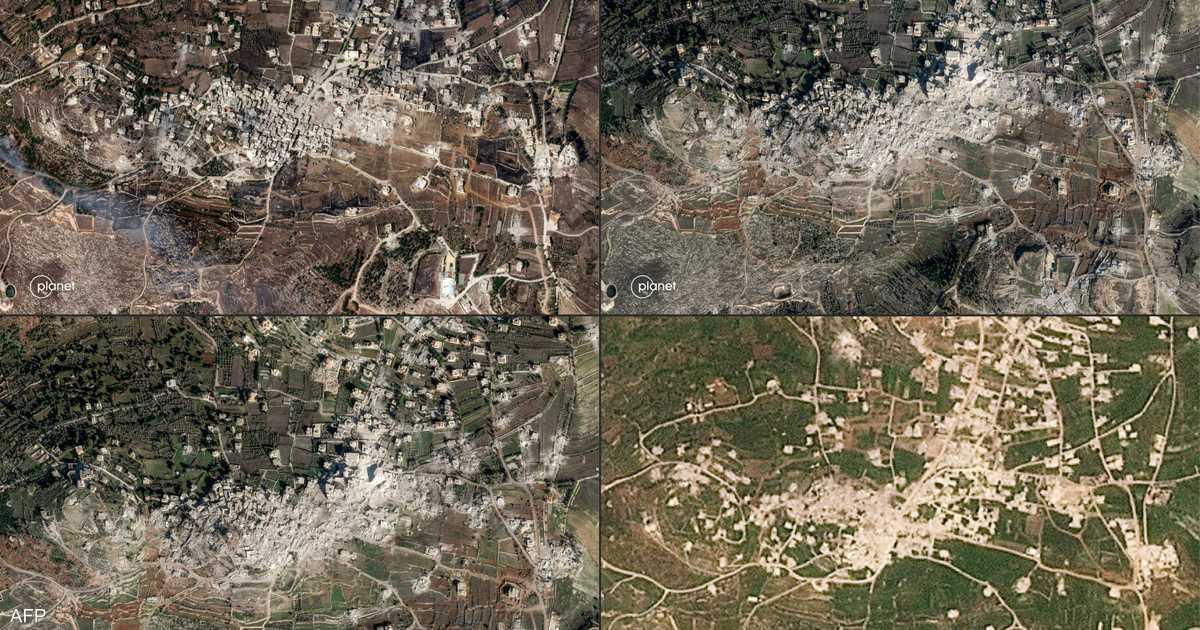
The statement did not specify where the pilot zones would be, but German news agency dpa cited government sources saying the zones being discussed included the towns of Zawtar al-Gharbiyah, Zawtar al-Sharqiyah, al-Ghandouriyah, Burj Qalawiyah, Sarifa and Frun.
Sami Halabi, director of policy at the think tank Badil: The Alternative Policy Institute, said the pilot zone initiative will test Israel’s willingness to withdraw from Lebanon, the US’s leverage over Israel as well as the Lebanese army’s ability to reestablish its presence.
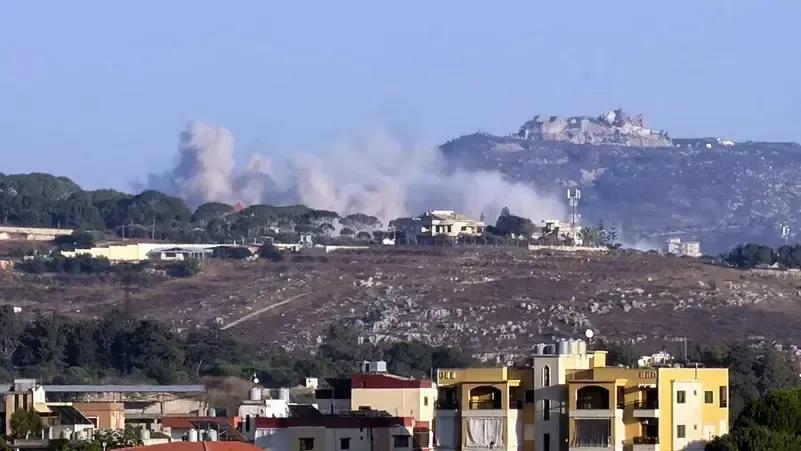
Bombing Near Zawtar
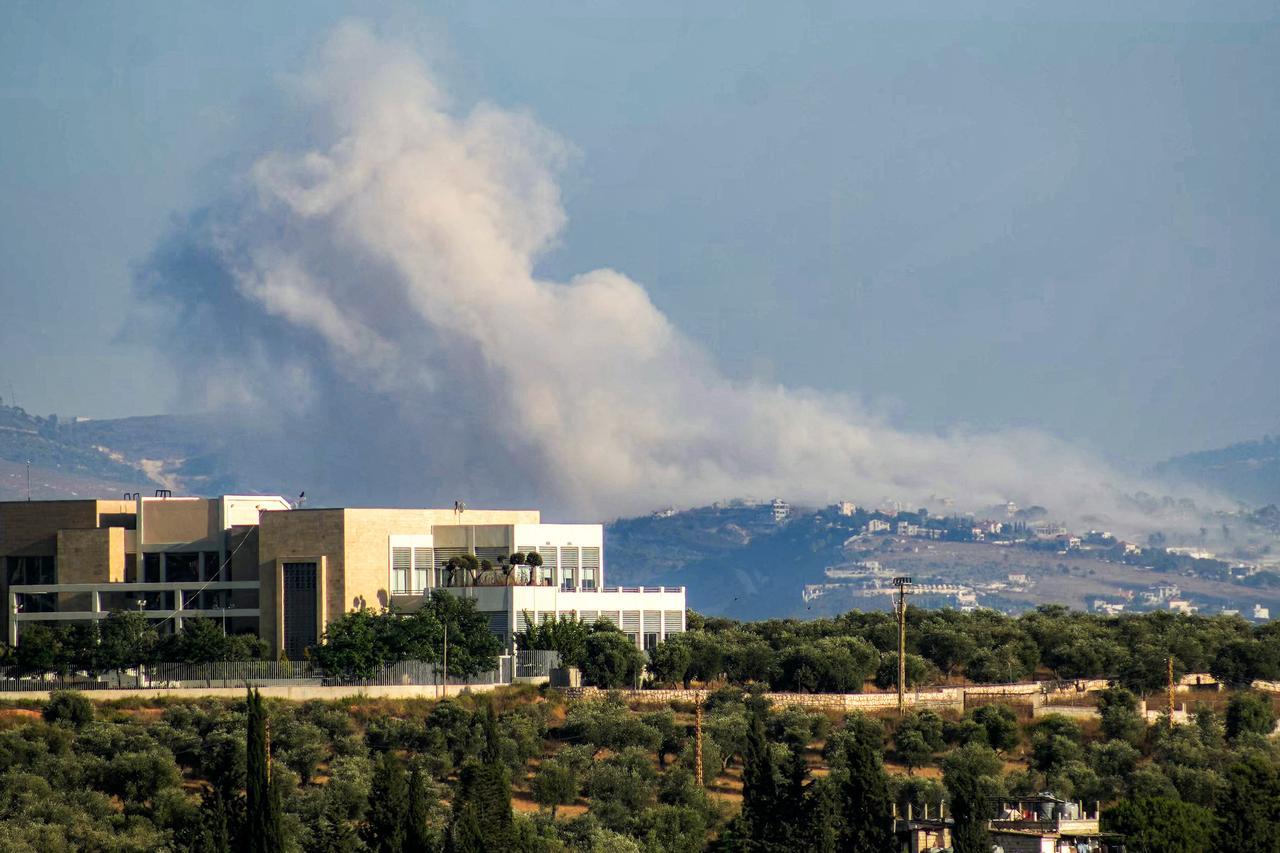
While talks moved toward a technical phase, Al-Manar TV Lebanon said an Israeli bombing hit the vicinity of the town of Zawtar al-Gharbiya in southern Lebanon about 7 hours ago.
Al-Manar also reported that two Merkava tanks belonging to the Israeli enemy advanced into Khallat al-Arja on the outskirts of Haddatha town towards Haris town in southern Lebanon, and it reiterated the bombing in the vicinity of Zawtar al-Gharbiya.
In the same Al Jazeera account of the negotiation track, Halabi said the latest negotiations and the June 26 agreement have led to a reduction in violence, but that progress remains shaky and could “fall apart at any time”.
Halabi framed the moment as a test of sovereignty, saying, “We’re at the point where Lebanon is moving from performing its sovereignty to piloting its sovereignty through these pilot zones,”.
Human Toll and Displacement
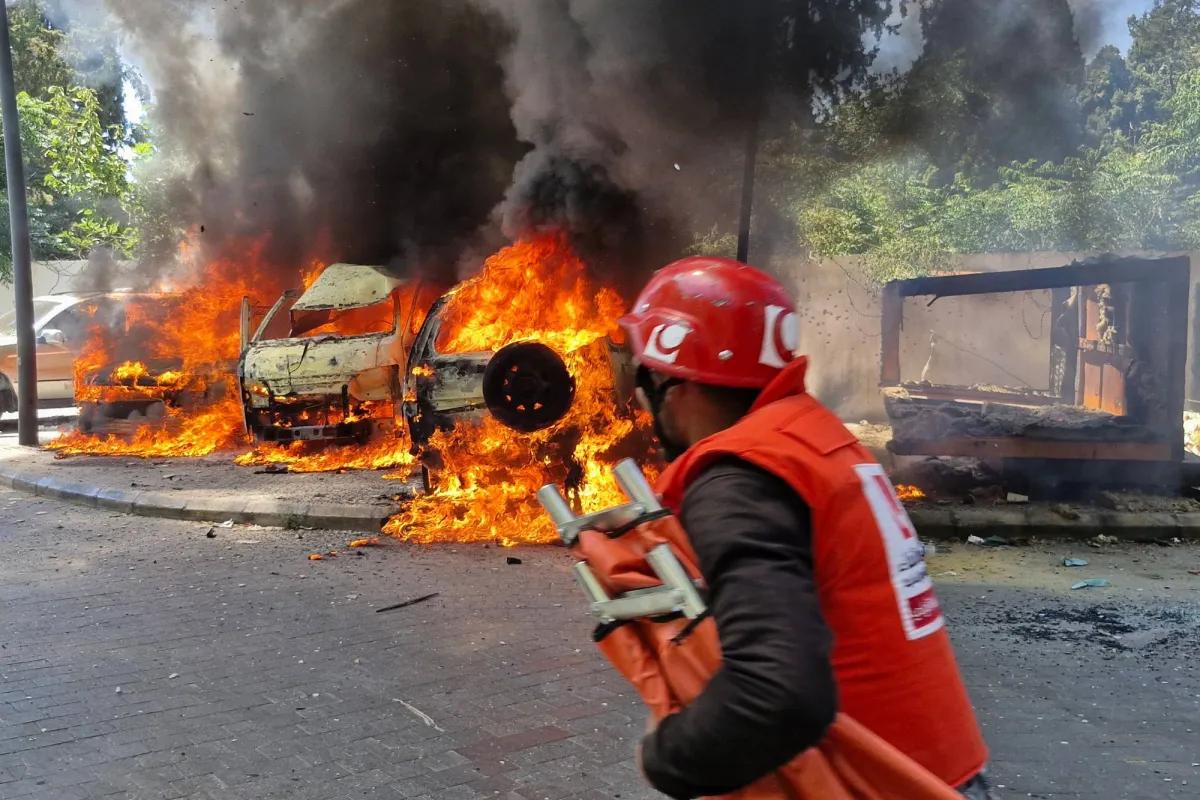
Al Jazeera reported that Lebanon’s Ministry of Public Health said more than 4,000 Lebanese have been killed and more than a million displaced by Israel’s war on Lebanon since March.
The same report said at least 32 Israeli soldiers and four Israeli civilians have been killed by Hezbollah, most of them in southern Lebanon, since Israel began its attacks.
The Nation’s account tied the stakes of any diplomatic process to the scale of destruction, saying that since March, more than 4,200 people have been murdered and over 10,000 wounded, and that roughly a fifth of the Lebanese population has been displaced.
The Nation also asserted that “Sixty-four hospitals and clinics have been hit, and more than 100 health workers have been killed,” while describing an April 8 strike that it said killed 357 people in roughly 10 minutes.
Against that backdrop, Al Jazeera warned that Halabi called the negotiations “very pivotal” and “very sensitive,” adding that “any misstep could lead us to an all-out conflict.”