Asia · 16 September, 2026 · 3 min read
Lebanese Parliament Renews Confidence in Nawaf Salam Government With 68 Votes
Parliament renewed confidence in the government with 68 votes in favor, 12 against, 2 abstentions. Hezbollah MPs walked out of the chamber before the confidence vote.
How to frame parliamentary clashes.
14outlets compared
Same story, two versions
tap a side to read it in full
SyriacPress
“Opposition MPs argued that the government’s success should be measured by its ability to implement decisions”Read the original ↗
Today
“Go and ask who brought the Israelis back into the country. You lied to the people,”Read the original ↗
SyriacPress frames the debate as competing blocs over negotiations and implementation, while Today highlights personal accusations about Israel’s return.
Confidence Vote in Beirut
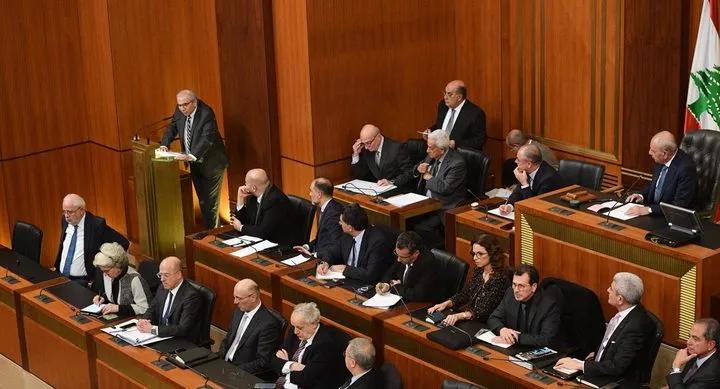
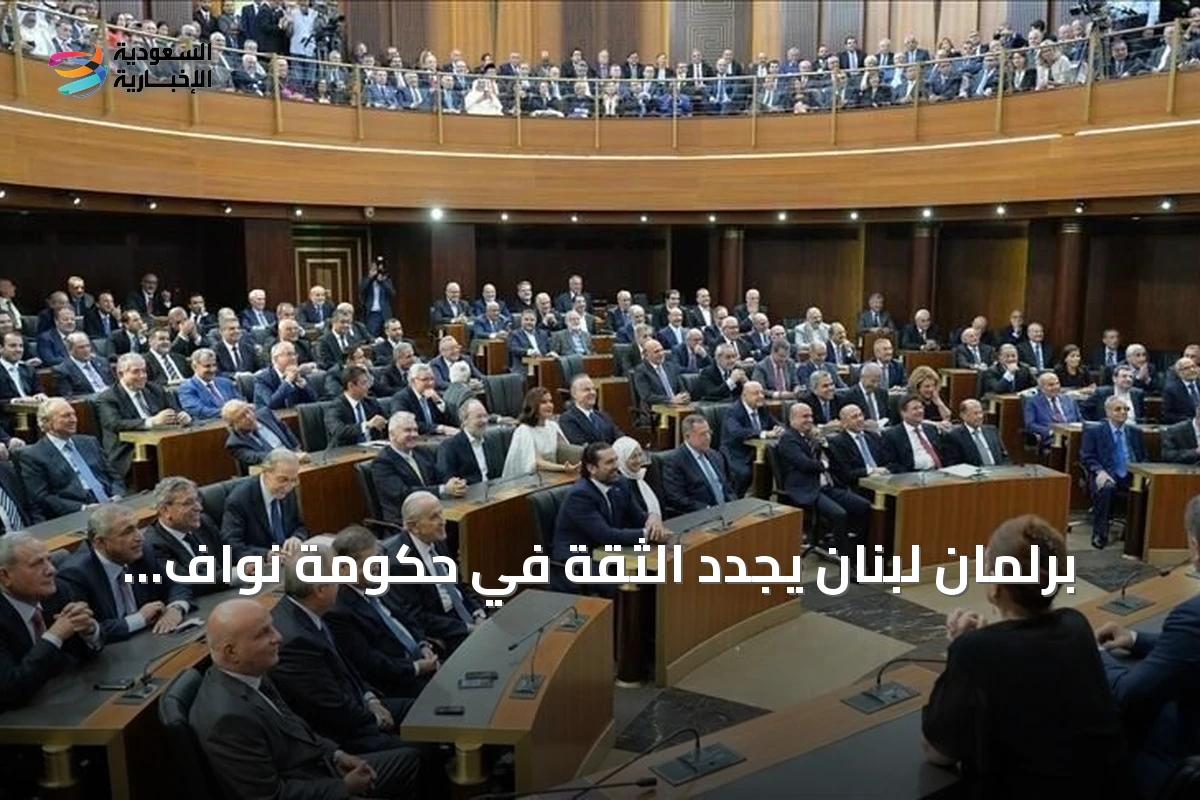
Lebanese Parliament renewed confidence in Prime Minister Nawaf Salam’s government with 68 votes out of 128 seats, while 12 deputies withheld confidence and two abstained, after a session in Beirut dedicated to discussing the government and expressing confidence in it. Shortly before the confidence vote, deputies from the “Hezbollah Is not a Party” bloc (15 deputies) representing Hezbollah left the parliament hall, while deputies from the “Development and Liberation” bloc representing Amal granted the government confidence. Deputy Qattan Qattan from the “Development and Liberation” bloc said during the vote: “Unfortunately, confidence.”
In parallel, Al Jazeera’s program “Behind the News” said the parliamentary confidence was “comfortable (68 votes out of 81 deputies present)” and described it as creating “a protective umbrella to shield the country from falling into a vacuum.” The same Al Jazeera framing tied the vote to negotiations with Israel and maintaining exclusive weapons in the hands of the state, amid “regional deadlock and deepening internal division.”
Heated Exchanges, Split Blocs
During the two days of general policy debate, Hezbollah lawmakers left the session without taking part in the confidence vote, while the Amal Movement voted to renew its confidence in the government. One Amal lawmaker, Kabalan Kabalan, cast his vote saying, “With regret, confidence.” Salam closed the debate by reiterating priorities including financial and economic reform, establishing a state monopoly on weapons, securing an Israeli withdrawal from southern Lebanon and reconstruction, and he acknowledged that his government “had raised many expectations,” but said these “had collided with a difficult reality, made even more difficult by the war.”
SyriacPress described the same confidence vote as coming “despite heated exchanges and criticism between parliamentary blocs over Hezbollah’s weapons and Lebanon’s framework for negotiations with Israel,” and it quoted Michel Moawad criticizing Hezbollah by saying, “Because every day of delay makes the Lebanese people pay the price in poverty and humiliation.” SIn the chamber, SyriacPress also reported that Salam said he wants Lebanon to become “one people in one state,” protected by one army, with the state exercising sovereignty over all its territory.S

What’s at Stake Next
The vote kept the cabinet in office after two days of debates, with the Lebanese Parliament renewing confidence in Salam’s government by 68 votes to 12 and two abstentions, while Hezbollah deputies left the chamber before the vote. Libnanews said the result “allows the Council of Ministers to continue its work without a government crisis triggered by this session,” even as it noted that the divergences revealed during the debates did not disappear. In the same account, Hezbollah’s parliamentary bloc did not add its votes to the 12 deputies who formally voted against the government because the bloc “left the room shortly before confidence in the government was put to the deputies.”
Meanwhile, Al Jazeera’s “Behind the News” analysis said the confidence did not reflect “complete satisfaction with the executive performance” so much as it created a “protective umbrella” to prevent a vacuum, leaving the government “boxed in” between negotiation with Israel and the difficulty of maintaining exclusive weapons in the hands of the state. Anadolu Ajansı reported that the ballot came at the end of a parliamentary session dedicated to discussing the government and expressing confidence in it, with the vote occurring after the Hezbollah bloc’s departure and Amal’s support for the government.