Full story
Trial begins in Duxbury
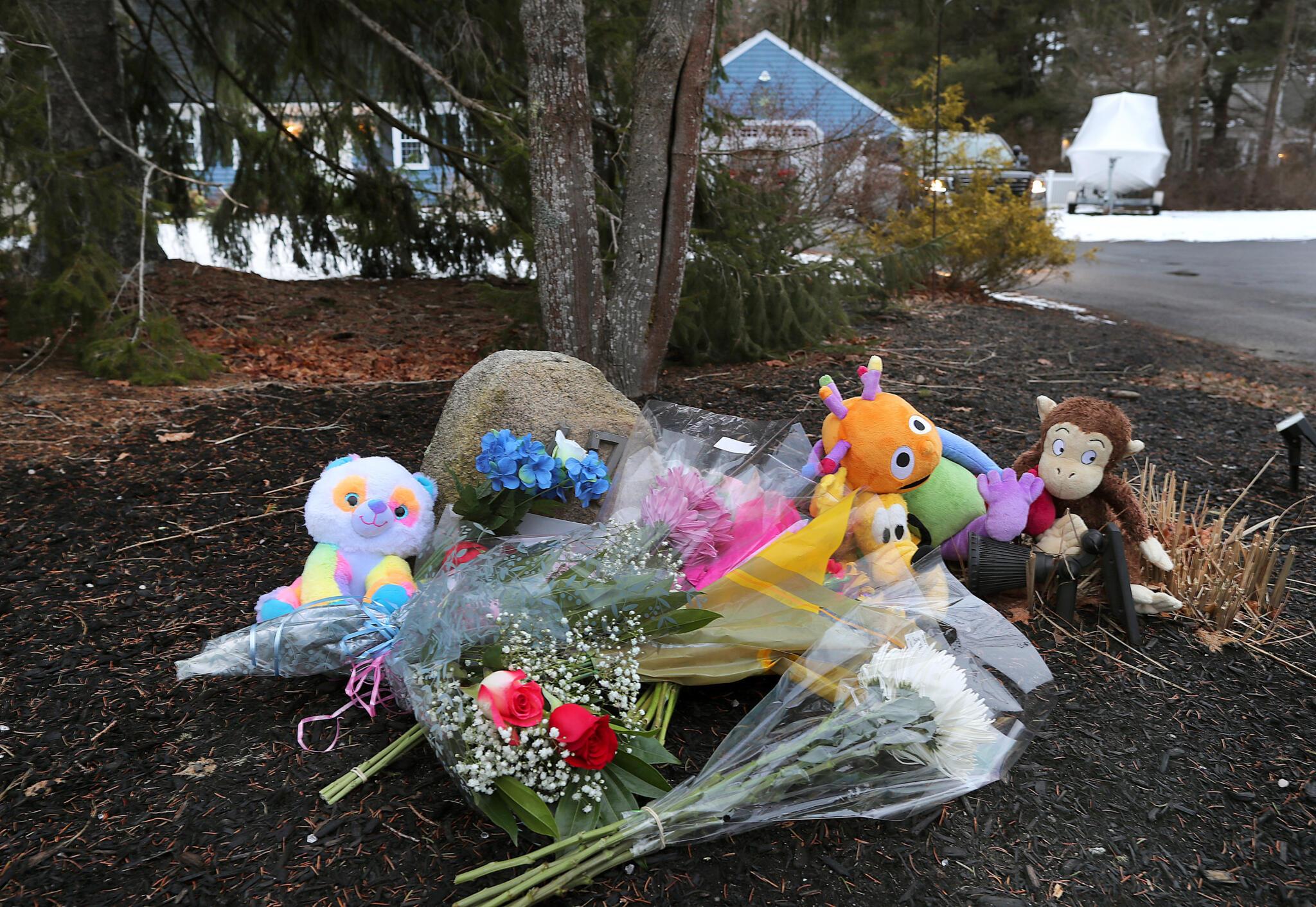
Jury selection began Monday in the trial of Massachusetts mother Lindsay Clancy, accused of strangling her three children to death in 2023 in Duxbury, where she is charged with three murder counts tied to the deaths of Cora, 5, Dawson, 3, and 8-month-old Callan on Jan. 24, 2023.
“The first jurors were selected Monday in the trial of a Massachusetts mother accused of strangling her three young children to death in 2023”
Clancy, a former nurse, pleaded not guilty and is being held at a state hospital after she attempted suicide the night of the killings, jumping from a second-story window and becoming paralyzed, according to local authorities.

Prosecutors said first responders found the children inside the home who were "unconscious with obvious signs of severe trauma," and ABC News reported that the Plymouth County District Attorney Timothy Cruz said when charges were announced in 2023.
Clancy’s defense attorney Kevin Reddington does not contest that she killed the children but plans to argue she lacked criminal responsibility due to psychosis induced by overmedication meant to treat postpartum psychological issues, as the trial is expected to last six to eight weeks, according to WCVB-TV.
Competing mental-health narratives
Both sides are set to present dueling accounts of what drove Clancy’s actions, with prosecutors contending she planned the killings while her defense argues she was in a state of psychosis after being prescribed more than a dozen medications.
People reported that Clancy’s attorney Kevin Reddington acknowledged that Clancy killed the children but plans to argue she was legally insane because she was suffering from postpartum psychosis at the time, and he told the AP, "This whole case is an extreme tragedy."
In contrast, prosecutors argued that Clancy intentionally planned the killings and was not acting under the effects of a psychotic break, according to the AP as cited by People.
WBUR quoted a defense attorney not part of the trial, Ryan Sullivan, saying, "It's a hard pill to swallow that the defense is gonna get up there and say, 'Lindsay Clancy did everything that she's accused of, find her not guilty,'" as the trial is expected to center on Clancy’s mental health treatment for postpartum depression.
What jurors will decide
Jurors in Plymouth County Superior Court are expected to be seated in a process that could take several days, with CBS News reporting that Judge William Sullivan plans to seat 18 people on the jury and that a pool of about 130 potential jurors was brought in Monday.
“The voice in Lindsay Clancy’s head demanded action, her lawyers say”
Clancy’s defense is expected to focus on postpartum depression and postpartum psychosis, and WBUR said Clancy’s attorney plans to seek what is known as the insanity defense, arguing she should not be held criminally responsible for her actions on the January evening in 2023.
The court has also approved prosecutors’ request to allow jurors to visit the Duxbury home where the children were killed, and CBS News reported that Clancy has been receiving treatment at Tewksbury Hospital the last three years and rides with nurses for the 64-mile trip.
As the trial proceeds, the stakes hinge on whether jurors accept that Clancy’s actions were compelled by a hallucinatory voice rather than a conscious decision, because NBC News said her lawyers and her husband say she was not responsible for her actions while prosecutors say the killings were intentional and well planned, not the work of someone who had lost control.