Ukraine War16 September, 20262 min read
Dmitry Medvedev Says US Sanctions Require Russia’s Direct Military Deterrence
This article is an automated aggregation of coverage from news outlets. Our editorials offer in-depth analysis curated by the NewsCord team.
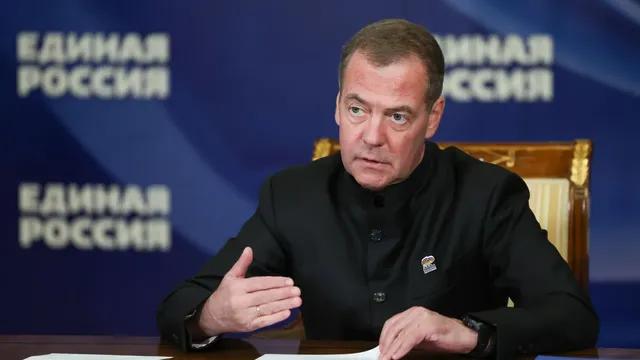
Medvedev says U.S. sanctions require Russia to use direct military deterrence. They only understand brute force; direct military deterrence should be Russia's response.
8 outlets told this the same way.
Medvedev backs deterrence
Russia’s response to new US sanctions should include “military deterrence,” former Russian President Dmitry Medvedev said on Saturday, without elaborating on what measures Moscow should consider. Medvedev, a close ally of President Vladimir Putin and deputy chairman of Russia’s Security Council, wrote on Telegram that “Even across the ocean, they understand only the language of direct military deterrence.” The sanctions were signed into law by US President Donald Trump on Friday, after Congress approved the measures following months of delay, and the legislation is named after the late US Senator Lindsey Graham.
The law targets Russia’s energy and defense sectors, as well as Putin and other senior officials, and it also extends existing sanctions on Iran. The remarks came as Russian officials, including Putin, have described Ukraine and its supporters as “terrorists,” a characterization Kyiv dismisses as baseless wartime propaganda.
US law named for Graham
Multiple outlets tied Medvedev’s comments to the same US legislation, describing it as the Lindsey Graham sanctions bill and emphasizing that it is meant to pressure Russia over its war in Ukraine. DIE WELT said the package includes visa bans for Kremlin chief Vladimir Putin and a number of Russian military officials, and that their assets in the United States will also be frozen. Caliber.Az reported that the US law tightens sanctions against Russia and expands measures after Trump signed it into law, while also describing the legislation as authorizing tariffs of up to 100% on countries buying Russian oil and gas.
The Times of India added that the White House said the law “authorizes and expands statutory sanctions, tariffs, and prohibitions on Russia and extends existing sanctions on Iran,” and it said the US House passed the measure 262-159 on Wednesday after Senate approval by 86-11 in August. Ukrainian President Volodymyr Zelenskyy welcomed the signing and thanked Trump, senators and members of the House of Representatives for supporting the bill, according to Caliber.Az.
Nuclear rhetoric and escalation
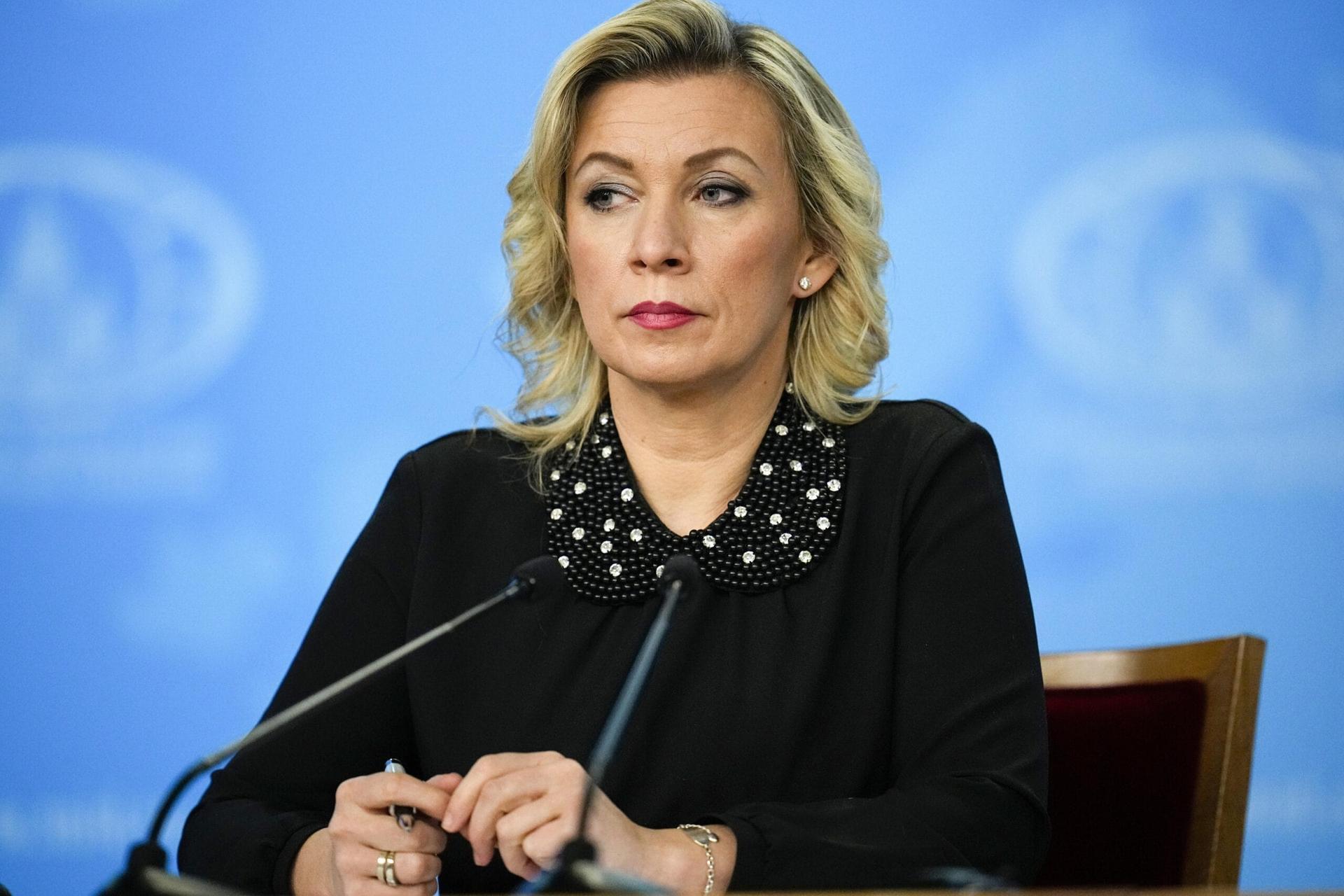
Beyond sanctions, Russian officials also linked the broader security environment to nuclear posture, with Maria Zakharova accusing European countries of moving nuclear weapons closer to Russia’s borders under the pretext of what she called the “Russian threat.” Zakharova said during a briefing in Yekaterinburg that reducing the distance between weapons and related facilities and the Russian border would broaden the range of means that Russian forces could use to destroy those facilities in the event of a conflict. She warned that moving nuclear weapons or deterrence arrangements to areas closer to Russia could have additional military and security repercussions, while saying Moscow is monitoring developments related to European nuclear policies.
In the sanctions debate, Medvedev framed the US response as a matter of “direct military deterrence,” writing that “they only hear the language of direct military deterrence,” and that this is how Russia should respond to “Russophobic abominations such as the Graham Act.” The sources also placed the rhetoric against a timeline of Russia’s full-scale invasion of Ukraine in 2022 and noted that Medvedev’s comments followed Trump’s Friday signing of the Lindsey Graham-named sanctions law.