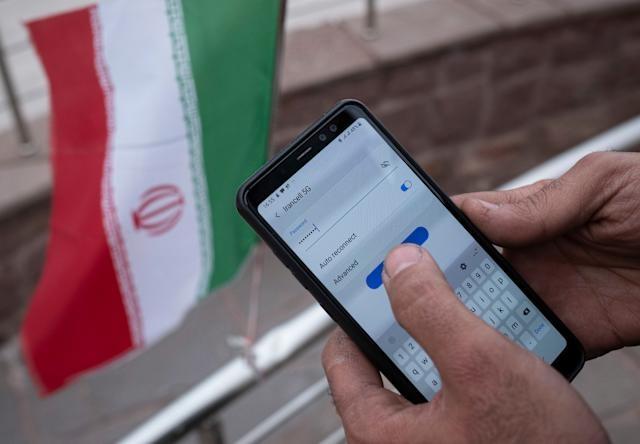
Masoud Pezeshkian Orders Reopening of International Internet Access After Near-90-Day Blackout
Key Takeaways
- President Masoud Pezeshkian ordered reopening of Iran's international internet after nearly 90 days.
- Most Iranians were unable to access the global web for about 87 days.
- State media reported the order to reopen; implementation by the Communications Ministry.
Internet Reopens in Iran
Iran’s President Masoud Pezeshkian ordered the reopening of international internet access after a near-90-day blackout, with Iranian state media citing the head of public relations at Iran’s Communications Ministry.
The Times of Israel said most Iranians have been unable to access the World Wide Web for 87 days, with only a few citizens able to use expensive and advanced VPNs that circumvent the restrictions.
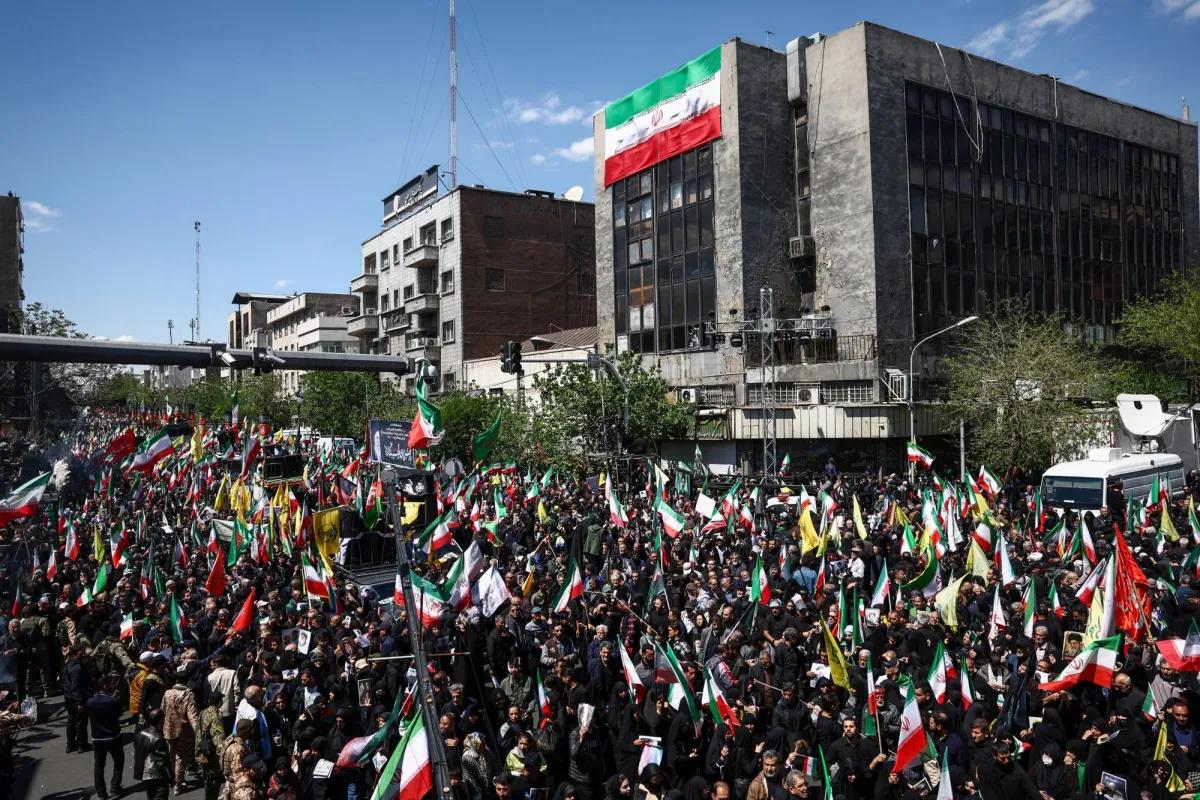
DW reported that Pezeshkian reportedly ordered the reopening of international internet access in the country, while the blackout had left only a chosen group close to the regime with full access.
DW also tied the disruption to the wider conflict, saying internet access in Iran had been virtually blacked out for 87 days as the war context unfolded.
How the Decision Moves
The Times of Israel reported that the mechanism for how and when Iran would reconnect to the global web following the decision was unknown.
The Jerusalem Post similarly said the mechanism for how and when Iran would reconnect to the global web following the decision was unknown, while citing the head of public relations at Iran’s Communications Ministry.
South China Morning Post added that “The decree aimed at restoring internet access to its pre-January state was communicated to the Ministry of Communications by the president,” citing Tasnim and Fars.
In parallel, Iran’s president’s order was described by Iran International as coming after the fourth meeting of the "Special Working Group on Cyber Space Management" ended with 9 members voting in favor of reconnecting Iran to the global Internet and 3 opposing.
Internal Dispute and Stakes
Iran International reported that Fars News Agency, affiliated with the Islamic Revolutionary Guard Corps, questioned the government’s authority to issue the order, arguing that the decision to restrict Internet access was issued by the Supreme National Security Council.
The same report said Faz’s report cited the head of the Iranian Broadcasting and Television Organization, Beiman Jabili, and the secretary of the Supreme Council for Cyberspace, Mohammad Amin Aghamiri, as among those who strongly opposed restoring global Internet.
South China Morning Post said authorities initially imposed an internet blackout from January 8 in response to nationwide anti-government protests, with connections gradually getting back to normal in February, before a new blackout was initiated following the start of US and Israeli strikes against Iran on February 28.
The Times of Israel said the internet disruptions hit a wide range of sectors beyond the digital economy and weighed on the labor market, threatening incomes and jobs for many workers, particularly freelancers and small businesses reliant on online activity.
More on Iran
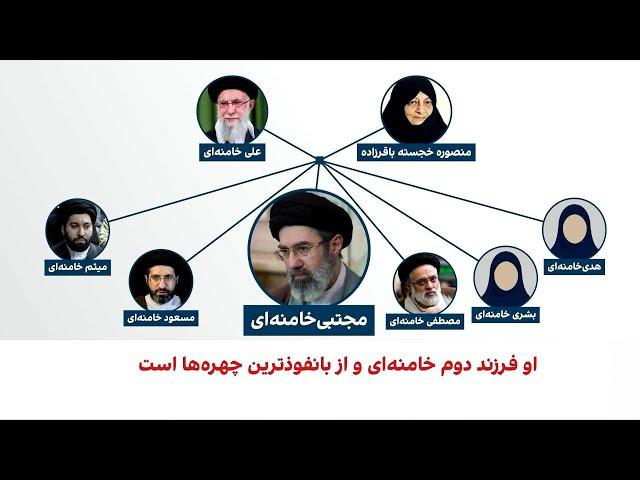
Mojtaba Khamenei Vows Revenge After Ali Khamenei’s Feb. 28 Killing
15 sources compared

Abbas Araghchi Meets Oman’s Badr Al-Busaidi In Muscat To Discuss Strait Of Hormuz Safe Passage
20 sources compared
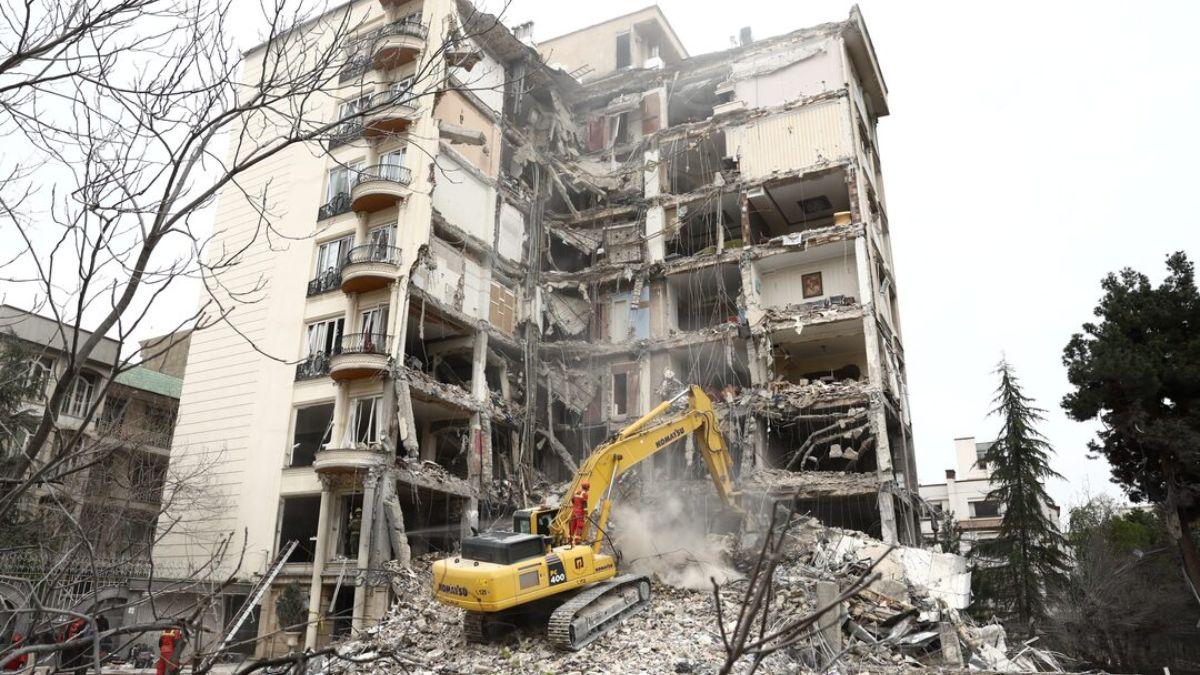
Donald Trump Threatens Iran With 1,000 Missiles If It Tries To Assassinate Him
33 sources compared

Iran Says Talks With U.S. Impossible Until Washington Retreats, Vows Revenge for Ali Khamenei Death
17 sources compared