Iran06 October, 20262 min read
Mohammad Eslami Says Iran’s Nuclear Industry Remains Fully Operational Despite Foreign Pressures
This article is an automated aggregation of coverage from news outlets. Our editorials offer in-depth analysis curated by the NewsCord team.
Iran's nuclear industry remains fully operational and resilient despite ongoing sanctions and external pressure. Nuclear safety authority maintains robust oversight and an active safety system across facilities.
7 outlets told this the same way.
Outlets did split on Iran Reviews US Negotiation Proposals As Pakistan And Qatar Mediate Strait Of Hormuz Dispute →
i24NEWS was read line by line by the Watchdog: 4.7. See the score →
Iran says program steady
Mohammad Eslami, Head of the Atomic Energy Organization of Iran (AEOI), said Iran’s nuclear industry remains fully operational and resilient despite foreign pressures, sanctions, and targeted hostile actions.
Eslami said the nuclear safety authority’s safety system actively monitors more than 6,600 licensed facilities across the nation while directly supervising approximately 85,000 radiation workers nationwide.
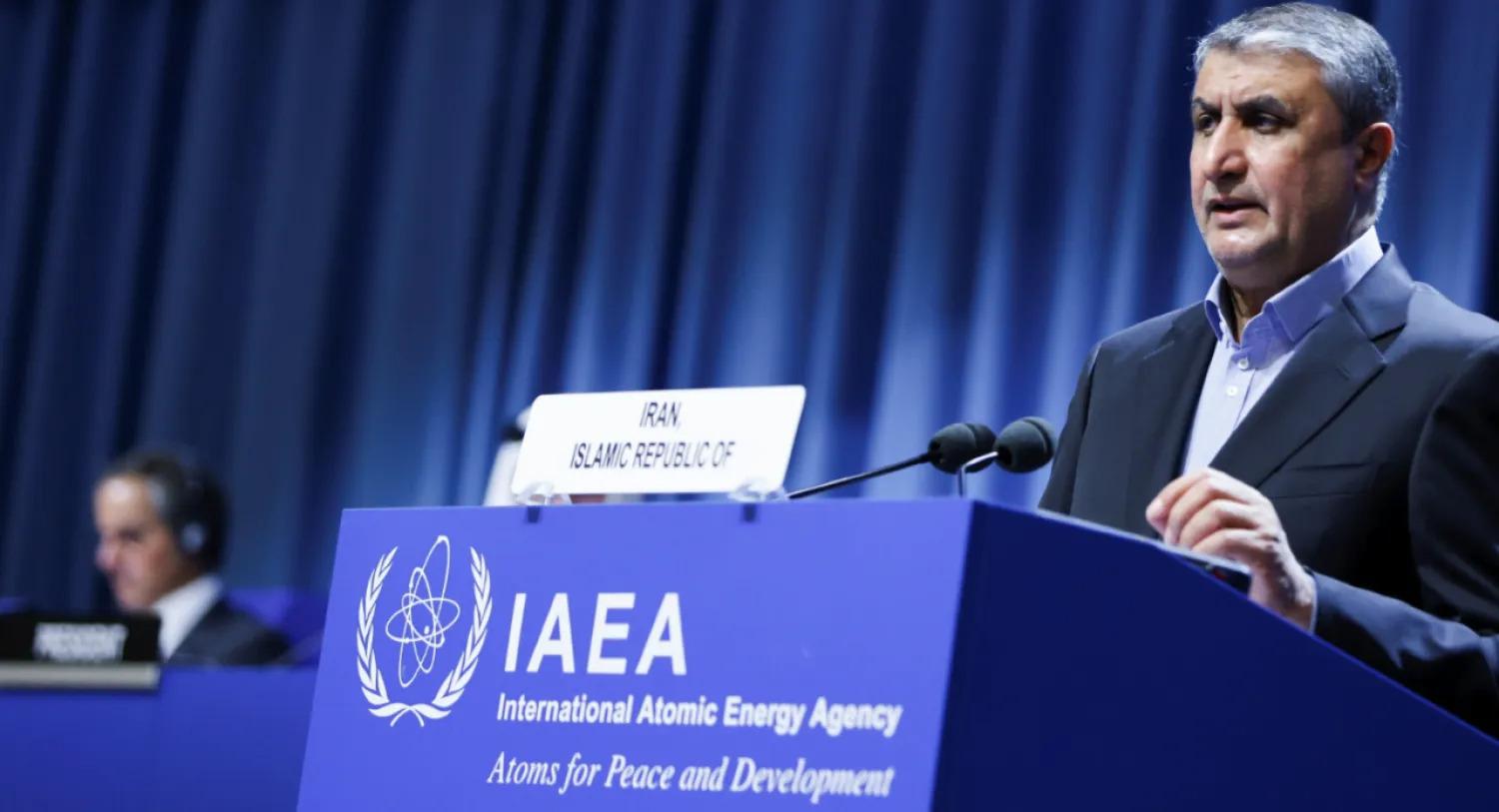
Eslami delivered the remarks during the inauguration of Iran’s first specialized academic center dedicated to the diagnosis and treatment of pediatric cancer.
Dr. Mohammad Reza Kardan, Vice President of the AEOI and Head of the Iranian National Nuclear Safety System Center, described Iran’s defense and response strategies during his address at the 20th International Nuclear Forum in Russia.
The forum in Obninsk was organized by Russia’s state atomic energy corporation, Rosatom, under the theme “Nuclear Technology Safety: Preparedness and Emergency Response.”
Satellite activity after March strike
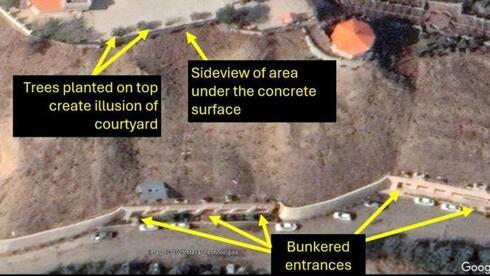
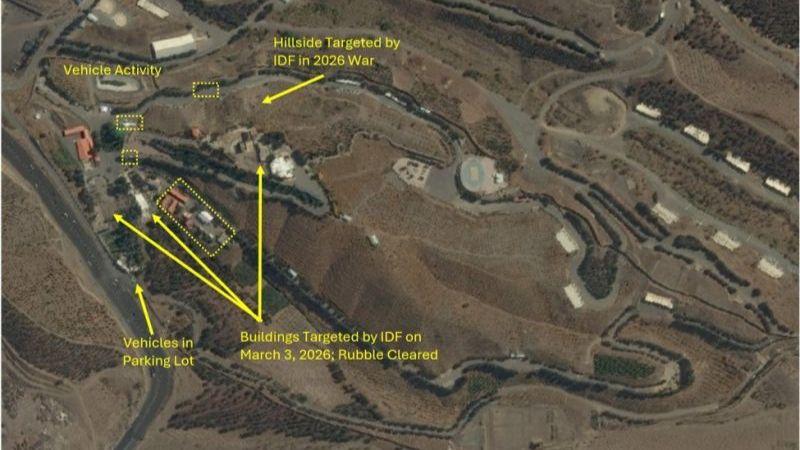
Satellite imagery reviewed by the Institute for Science and International Security showed renewed activity at Minzadayi, an Iranian nuclear weapons development compound northeast of Tehran that Israel revealed during the 2026 war. High-resolution VANTOR Technologies images from September and October 2026 showed a return to regular vehicle activity around the site after an extensive cleanup operation that included clearing rubble and debris and repairing damage on the hillside. One area attacked in March 2026 showed ongoing earth moving activity on a surface made to look like a courtyard where multiple craters were visible after the attacks.
The activity “may be indicative of an effort by Iran to reestablish a nuclear weapons development capability.” The compound was attacked by Israel on March 3rd, 2026, destroying several buildings and likely underground structures.
Rebuilding claims and talks
Satellite images from recent months indicated a significant resumption of activity at the Minzadei complex northeast of Tehran that the Institute for Science and International Security says was used to develop nuclear weapons. The site was attacked on March 3, destroying several buildings and damaging underground infrastructure, and it said Iran carried out an extensive cleanup operation removing rubble and repairing damage to the hillside. The Times of Israel said the Institute for Science and International Security reported “significant renewed activity” at the underground Minzadehei nuclear facility near Tehran after Israel struck the site in March.
Ibrahim Al-Hashmi said he “can confirm that the talks are continuing and the exchange of messages between different parties is continuing via Qatar and its regional partners.” US President Donald Trump told reporters that the biggest problem for him is that nobody knows who is running Iran, adding, “the biggest problem I have is nobody knows who the hell is running the country.”