Full story
Rezaei takes top post
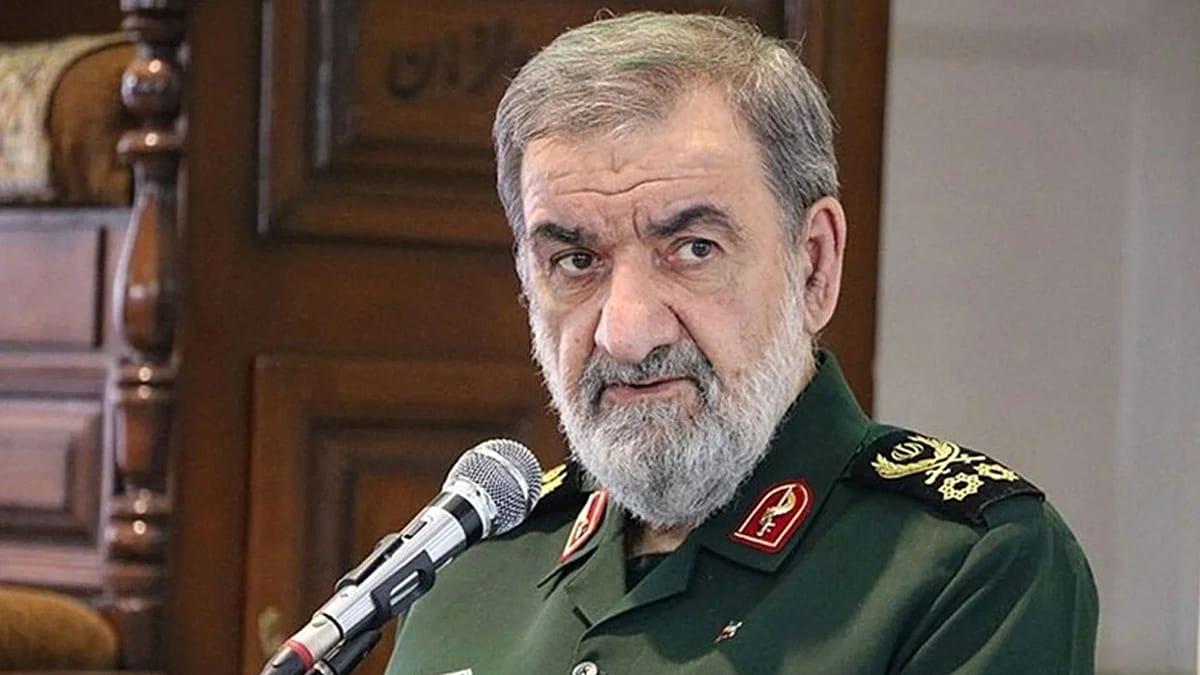
Mohsen Rezaei was appointed on Sunday as Supreme Leader Mojtaba Khamenei’s representative on Iran’s Supreme National Security Council before being named secretary of the powerful security body.
““In view of your valuable experience, I hereby appoint you ... as my representative on the Supreme National Security Council,””
Khamenei’s decree described Rezaei as a veteran of the 1980–1988 Iran-Iraq War and said, “In view of your valuable experience, I hereby appoint you ... as my representative on the Supreme National Security Council,” while thanking Mohammad Bagher Zolghadr for “tireless efforts day and night.”
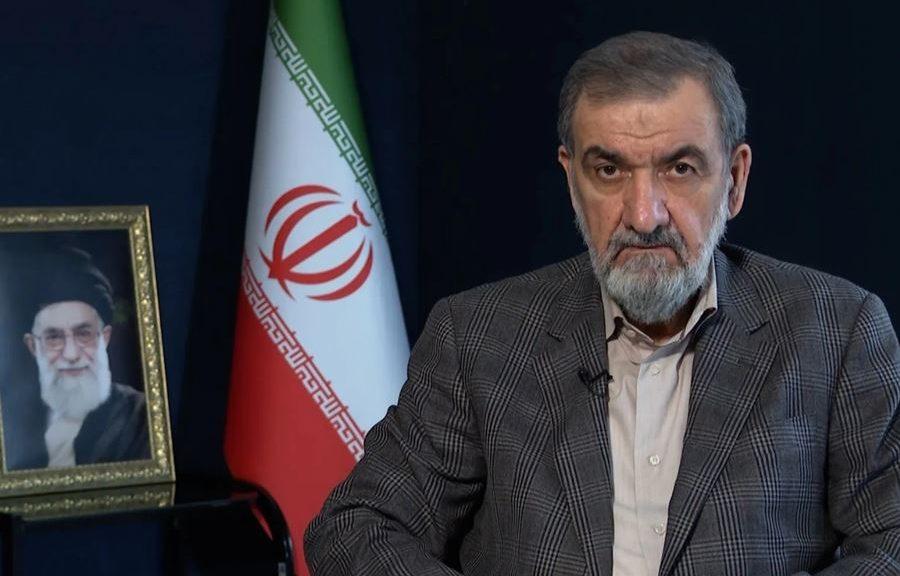
The Iranian presidency spokesman Mehdi Tabatabaei said President Masoud Pezeshkian appointed Rezaei as SNSC secretary after Zolghadr’s resignation, writing that “Mohsen Rezaei has been appointed secretary of the Supreme National Security Council by decree of President Masoud Pezeshkian.”
The SNSC is described as Iran’s top national security body coordinating security and foreign policy, with the president chairing the council and the Supreme Leader appointing two representatives to it.
Zolghadr had taken over as SNSC secretary in March, a week after Ali Larijani was killed in US-Israeli strikes, and the appointment followed days of reports about Zolghadr’s position.
Hard-line warnings and analysis
Rezaei’s appointment was framed by Israeli outlets as a hard-line shift, with Israel National News describing him as a former Revolutionary Guards commander-in-chief and noting his hawkish stance toward Washington.
The same report said Rezaei issued a warning last month that continued US strikes would push Iran into an “offensive and destructive” posture and declared that the approach of “both war and negotiation” is no longer viable.

Kurdistan24 presented the change as a replacement of Mohammad Bagher Zolghadr by quoting a decree that said, “Muhsen Rezaei, due to his valuable experience, as one of the pioneers of the glorious eight-year era of the Sacred Defense, I hereby appoint him as my representative to the Supreme National Security Council of Iran,”.
In the New York Times framing, the reshuffle suggested Iran’s “old guard is consolidating power,” with Rezaei elevated to secretary of the Supreme National Security Council while Zolghadr resigned and was set to take a new role.
Ynetnews added that Rezaei is “not considered a moderate” and quoted Danny Citrinowicz saying, “The Supreme National Security Council of Iran has lost some of its luster,” as he assessed the appointment’s implications.
Strait of Hormuz stakes
The leadership change arrives as Iran remains engaged in discussions over the re-opening of the Strait of Hormuz, with The Times of India saying the appointment came as Tehran continued to adjust its security establishment after Zolghadr resigned.
“but stressed that it would not reopen until the US met Tehran's demands.”
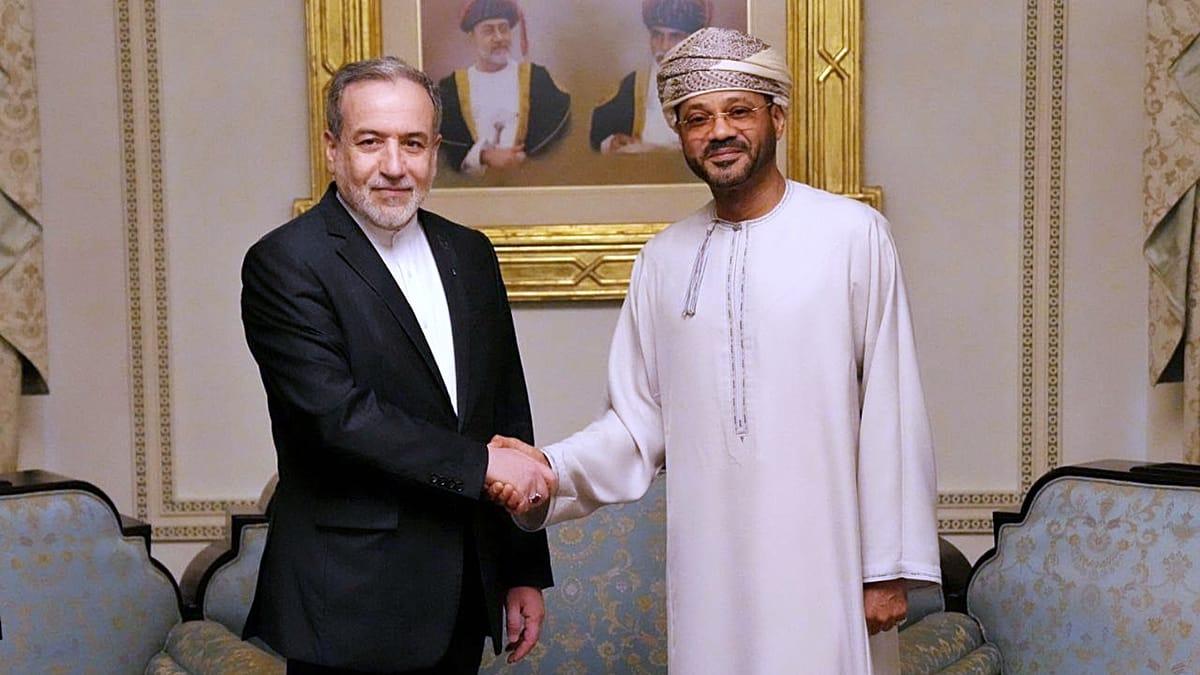
The National | Western Alternative reported that Foreign Minister Abbas Araghchi said Iran was close to an agreement with Oman on managing the waterway but stressed that it would not reopen until the US met Tehran’s demands.
Rezaei’s prior statements tied the post to the Strait of Hormuz, with Israel National News saying he asserted that maintaining authority over the Strait of Hormuz was “more important than dozens of atomic bombs”.
The New York Times also linked the council’s role to policy on the ongoing conflict with the United States, noting that it agreed in June to a memorandum of understanding to pause the war that “quickly fell apart” over disputes about control of the Strait of Hormuz.
Bloomingbit further described the appointment as raising questions about a tougher hard-line stance toward Washington, while noting that Rezaei is on the US sanctions list and subject to an Interpol red notice.