Iran · 01 June, 2026 · 3 min read
Mojtaba Khamenei Approves Iran-U.S. Memorandum Despite Reservations, After Masoud Pezeshkian Assurances
Mojtaba Khamenei approved the U.S.-brokered war-end memorandum despite reservations. Assurances from Masoud Pezeshkian and NSC chief Mohammad Bagher Zolghadr enabled signing.
Whether the MoU favors Iran or is a strong U.S. outcome.
8 of 9 outlets skipped it: iran says ships pass fee-free for 60 days..
BBC was read line by line by the Watchdog: 4.9. See the score →
78outlets compared
Same story, two versions
tap a side to read it in full
NBC News
“critics and many independent experts have said the terms heavily favor Tehran.”Read the original ↗
The Hill
“Vance ... defended the deal ... arguing they should have faith in Trump.”Read the original ↗
Competing assessments drive partisan and allied reactions to the deal.
MoU Approved, Talks Begin
Iran’s Supreme Leader Mojtaba Khamenei said on Thursday that he had reservations about the memorandum of understanding between Tehran and the United States to end the war, but he approved moving forward with the deal.
“Tehran could gain access to up to $300 billion for redevelopment efforts”
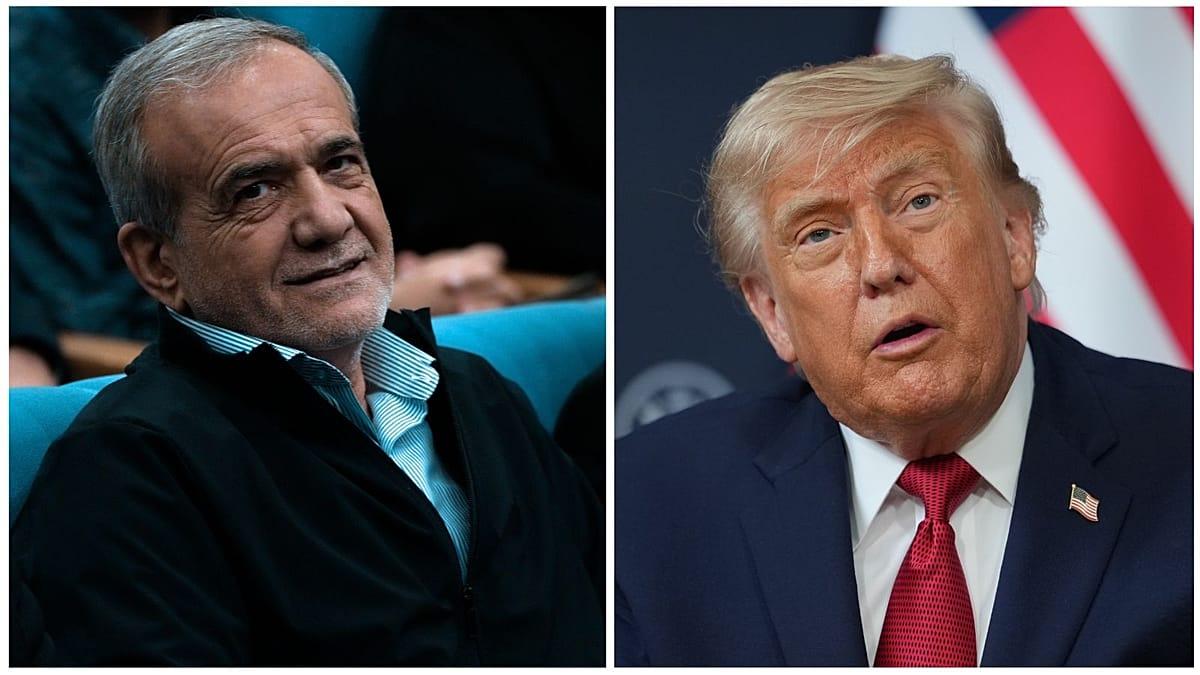
Khamenei wrote on X that “I, as a matter of principle, held a different view; however, out of the commitment” and said he granted permission after assurances from Iranian President Masoud Pezeshkian and Mohammad Bagher Zolghadr, head of Iran’s Supreme National Security Council.

The NBC News account said Trump signed a “14-point agreement” to end the Iran war and reopen the Strait of Hormuz, with a 60-day negotiation between Washington and Tehran starting Friday in the Swiss Alps.N
NBC News reported that the “final” U.S.-Iran agreement details still need to be thrashed out during that 60-day period, and it said the deal was signed at the Palace of Versailles where Germany’s surrender to end World War I was sealed in 1918.N
The Hill reported that under the memorandum of understanding text, Tehran could gain access to up to $300 billion for redevelopment efforts after agreeing to end fighting in Lebanon, reopen the Strait of Hormuz, and never seek to procure a nuclear weapon.T
Khamenei Blames Leverage
Khamenei told Iran’s Supreme Leader audience that it was the American president who used leverage to bring the memorandum about, writing “it was the American president who, out of desperation, used all kinds of leverage to bring this about.”
The Jerusalem Post quoted Khamenei saying Iran will not submit to “excessive demands” from the United States in future negotiations, and it said the MoU was signed on Thursday by Trump and Pezeshkian with JD Vance and Mohammad Bagher Ghalibaf digitally signing.

NBC News described how Trump defended the deal at the G7 summit in France as “very strong,” while Senate Minority Leader Chuck Schumer said, “Trump didn’t get peace through strength, he got payoff through weakness.”N
The BBC reported that US Central Command confirmed the end of the blockade on X “in accordance with the President's direction,” and it said Khamenei responded for the first time to the agreement without elaborating on his “different view.”
The BBC added that the official signing ceremony set for Switzerland on Friday was cancelled because the deal had already been signed remotely, while US and Iranian representatives were still expected to meet in Switzerland for further talks.
Reconstruction, Hormuz, and Risk
The Hill said the memorandum of understanding text would allow access to up to $300 billion for redevelopment efforts tied to ending fighting in Lebanon and reopening the Strait of Hormuz, while NBC News said the 60-day period would begin with talks in the Swiss Alps.
“a commitment to a $300bn (£227bn) fund”
NBC News reported that Trump acknowledged the deal did not achieve some initial war goals, including ending Iran’s ballistic missile program, and it said the free passage of ships is only guaranteed during the 60 days of talks.N
BBC News said the US-Iran deal centres around 14 core points, including a requirement that Iran should never have a nuclear weapon and a commitment to a $300bn (£227bn) fund for the “reconstruction and economic development” of the country.
The Hill reported that Khamenei said Tehran will not agree to “excessive demands” from the U.S. in the future, and it said Khamenei’s proxies will spend the next 60 days negotiating with U.S. leaders on further issues including restrictions on Iran’s nuclear program.T
NBC News also said the deal binds both sides to achieving a final deal in a “maximum” of 60 days, and it reported that U.S. NCentral Command said Thursday that the blockade on Iran’s ports had been lifted.