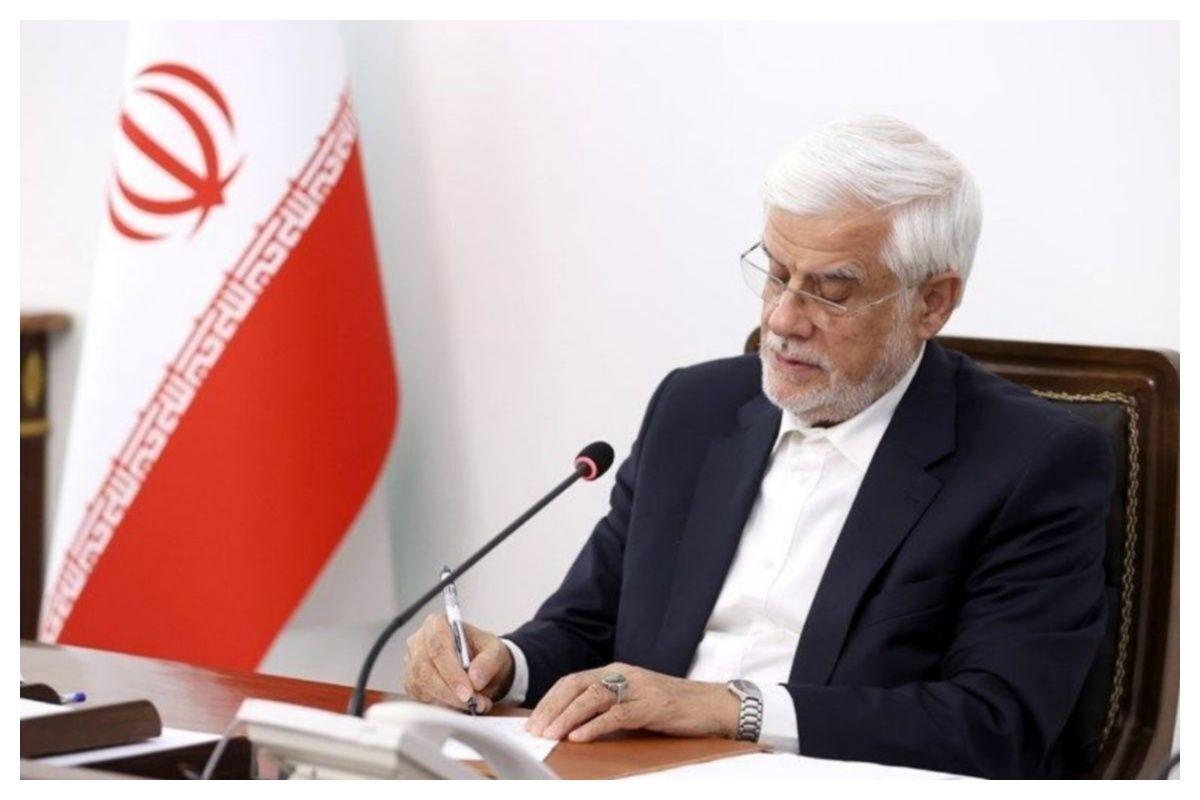
Mojtaba Khamenei Vows Revenge for Ali Khamenei Killing as Strait of Hormuz Tensions Persist
Key Takeaways
- Mojtaba Khamenei pledges revenge for his father's assassination.
- Statement issued amid Strait of Hormuz tensions between Iran and the US/Israel.
- Historic funeral turnout across Iran and Iraq coincides with the vow.
Revenge vow after killing
Iran’s Supreme Leader Mojtaba Khamenei vowed revenge for the killing of his father and predecessor, Ali Khamenei, saying the nation “demands” retribution for the assassination, as the ceasefire with the US remained in place while tensions with Washington continued.
DW reported that Iranian Foreign Minister Abbas Araqchi and his Omani counterpart discussed arrangements for vessels to pass safely through the Strait of Hormuz, with Araqchi and Sayyid Badr Albusaidi “exchanged views on appropriate mechanisms for the safe passage of ships through the Strait of Hormuz.”
DW also said the Iran war has “reignited” after Tehran hit at least three commercial vessels in the Strait of Hormuz earlier this week, according to US and maritime officials.
In a written pledge carried in the coverage, Mojtaba Khamenei declared, “We pledge to avenge the blood of the martyred leader and all the martyrs of these two wars,” linking the vow to “the criminal and disgraced killers.”
Trump missile warning
As Mojtaba Khamenei issued his revenge pledge, Trump warned that “1,000 missiles are Locked and Loaded and aimed at the Islamic Republic of Iran,” adding “with thousands more to immediately follow” if Iran acted on threats to assassinate him.
Kashmir Observer described Trump’s response as a “fresh online warning,” quoting the same line that the US was prepared to launch a “massive military response” if Tehran carried out any threat against him.

DW said the US was pushing for Iran to publicly state it will stop attacks on ships in Hormuz, with senior US officials telling reporters on Friday that “all lanes will be open with no tolls through the strait.”
DW also reported that a US request to Iran was tied to the ceasefire arrangement, while an Iranian diplomat declared that only Tehran has the authority to determine whether the strait is opened or closed.
Hormuz talks and uncertainty
In the Strait of Hormuz negotiations described by DW, Araqchi and Omani Foreign Minister Sayyid Badr Albusaidi discussed “appropriate mechanisms for the safe passage of ships through the Strait of Hormuz,” in accordance with the ceasefire deal.
DW said CNN reported Oman made a draft proposal for the waterway, including “free navigation under pre-war conditions” through its Southern Corridor in Omani territorial waters.
The same DW account said the US is pushing for Iran to publicly state it will stop attacks on ships in Hormuz, while Trump declared the ceasefire between the two countries was over even as talks continued.
Separately, the New Region reported that on February 28, Ali Khamenei, “86,” was killed in a US-Israeli strike on his compound in Tehran, and it said Mojtaba Khamenei’s vow came as mourners called for revenge and for the killing of Donald Trump.
More on Iran
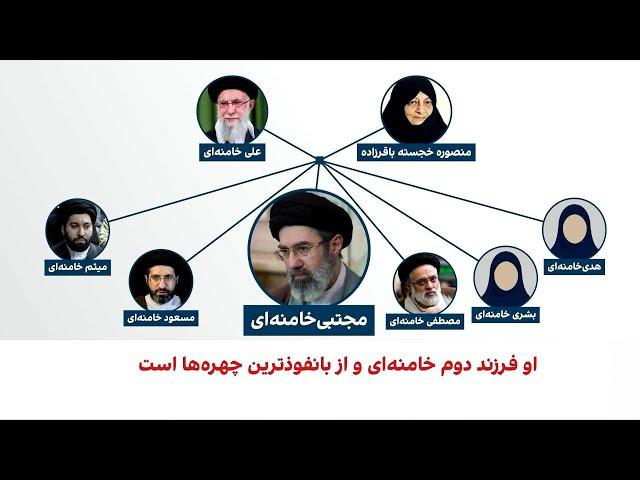
Mojtaba Khamenei Vows Revenge After Ali Khamenei’s Feb. 28 Killing
15 sources compared

Abbas Araghchi Meets Oman’s Badr Al-Busaidi In Muscat To Discuss Strait Of Hormuz Safe Passage
20 sources compared
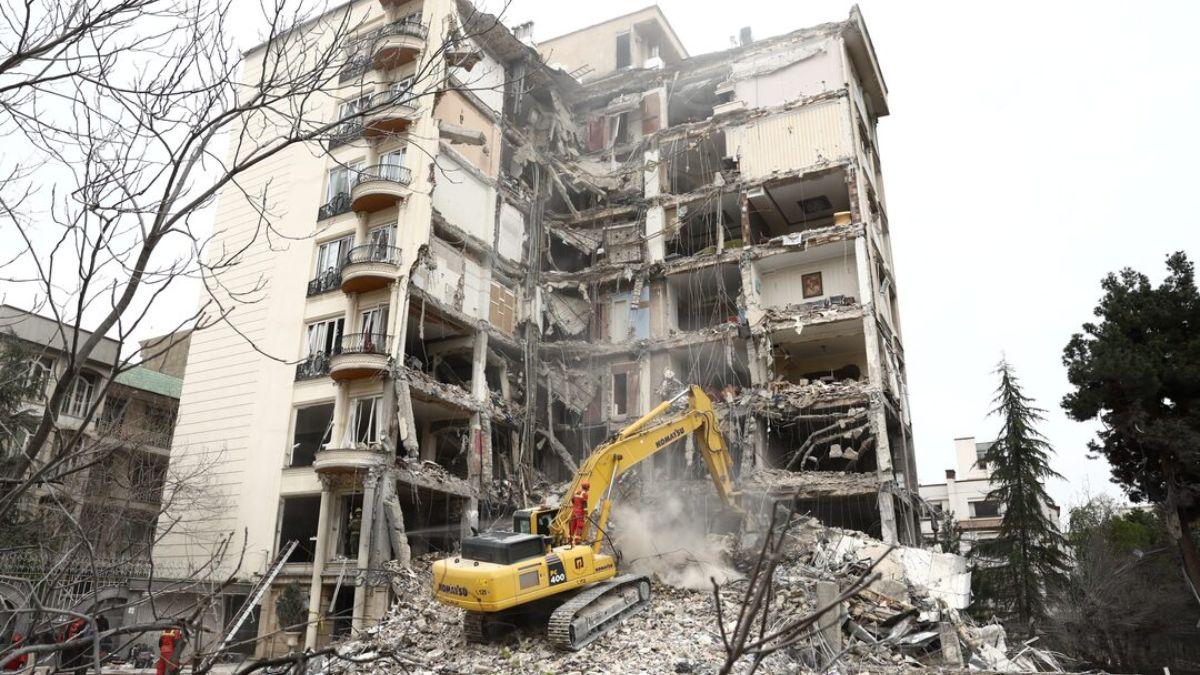
Donald Trump Threatens Iran With 1,000 Missiles If It Tries To Assassinate Him
33 sources compared
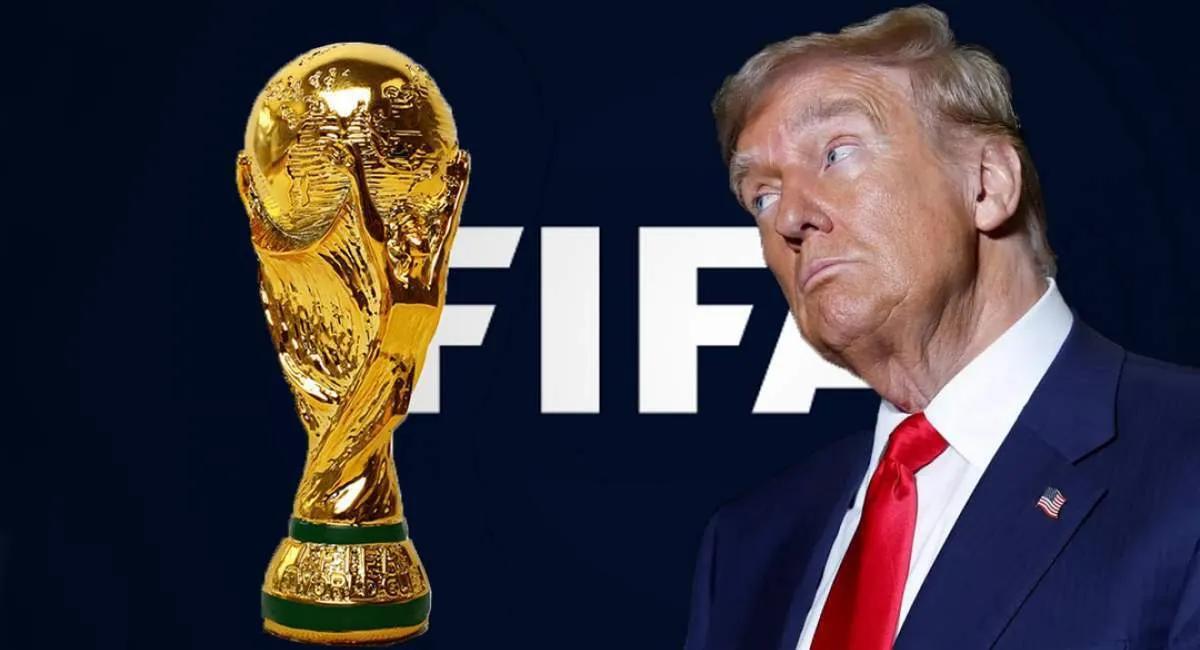
Iran Says Talks With U.S. Impossible Until Washington Retreats, Vows Revenge for Ali Khamenei Death
17 sources compared