Mojtaba Khamenei Vows Revenge for Ali Khamenei’s US-Israeli Killing
Key Takeaways
- Mojtaba Khamenei vows revenge for Ali Khamenei's killing.
- Killing occurred in a US-Israeli airstrike on February 28.
- Message released on Telegram and broadcast on state TV.
Revenge vow after killing
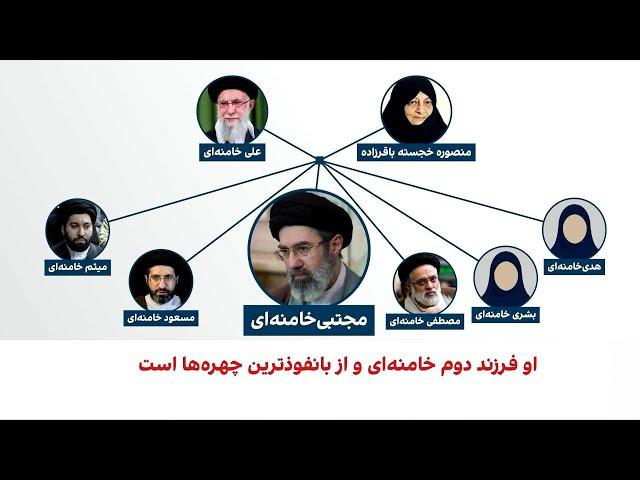
Iran’s new supreme leader Mojtaba Khamenei vowed revenge for the US-Israeli killing of his father and predecessor Ali Khamenei in a written message read out on state TV, saying, "Vengeance is the will of our nation and must inevitably be carried out."
“In short: A written statement from Iran's Supreme Leader Ayatollah Mojtaba Khamenei has threatened vengeance for the death of his predecessor and father”
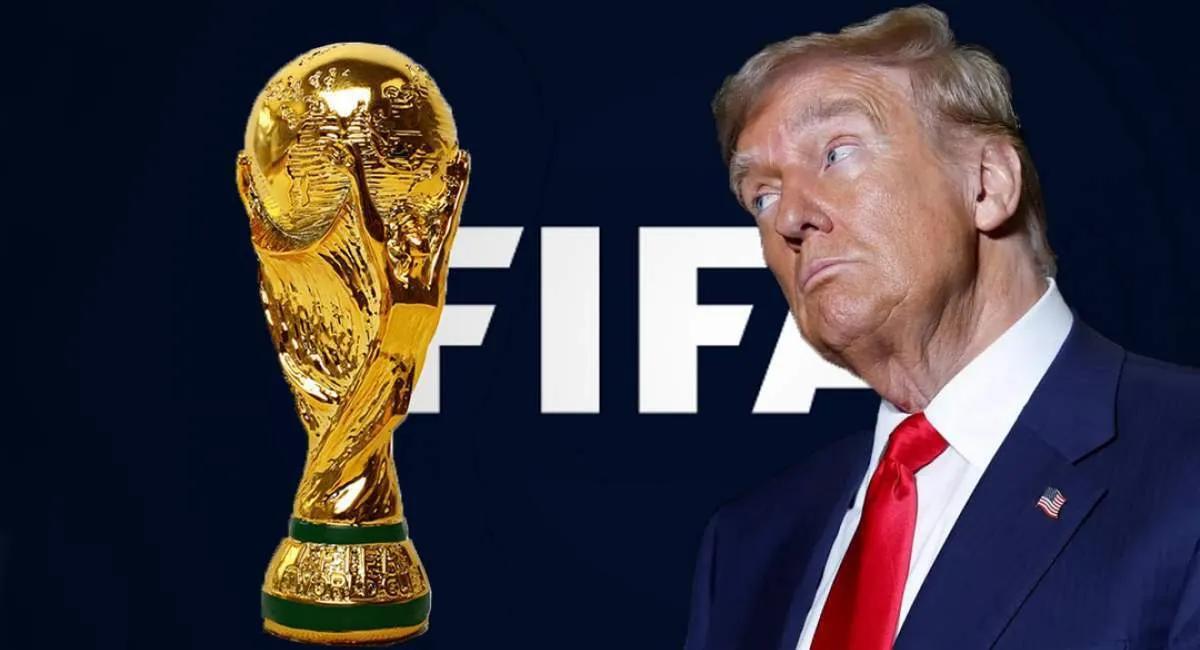
The pledge came hours after President Donald Trump threatened severe reprisals in the event of any attempt on his life, posting that any such move would lead the United States to "completely decimate" Iran.
The rhetoric escalated after exchanges of fire this week rocked an interim agreement aimed at ending the Middle East war, which broke out in late February with massive US-Israeli strikes that killed former supreme leader Ali Khamenei.
The BBC reported that Ayatollah Mojtaba Khamenei’s statement was his first public message since his father’s funeral ceremonies began this week, and it quoted him saying, "The matter depends neither on my personal existence nor on that of other officials."
Trump, mediators, and Hormuz
Trump warned that any attempt to assassinate him would trigger US action, writing, "1000 Missiles are Locked and Loaded and aimed at the Islamic Republic of Iran," with thousands more ready to follow.
Iran’s Foreign Minister Abbas Araghchi insisted Tehran had stuck to its end of the bargain under the memorandum of understanding, telling reporters, "There can only be mutual compliance," while Iran’s ambassador to the UN, Amir Saeid Iravani, said on Friday that Iran would no longer be bound if the United States continued to violate its obligations.

Mediators continued trying to salvage diplomacy, with Al-Monitor saying Iranian media reported that a delegation from Qatar travelled to Iran on Friday to "try to reinforce Qatar's role as a mediator".
The BBC said US officials conveyed a demand that Iran publicly state that the Strait of Hormuz is open and pledge to stop firing on commercial ships, as the incident involving three commercial tankers attacked in Omani waters prompted US strikes that killed 17 people and injured 115, according to Iranian officials.
Negotiations under pressure
As the revenge threats unfolded, diplomacy remained tied to the Strait of Hormuz, with Al-Monitor describing a key roadblock to a final agreement as the future of the strait, which Iran closed to commercial shipping during the war.
Al-Monitor reported that Axios and Politico said Washington had given Tehran until Saturday to stop firing on commercial ships transiting Hormuz and acknowledge the waterway is open, while Iran insisted on controlling passage and announced plans to charge fees.
The BBC said the incident prompted a series of US strikes in which 17 people were killed and 115 injured, according to Iranian officials, and it added that Iran responded with strikes on US allies in the Gulf and Trump declared the ceasefire over while saying talks would continue.
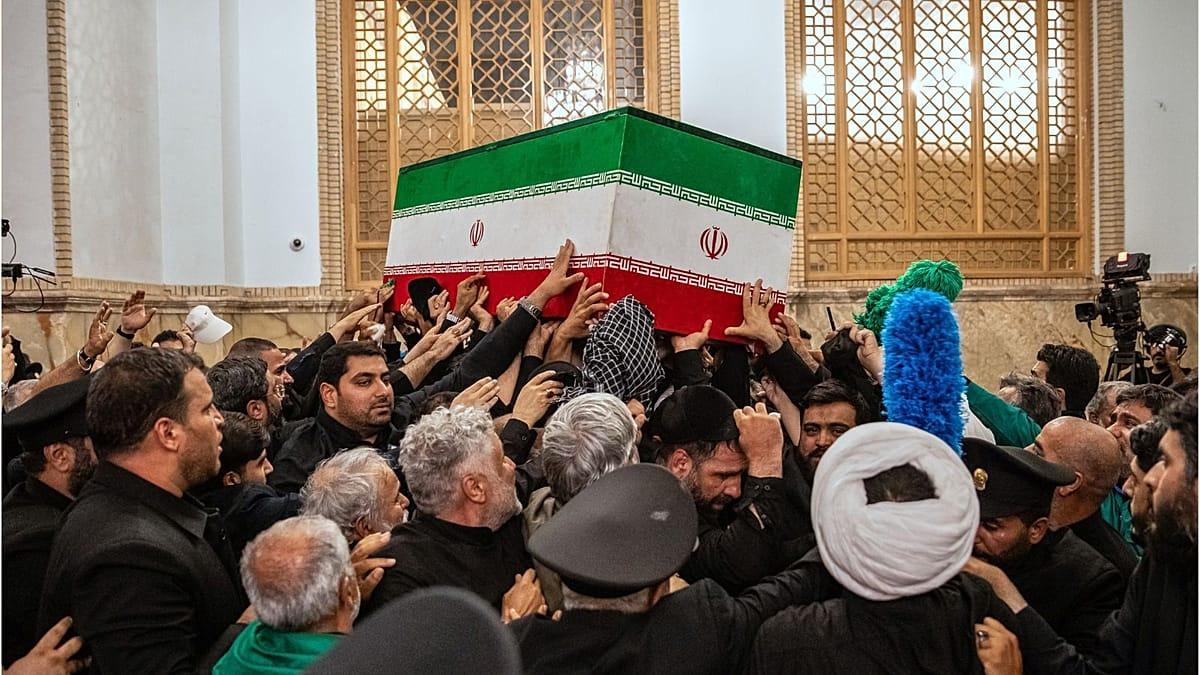
NBC News reported that Ayatollah Ali Khamenei was buried in Mashhad in a weeklong funeral that saw his body taken to five cities in both Iran and Iraq, and it said Mojtaba Khamenei did not attend public events as part of his father’s weeklong funeral.
More on Iran
Mojtaba Khamenei Vows Revenge After Ali Khamenei’s Feb. 28 Killing
15 sources compared

Abbas Araghchi Meets Oman’s Badr Al-Busaidi In Muscat To Discuss Strait Of Hormuz Safe Passage
20 sources compared
Donald Trump Threatens Iran With 1,000 Missiles If It Tries To Assassinate Him
33 sources compared
Iran Says Talks With U.S. Impossible Until Washington Retreats, Vows Revenge for Ali Khamenei Death
17 sources compared