Financeupdated 26m ago2 min read
Archive photo · 15 August 2023Monetary Authority of Singapore and Deutsche Bundesbank Test Cross-Border EUR/SGD CBDC Settlement
“Why the crypto community opposes CBDCs”
“Simbolon is a proof of concept, so it demonstrates feasibility rather than a live system handling real market volumes.”
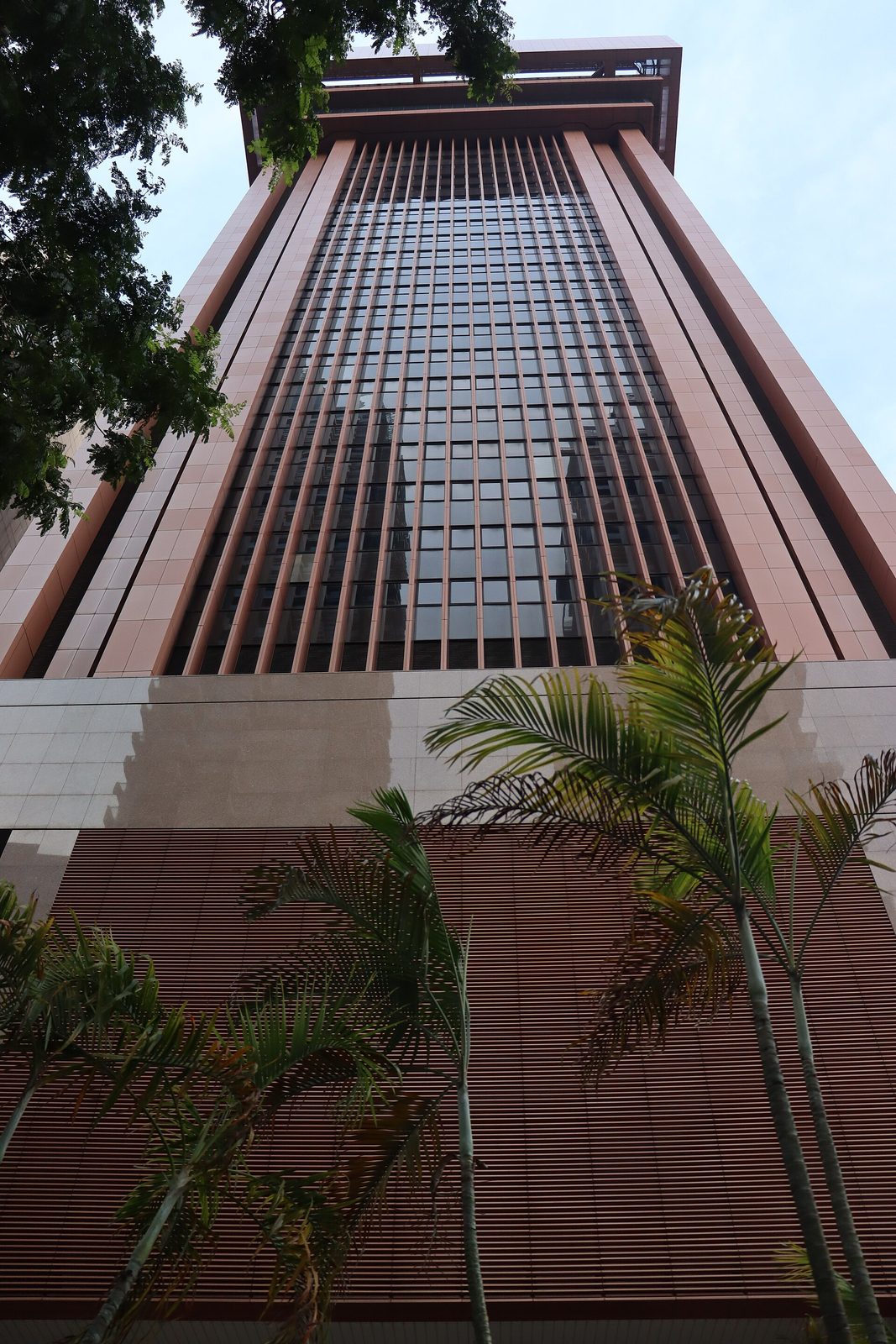
Photo: Mrb Rafi, CC BY-SA 4.0 · Cropped for layout
This article is an automated aggregation of coverage from news outlets. Our editorials offer in-depth analysis curated by the NewsCord team.
MAS and Deutsche Bundesbank tested cross-border EUR/SGD settlement with wholesale CBDCs. Atomic settlement occurred across separate ledgers using zero-knowledge proofs.
Save coverage image
Simbolon CBDC FX test
The Monetary Authority of Singapore and Germany's Deutsche Bundesbank used wholesale central bank digital currencies to test settlement of euro-Singapore dollar trades across their separate digital asset test environments under Project Simbolon. The test used payment-versus-payment settlement, so the final transfers of each currency depended on the final transfer of the other, and the central banks used zero-knowledge proofs to verify whether settlement conditions were met without directly integrating the central bank ledgers. The test focused on euro and Singapore dollar foreign exchange trades, and the central banks described the work as a successful connectivity test.
DBS Bank and Deutsche Bank took part as key participants, and Partior supplied the technology support for the cross-border trial. The central banks said Project Simbolon was the first major milestone under a November 2025 memorandum of understanding on tokenization and cross-border settlement.

Atomic PvP and proofs
Project Simbolon demonstrated atomic payment-versus-payment settlement, meaning both legs of an EUR/SGD transaction complete together or neither completes at all. The central banks ran the settlement across separate distributed ledger technology environments, so each side kept its own system while zero-knowledge proofs confirmed that settlement conditions were met. MAS said the project connected the central banks' digital asset settlement test environments without requiring a direct technical link between their ledgers.
Leong Sing Chiong, MAS deputy managing director for markets and development, said financial systems would need to work across national boundaries as tokenized markets develop, and he described the collaboration as establishing “future pathways for more efficient cross-border settlement.” Sabine Mauderer, first deputy governor of the Bundesbank, said, “Project Simbolon paves the way for eliminating settlement risk in global foreign exchange transactions.”
Next steps and scope
The central banks said Project Simbolon examined applications beyond FX settlement, including securities trading and intraday liquidity management for financial institutions. The trial also explored how banks could arrange funding when financial centers follow different business hours, including situations where one country's financial markets have closed while the other remains active. The central banks planned further research into settlement performance, legal requirements, governance and operational arrangements, and they said the work was a proof of concept rather than a live system handling real market volumes.
MAS said the arrangements could allow institutions to obtain and commit funding closer to when they need it, potentially improving the way they manage available cash. The central banks said the project was wholesale settlement between financial institutions, not consumer transfers or a retail digital currency.