Europe · 15 August, 2026 · 2 min read
Morocco Arrests 111 Migrants Near Ceuta After Online Calls for Mass Border Crossing
Moroccan police detained at least 111 migrants near Fnideq trying to cross Ceuta. Authorities boosted security on both sides of Ceuta border amid online incursion calls.
How many were detained in Morocco.
3 of 4 outlets skipped it: morocco expelled EFE and TVE journalists from Fnideq.
19outlets compared
Same story, two versions
tap a side to read it in full
Economía Digital
“Las fuerzas de seguridad marroquíes han detenido a 294 personas, la mayoría de ellas procedentes del África subsahariana”Read the original ↗
The Independent
“arrested at least 111 individuals attempting to enter Spain’s North African enclave of Ceuta”Read the original ↗
Telegraph, Reuters, and BBC emphasise arrests; Economía Digital gives a much higher detained figure
Ceuta crackdown after calls
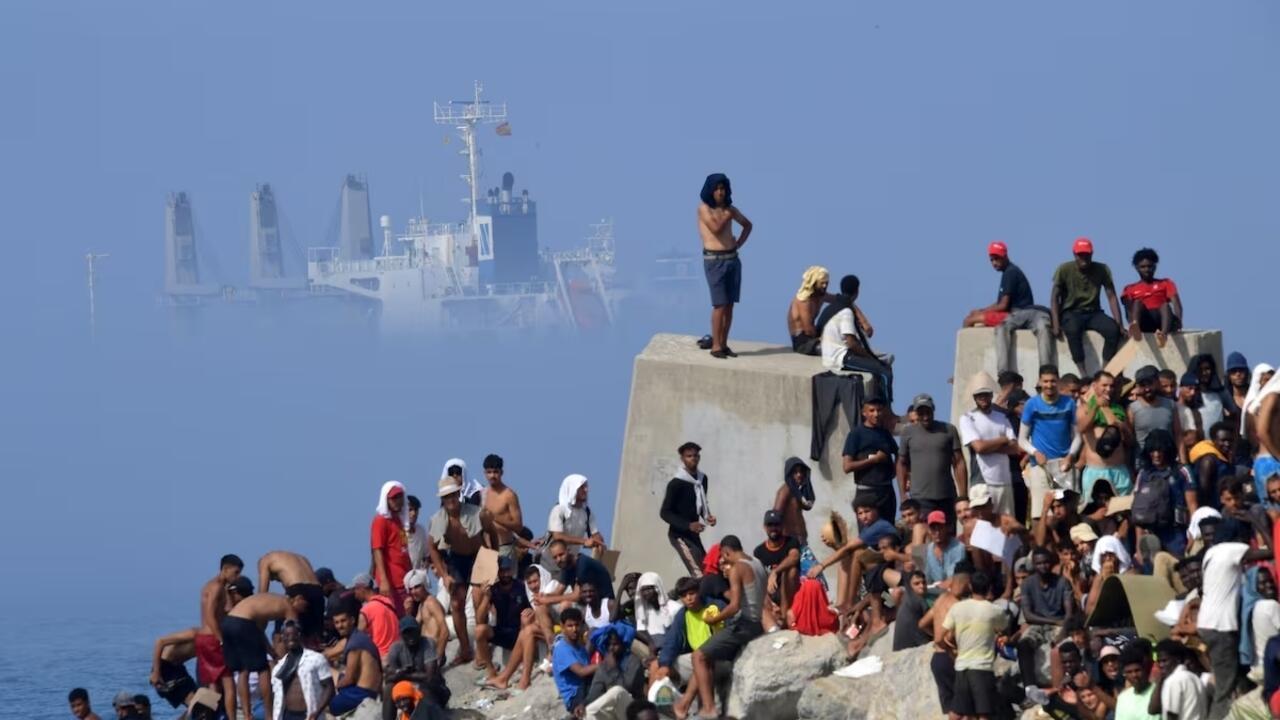
Moroccan authorities arrested at least 111 people attempting to enter Spain’s North African enclave of Ceuta, following online calls for another mass border crossing, with the attempt coming two weeks after more than 72,000 migrants surged into the territory. A Moroccan Interior Ministry official told Reuters that those detained included 109 sub-Saharan African migrants and two Moroccan nationals, apprehended in and around Fnideq, the border city facing Ceuta.
EFE reported that Moroccan police fired tear gas to disperse groups gathered on hills roughly three kilometres (1.9 miles) from the border, while Reuters later observed hundreds of police officers returning from the area. Across the border, Spanish soldiers guarded supermarkets and heavily armed police patrolled Ceuta’s main thoroughfares as the city appeared quieter than in the chaotic days after the deadly crossing on July 30.

Numbers and legal pressure
While Reuters and Spanish reporting tied the latest arrests to at least 111 people, Economía Digital said Moroccan forces detained 294 people, including 248 sub-Saharan Africans and 46 Moroccan citizens, as security deployments expanded around Fnideq (Castillejos). EEconomía Digital also said the Royal Moroccan Navy activated six semirrígidas boats and that Morocco installed concertinas from the beginning of the week, alongside a new metal barrier of about four metres near the border.E
In parallel, the BBC said Moroccan security sources reported 111 people were detained in Fnideq or its surroundings, about three kilometers from the border, with most detainees from sub-Saharan African countries. The BBC reported Rabat was monitoring “the circulation of anonymous posts and messages of unknown origin” calling for a mass crossing on Saturday and warning that organizers and participants would be pursued judicially.

EU tensions and enforcement
Spain’s Interior Minister Fernando Grande-Marlaska said about 5,000 migrants remained inside Ceuta and that those entering irregularly would not be permitted to stay, travel to mainland Spain, or receive legal status except in rare cases involving severe vulnerability. Grande-Marlaska also said those without a right to remain face deportation to Morocco, while Reuters reported Spain had installed a maritime barrier and deployed more than 500 extra police officers from mainland Spain, bringing the total security presence in Ceuta to over 1,600.
The BBC reported Italy suspended Schengen arrangements with Spain, with support from Finland and Denmark, and quoted Italian Foreign Minister Antonio Tajani saying, “We are simply watching the arrivals closely.” In a separate Reuters account, border workers’ unions said Spain disregarded warnings in the weeks before the July 29-30 rush, and AUGC’s Rachid Sbihi described the combination of the ruling, criminal gangs, and social media as an “explosive cocktail.”