Africa06 November, 20253 min read
Morocco Silences Green March Anniversary Speech After UN Endorses Occupation of Western Sahara
This article is an automated aggregation of coverage from news outlets. Our editorials offer in-depth analysis curated by the NewsCord team.
UN Security Council approved resolution endorsing Morocco's autonomy plan for Western Sahara Morocco canceled traditional Green March anniversary speech following UN resolution approval
5 outlets told this the same way.
Green March Anniversary Observance
Morocco marked the Green March anniversary with an unusually muted posture. King Mohamed VI canceled his traditional November 6 address after a recent UN resolution that reportedly endorsed Morocco’s autonomy plan. Instead of delivering the speech, he traveled to the UAE while Laayoune hosted official festivities under tight control.
“Morocco has chosen a low-key approach to commemorating the Green March, the massive 1975 mobilization that led to Spain’s withdrawal from Western Sahara, its last African colony.”
Reports note that only a few ministers attended the events, and Sahrawi nationalist neighborhoods were quiet under heavy security. October 31, the date of the favorable UN vote, was designated a new “Unity” holiday replacing the annual speech.

Western mainstream coverage adds that on the 50th anniversary the king did not give a speech. This is seen within the context of Morocco’s consolidation of control over about 80% of Western Sahara, which remains legally a non-autonomous territory under Spanish administration.
Western Sahara Conflict Narratives
The Green March itself—“the massive 1975 mobilization that led to Spain’s withdrawal”—anchors competing narratives about sovereignty and occupation. Western Alternative coverage emphasizes that Morocco has “mostly occupied” Western Sahara since 1975, that the Polisario Front controls about 20% with Algerian backing, and that the 1991 ceasefire collapsed in 2020 amid unfulfilled promises of an independence referendum and “harsh repression.” Western Mainstream outlets stress Morocco’s de facto control over roughly 80% and the territory’s unresolved legal status, while local reporting centers the tightened security and subdued commemorations in Laayoune.
Diplomatic Debate on Autonomy
Diplomatic dynamics around the anniversary revolve around autonomy versus self‑determination. Local reporting says a UN resolution recently endorsed Morocco’s autonomy plan. El País notes the UN envoy Staffan de Mistura is soliciting proposals based on Morocco’s autonomy plan but insists the outcome be mutually agreed and respect self‑determination.
“Following a recent UN resolution endorsing Morocco’s autonomy plan for the territory, King Mohamed VI canceled his traditional speech...”
Middle East Eye adds that Europe supports the autonomy plan and the U.S. recognized Moroccan sovereignty in 2020. These moves were rejected by the Polisario and Algeria, helping explain Rabat’s confidence and the shift to a new national “Unity” holiday on the date of the UN vote.
Development and Resource Disputes
On the ground, development and resource politics intensify the dispute. El Aaiún is undergoing rapid growth, including a hospital, a Faculty of Medicine, and a large bridge. Its population has grown tenfold since Spain’s 1975 withdrawal.
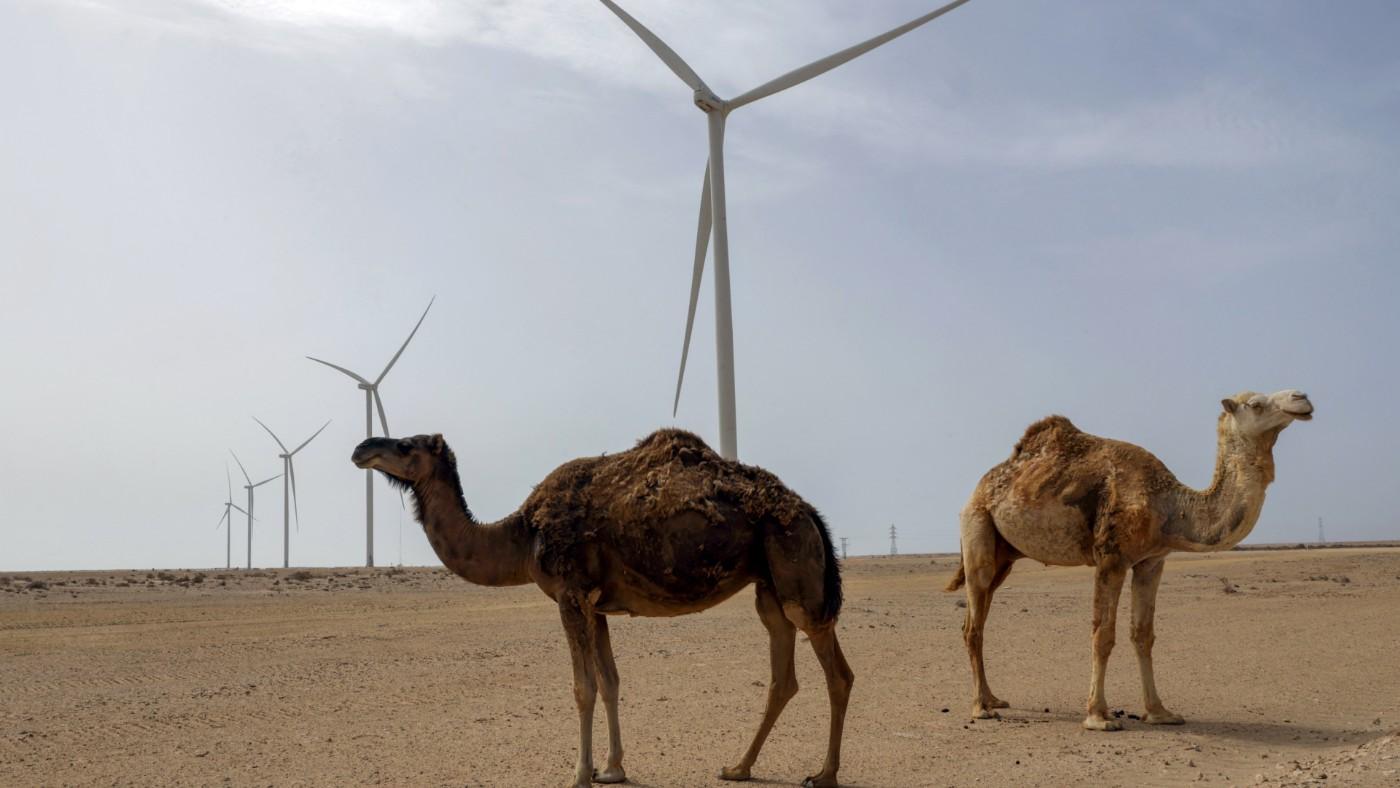
Middle East Eye reports expanding Moroccan economic activities such as fishing, phosphates, and green energy. These activities often involve firms from France, Spain, Israel, and the U.S., drawing criticism for greenwashing an occupation and lacking Sahrawi consent.

El Mundo links these dynamics to Western Sahara’s strategic resources and the surge of U.S. investment. This reinforces Rabat’s leverage even as legal challenges and political complexities persist.
Anniversary Security and Narratives
Security and symbolism were tightly managed around the anniversary. Local reporting describes official festivities in central Laayoune and quiet Sahrawi nationalist neighborhoods under heavy security. The king was absent, with only a few ministers present, amid a rebranding of the commemoration into a new October 31 Unity holiday tied to the UN vote.
“While official celebrations with music and reenactments took place in central Laayoune, Sahrawi nationalist neighborhoods remained quiet under heavy security.”
Western mainstream coverage connects the muted ceremony to longer-term nationalist agendas, including Morocco’s claim over Western Sahara as a pillar of the monarchy’s authority and ambitions toward Ceuta and Melilla. Western alternative reporting emphasizes ongoing conflict since the 2020 ceasefire collapse and persistent repression.
