Climateupdated 13m ago2 min read
Archive photo · 1 November 2014Nature Study Estimates Draining Peatlands Since 1800 Drives About 2.7% Warming
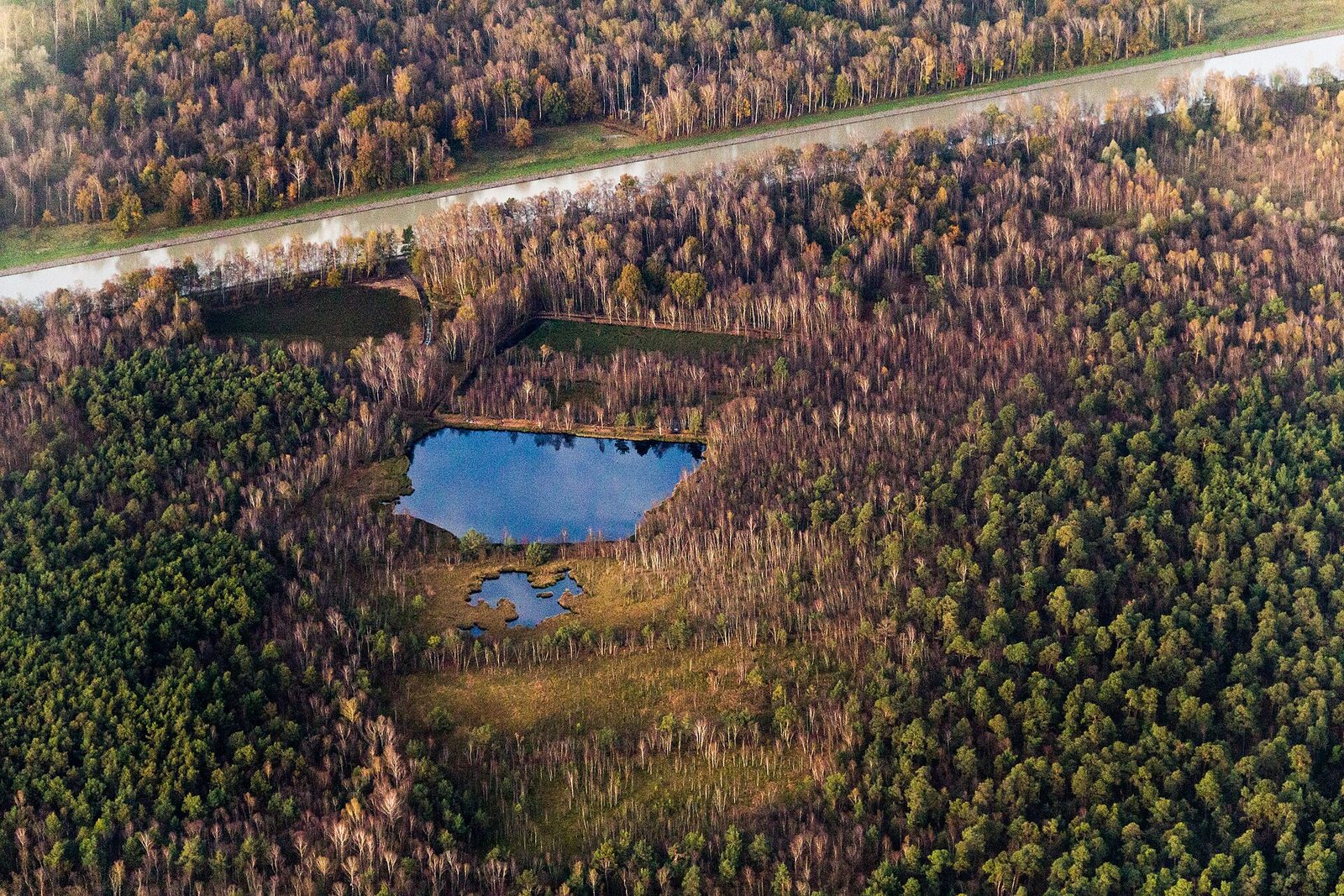
3 Western Alternative1 Other1 Western MainstreamPhoto: Dietmar Rabich, CC BY-SA 4.0 · Cropped for layout
This article is an automated aggregation of coverage from news outlets. Our editorials offer in-depth analysis curated by the NewsCord team.
Draining peatlands since 1800 accounts for about 2.7% of human-caused warming. About 15% of peatlands have been drained, roughly 0.5% of global land.
Save coverage image
5 outlets in this story. Read their headlines below.
Outlets did split on NOAA Says El Niño Labels Like “Mega” Don’t Mean 10°C Above Normal →
2.7% Warming Legacy
A Nature study estimated that draining peatlands since 1800 is responsible for about 2.7% of the human-caused warming the world is experiencing today. The study said drained peat can keep releasing carbon dioxide for centuries, and it described drainage as an enduring burden because emissions can continue long after ditches are dug. MIT researchers reconstructed peatland drainage from 1800 to 2020 and modeled how it changed the atmosphere, with the Nature World News account stressing that the 2.7% figure is modelled rather than a direct measurement.
The MIT News account framed the finding as a long-lasting legacy, saying drainage carried out generations ago is still contributing to warming now and will keep doing so unless something changes. The Nature alternative preview reported that the reconstruction found drainage produced a net heating effect of +73 (48–99) mW m−2, equivalent to 2.7 (1.8–3.6)% of industrial-era radiative forcing, originating from 0.4–0.5% of global land area.
CO2, Methane, and Policy
MIT associate professor of civil and environmental engineering César Terrer said, "The first message is to stop draining peatlands, because a drained peatland can keep emitting carbon dioxide for centuries." Terrer also told MIT News that "The second is to restore the peatlands that are already drained, which means raising their water table," linking restoration to water-table changes. The MIT News account said peatlands store about 30 percent of the world’s soil carbon despite accounting for only 3 or 4 percent of the planet’s land surface, and it added that this is more than the carbon stored in all the world’s forests combined.
The Nature alternative preview described the mechanism as drainage causing decomposition and the re-release of CO2 while suppressing CH4 emissions, producing a net climatic effect that the paper said is not well quantified at the global scale. Ars Technica described the model’s approach as estimating CO2 and methane release as water level drops, and it said the team ran its model starting in 1800.
Restoration Limits and Tradeoffs
The Nature alternative preview reported that even without further expansion of drainage, maintaining currently drained areas could almost double the cumulative warming by 2100. MIT News said the researchers found that drainage of about 0.5 percent of the world’s land surface, or about 15 percent of all peatland area, is responsible for about 2.7 percent of the warming influence of human activities since the Industrial Revolution. MIT News also said maintaining currently drained peatlands could almost double the cumulative warming caused by peatlands by 2100, and it described raising the water table as avoiding part of the warming that drained peatlands would otherwise add this century.
“Even without further expansion of drainage, maintaining currently drained areas could almost double the cumulative warming by 2100.”
The Nature alternative preview reported that the net heating results from dominant forcing of drainage-induced CO2 emissions of +83 (52–110) mW m−2 over avoided CH4 emissions of −9 (−15–−2) mW m−2. Nature World News added that the researchers’ central message was that the damage does not stop when the ditches are dug, because drained peat can keep releasing carbon dioxide for centuries.