Climateupdated 1h ago2 min read
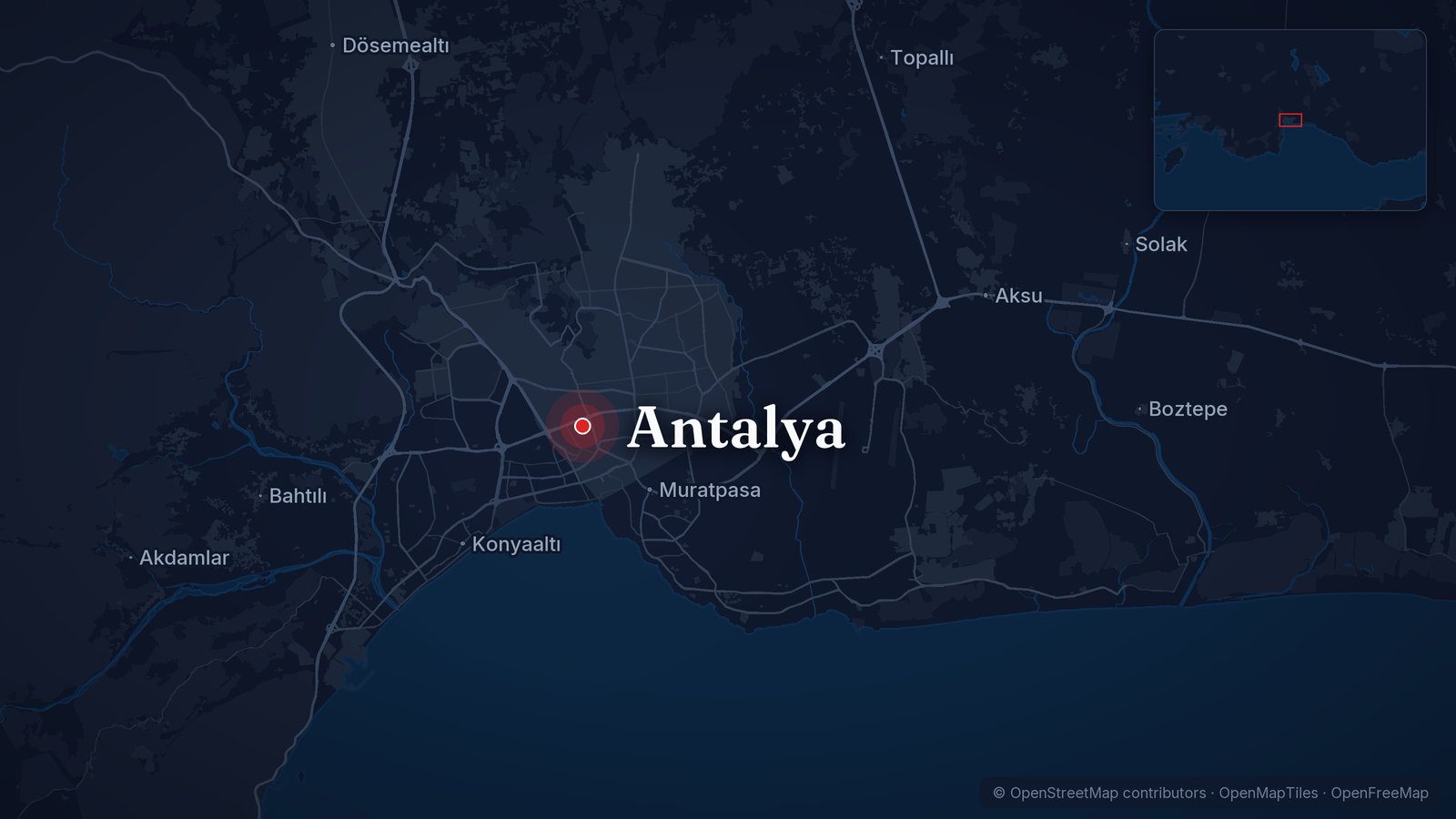
MapCOP31 Ends in Antalya Without “Antalya Pact” After EU Rejects Fossil-Fuel Omission
7 Other1 Israeli1 Latin American2 Other source typesMap: © OpenStreetMap contributors, ODbL · Cropped for layout
This article is an automated aggregation of coverage from news outlets. Our editorials offer in-depth analysis curated by the NewsCord team.
COP31 ends with no general political agreement as fossil fuel language and finance disputes persist. EU and many member states reject deal that omits fossil fuels, signaling major diplomatic setback.
Save coverage image
The Jerusalem Post was read line by line by the Watchdog: 0.0. See the score →
COP31 ends without deal
COP31 in Antalya, Turkey ended without an overarching agreement after countries rejected the “Antalya pact,” a cover decision proposed by the joint Turkish-Australian presidency that lacked clear references to curbing fossil fuels or scaling up climate finance. UNFCCC chief Simon Stiell expressed “deep disappointment,” adding there was “scope to improve, modernise and reform” the UN climate process.
The EU monitoring text said the EU and all 27 Member States showed “their firm stance to limit global warming through the Paris Agreement,” and it said the EU could not accept a compromise that “puts at stake the Paris Agreement.” The talks did not “collapse” because several negotiated items were still adopted, and the rejection of the cover decision reflected “those who want a higher level of ambition actively reject[ing] the lowest common denominator on offer.”
Fossil fuels and finance
The EU monitoring text said the EU endorsed, with many other Parties, the 35-by-35 Global Electrification Pledge launched by the Turkish COP31 Presidency, aiming to boost the share of electricity in global final energy consumption by 35% by 2035. Around 80 nations signed up to a global target of securing 35% of final energy consumption from electricity by 2035, and stark divisions over fossil fuels and a proposed $120bn target for funding climate adaptation were described.
Ireland’s Climate and Energy Minister Darragh O'Brien told delegates the bloc could not accept a cover decision that “does not even mention fossil fuels, which is the key driver of climate change,” and O'Brien accused oil-producing countries of obstructing progress. Marshall Islands climate envoy Kathy Jetnil-Kijiner said, “We will not compromise our future to benefit fossil fuel interests,” as the removal of a proposed $120-billion climate adaptation target from the final draft was described.
What comes next
The failure of the Antalya political declaration cast a shadow over efforts to decarbonize maritime transport, as the European Union and the United Kingdom rejected the agreement proposal presented by Türkiye and Australia due to the absence of explicit references to the transition away from coal, oil, and gas. As the International Maritime Organization prepares to resume discussions, the IMO Net Zero Emissions Framework was described as approved as a draft in 2025 but still awaiting adoption, and the regulatory framework adoption was said to have been postponed in October 2025.
IMO delegations would begin five days of technical discussions ahead of the 85th session of the Marine Environment Protection Committee (MEPC 85), and a new extraordinary IMO session was provisionally planned for December 4, subject to confirmation at MEPC 85. UNFCCC chief Simon Stiell warned there was “scope to improve, modernise and reform” the UN climate process, and many items were adopted in the closing plenary while support for countries struck by climate disasters was pointed to.