Climateupdated 20m ago3 min read
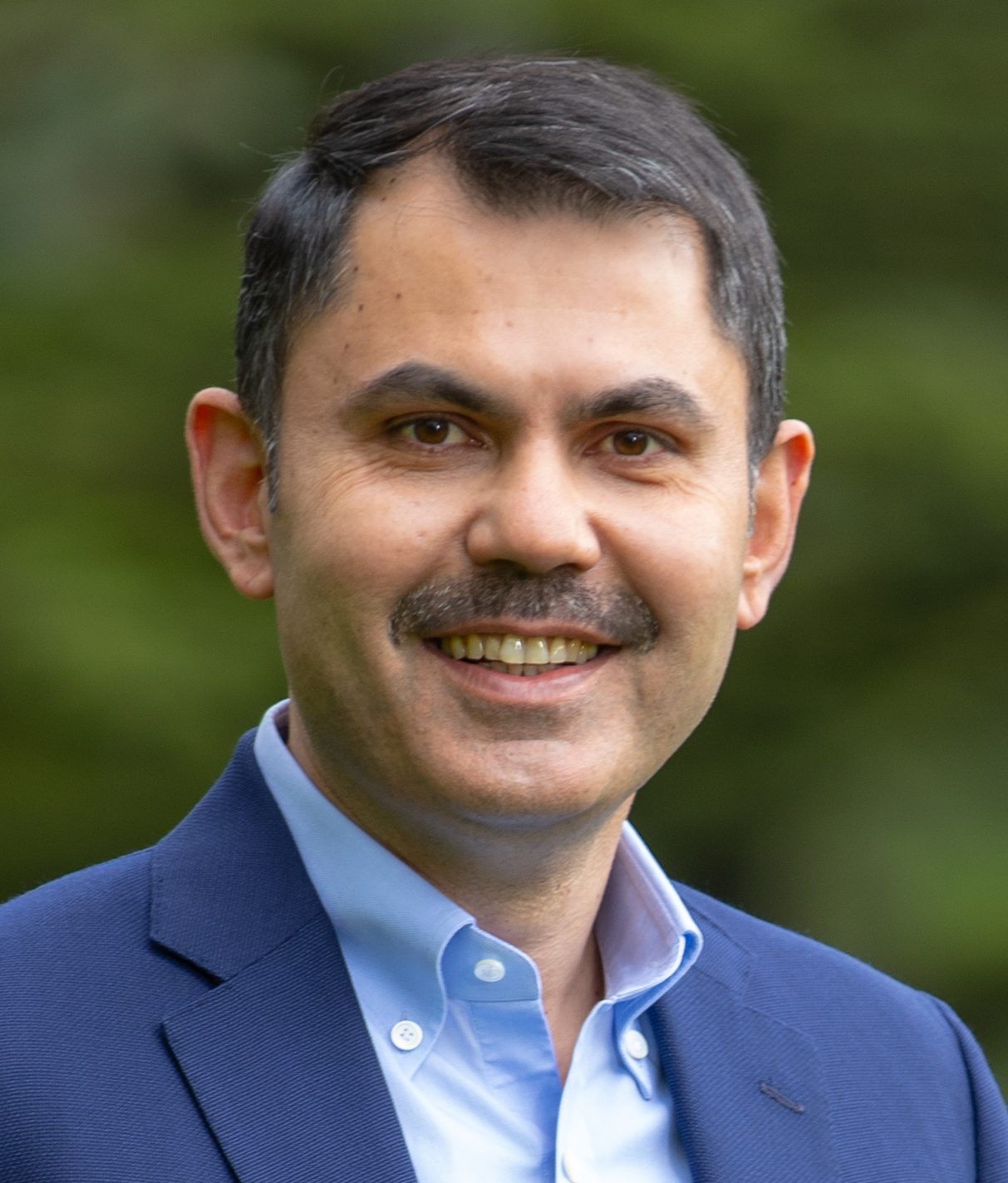
Archive photo · 1 December 2023COP31 President Murat Kurum Says Fossil-Fuel Text Can Win Parties’ Approval in Overtime
“other countries, especially big oil producers like Saudi Arabia and Russia, don't want language that specifically targets fossil fuels.”
“He argued that this summit was about implementation, and should focus on the move towards clean energy sources.”
Photo: Ktpkurdu, CC BY-SA 4.0 · Cropped for layout
This article is an automated aggregation of coverage from news outlets. Our editorials offer in-depth analysis curated by the NewsCord team.
Kurum urged negotiators to back a last-minute fossil-fuel text. Talks extended into overtime after a day-plus of fossil-fuel disagreements.
Save coverage image
Al Jazeera was read line by line by the Watchdog: 0.0. See the score →
Overtime on fossil fuels
COP31 President Murat Kurum said negotiators at the COP31 climate summit were being asked to consider a last-minute proposal as talks stretched into a second day of overtime over the fossil fuels issue. Kurum, who is also Turkiye’s environment minister, told a late-night plenary session on Saturday, “We believe that we have put forward a text which all the parties can agree upon,” and said the conference would reconvene later on Sunday morning to approve the deal. The talks in the Turkish city of Antalya were due to end on Friday, but delegations had until 03:00 GMT on Sunday to raise any objections to the deal, with a session scheduled at 06:00 GMT to begin approving it.
The latest text was not immediately made public, and it was unclear if negotiators had received the wording overnight, which would give nations only a few hours to submit objections and changes. The UN’s Paris Agreement goal of limiting warming to 1.5 degrees Celsius above pre-industrial temperatures was already in question, with the United Nations warning the world would likely blow past it.
Drafts, red lines, and veto
The COP31 presidency tried to unblock the closing stretch by releasing a new draft final decision in which the direct need to leave fossil fuels behind is still not mentioned.
El PAÍS described the fossil-fuels omission as a red line for the European Union and other countries, and the dispute centered on the firm opposition of the most oil-dependent countries, led by Saudi Arabia.
France 24 said the new draft political decision still does not explicitly mention the phasing out of fossil fuels, even as it notes a brief formula that refers to the agreement reached in Dubai in 2023.
350.org criticized carbon capture, saying, “Carbon capture is not a climate solution. It is a lifebuoy for the fossil fuel industry,” while the BBC said the EU and Pacific island nations were among those pushing back against a draft with no reference to reducing demand for fossil fuels.
Panama’s minister for the environment, Juan Carlos Navarro, said, “It is not acceptable to have a COP or a cover decision that does not even mention fossil fuels and we simply will not put up with it.”
What is at stake next
The BBC warned that if countries cannot reach consensus, which is required by the UN’s climate talks process, the negotiations could be suspended and the summit would end with no deal and be reconvened next year. CNN Económica reported that the draft agreement published on Thursday removed earlier references to ending fossil fuel use after objections from Saudi Arabia and other oil- and gas-producing countries, and it said the draft also dropped a proposed target of providing $120 billion to fund climate adaptation efforts in developing countries. The second draft of the summit’s cover decision dropped both the proposed fossil fuel references and the annual adaptation finance target, and COP31 president Murat Kurum urged countries to “act responsibly” and reach a compromise.
Ghana’s environment minister Zanetor Agyeman-Rawlings said, “We didn’t come here to beg,” as developing countries reacted to the removal of the $120 billion annual adaptation finance target. Murat Kurum told delegates the third and final version of the cover decision would be “in your hands shortly,” and parties would have until 6am local time to consider the text before plenary reconvenes at 9am.