Other03 August, 20263 min read
Nauru Changes Name To Republic Of Naoero Under President David Adeang
This article is an automated aggregation of coverage from news outlets. Our editorials offer in-depth analysis curated by the NewsCord team.
Nauru officially adopts name Republic of Naoero to reflect Indigenous heritage. International code changes NRU to NRO; citizens will be dei-Naoero.
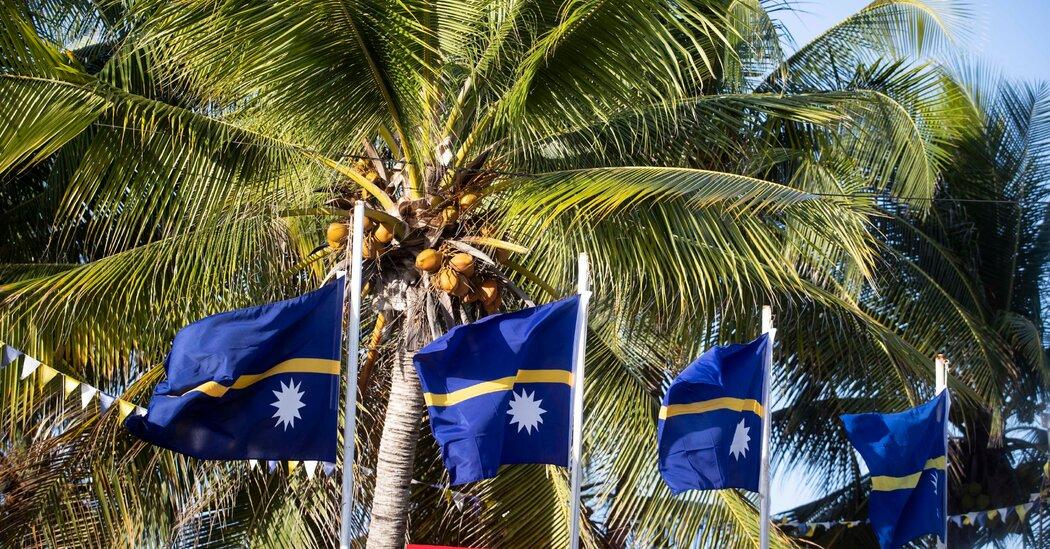
Nauru becomes Naoero
The Pacific island nation of Nauru has changed its name to the Republic of Naoero, with President David Adeang saying the spelling and pronunciation now match the national language. The country’s international code will change from NRU to NRO, and its people will be known as dei-Naoero instead of Nauruan, according to the announcement described by NPR. NPR reports that the move would return the remote South Pacific island nation to its traditional name, after an earlier government statement said Nauru became known internationally only because the local name was difficult for foreigners to pronounce.
SBS also says Nauru’s parliament passed a constitutional amendment in May to rename the country, initially planning a national referendum before Adeang said the referendum plans were dropped. SBS quotes Adeang saying, "The decision not to pursue a referendum was reached after thoughtful deliberation that Naoero is not a new name seeking acceptance by the people," as the government framed the change as identity and heritage rather than politics.
Parliament, referendum, identity
NPR says the suggested constitutional amendment has been endorsed by lawmakers in the requisite two rounds of voting, though it was not immediately clear if the document had been formally amended. In the same NPR account, the government said that after "extensive discussions," lawmakers decided a public vote wasn’t needed, adding that "the name Naoero has never been lost, but rather waiting to be fully embraced." SBS similarly frames the referendum decision as a response to the idea that Naoero is already established in public life, quoting Adeang that "It is already the identity of the people, is on the national coat of arms, and spoken in the community; and importantly is allowed by the constitution."
AP News also reports that the move matches the spelling and pronunciation in the national language, and that Adeang said the change would return Nauru to its traditional name. AP News quotes the government’s statement that "While a referendum is intended to determine the will of the people, the name Naoero has never been lost, but rather waiting to be fully embraced," tying the referendum drop to the claim that the name remains in use.
What changes next
NPR reports that the name change indicated "the beginning of renewed national pride," and says the government was seeking overseas investment through a paid citizenship program intended to fund movement of people and infrastructure away from the encroaching ocean. AP News adds that the move would prompt the renaming of Nauru’s national aircraft and ships, while also saying the government was already seeking international recognition for the shift. NPR says the website of the United Nations records the country by its new name, noting the government had requested it be changed in June, and that Australia and New Zealand’s foreign ministries as well as the U.S. and Chinese embassies in the region also designate the country as Naoero on their websites.
The New York Times reports that Naoero’s Parliament unanimously approved the change in May and that the name became official after plans for a national referendum were dropped. In 1490 WMRN’s account, President David Adeang emphasized that the renaming is not a political move but a heritage-centered effort to preserve "the legacy of our ancestors" and strengthen "the future of our children."