Gaza Genocide02 September, 20262 min read
Netanyahu Bloc Ties Anti-Netanyahu Bloc in Channel 13 Poll Ahead of Israel Election
This article is an automated aggregation of coverage from news outlets. Our editorials offer in-depth analysis curated by the NewsCord team.
Far-right parties pass threshold, boosting Netanyahu's bloc in Channel 13 poll. Netanyahu and Eisenkot blocs each projected at 53 seats.
The Jerusalem Post was read line by line by the Watchdog: 7.3. See the score →
Election math, Gaza backdrop
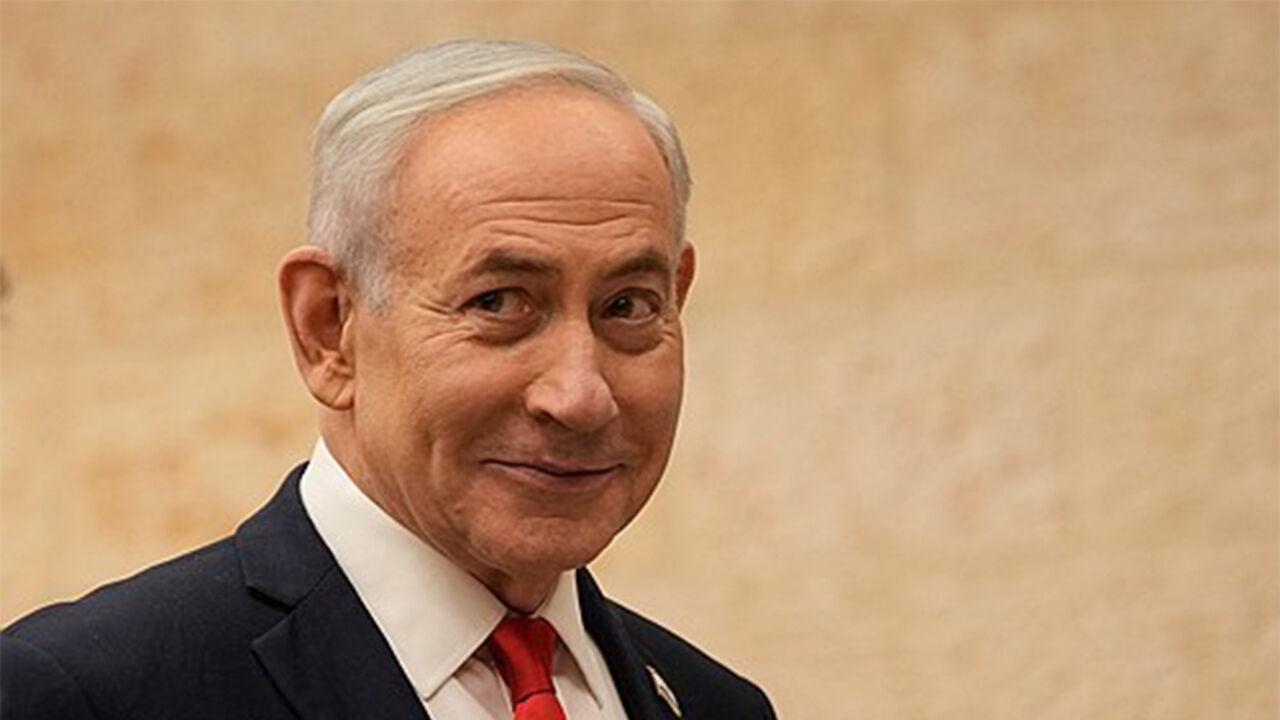
With Israel’s general election about a month away, political blocs supporting Prime Minister Benjamin Netanyahu boosted their approval ratings to tie with the anti-Netanyahu bloc in a Channel 13 poll released the previous day, with both blocs securing 53 seats each. The poll said both sides fell eight seats short of the 61-seat majority needed to form a government, which would force them to join hands with Arab parties projected to win 14 seats.
The shift was linked to right-wing parties in the pro-Netanyahu camp finding a breakthrough by announcing a merger, after the far-right Religious Zionist Party and Zehut were previously projected to fail to enter parliament. The same broadcaster’s poll a week earlier had the opposition bloc leading the pro-Netanyahu camp 57 seats to 48, and the new survey was released ahead of the deadline for submitting candidate lists on September 8 after surveying 940 people with a margin of error of 3.4 percentage points.

Liberman urges alliances
As the deadline for submitting party lists approached, Yisrael Beytenu leader MK Avigdor Liberman urged opposition leaders to forge alliances with smaller parties or risk failing to cross the electoral threshold. Liberman told The Jerusalem Post that the opposition bloc should form alliances with Gantz, Erdan, and Tropper, adding that “they have no chance of crossing the electoral threshold, but they could cost the serving bloc [opposition bloc] three to four seats.”
Netanyahu, meanwhile, called on small right-wing parties to make alliances with the parties in his bloc, warning they could also harm his camp if they ran independently. The Jerusalem Post said the electoral threshold stands at 3.25%, and it cited the 2022 elections where Meretz and Balad did not cross the threshold, wasting approximately 300,000 votes.
Far-right competition and Gaza
In parallel with the election calculations, Israeli far-right politics intensified as National Security Minister Itamar Ben Gvir campaigned with messaging that included an AI-generated video depicting numbered Palestinian prisoners being funneled along a conveyor belt into a fenced compound. The Politics Today article said the clip drew more than four million views before it was taken down, and it described Ben Gvir’s calls to strip prison conditions for Palestinian security detainees down to the bare legal minimum.
“The clip drew more than four million views before it was taken down.”
Finance Minister Bezalel Smotrich’s platform, the article said, centered on expanding Jewish settlements in the occupied West Bank and included a plan to relocate roughly a million additional Jewish residents to the Negev and Galilee and build around 40 new communities. It also said retired Brigadier General Ofer Winter’s campaign launch late in August ruled out any future Palestinian statehood and framed emigration as the answer for Gaza, while Moshe Feiglin’s Identity party called for Gaza’s destruction and the relocation of Palestinians to other countries.