Full story
Beirut strikes ordered
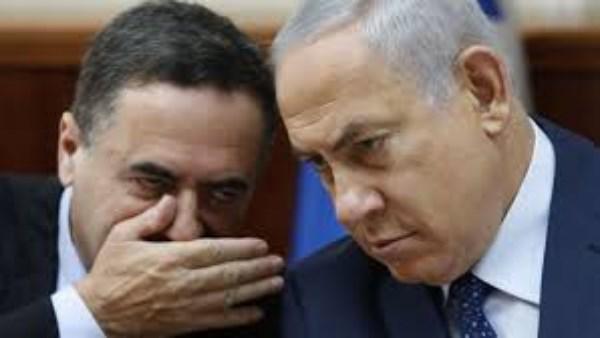
Israel’s prime minister Benjamin Netanyahu ordered attacks on the Hezbollah-controlled southern suburbs of Beirut, known as Dahieh, as its conflict with Hezbollah escalated and as Hezbollah continued rocket and drone attacks on Israeli civilians.
In a joint statement released on Monday morning, Netanyahu and Defence Minister Israel Katz said they had ordered strikes on Dahieh "following the Hezbollah terrorist organisation's repeated and ongoing violations of the ceasefire in Lebanon and its attacks against our civilians and cities".

The BBC reported that soon afterwards there were traffic jams on roads out of the suburbs as thousands tried to flee to safety, and it said the Israeli military ordered Dahieh residents to evacuate for their own safety.
The NBC News report said Netanyahu and Katz ordered the Israeli military to attack "terrorist targets" in Dahieh following Hezbollah’s "repeated violations" of a ceasefire and "attacks against our cities and citizens".
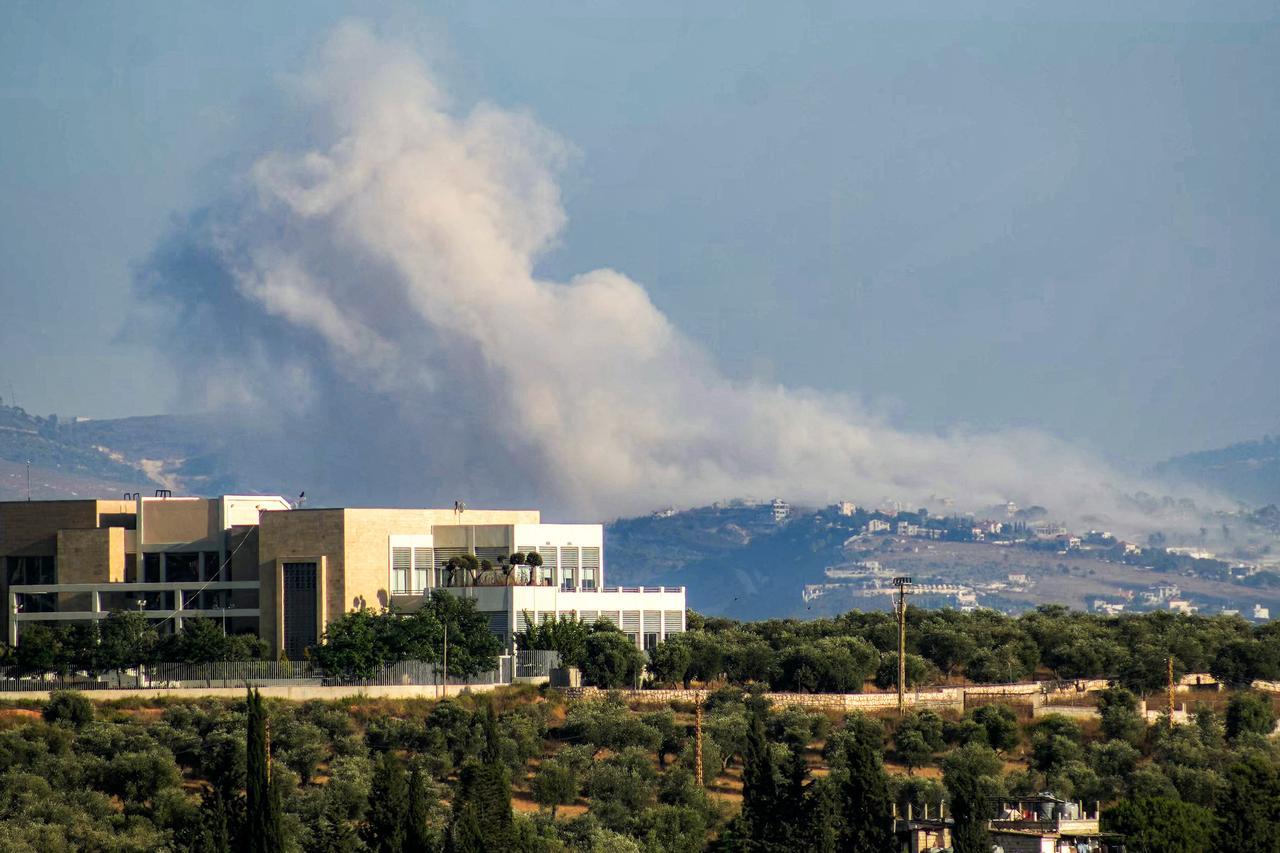
In southern Lebanon on Monday, the BBC said two men were killed in an Israeli air strike in the village of Zebdine, and it said another five people were killed in a strike in the nearby town of Kfar Sir overnight.
Mediation and competing claims
The U.S. mediation effort described in the BBC and NBC News accounts centered on Secretary of State Marco Rubio proposing "gradual de-escalation" to Netanyahu and Lebanese President Joseph Aoun, with a senior Lebanese government official saying it was relying on US mediation to pressure Israel to end its own violations.
NBC News quoted Iran’s foreign ministry spokesperson Esmaeil Baghaei saying Israeli attacks in Lebanon were among factors causing a delay to the diplomatic process to end the U.S.-Iran war, and it said Baghaei reiterated that a Lebanon ceasefire was an integral part of any deal.

In the BBC account, Hezbollah’s role in the wider conflict was framed through Tehran’s position that any ceasefire must include Lebanon, and Foreign Minister Abbas Araghchi said on Monday that "The ceasefire between Iran and the US is unequivocally a ceasefire on all fronts, including in Lebanon."
The BBC also reported that Lebanese Parliament Speaker Nabih Berri said he would guarantee "full and immediate commitment to a ceasefire by the resistance" while placing the burden on Israel to stop "shooting first".
As the diplomatic track moved, the BBC said the Israeli military ordered Dahieh residents to evacuate, while the NBC News report said Hezbollah rejected direct talks and said it carried out 21 operations on Sunday, including firing a rocket salvo at what it described as Israeli military infrastructure in Nahariya.
What’s at stake next
The BBC said the conflict posed a major obstacle to US efforts to forge a deal to end its war with Iran, with Tehran insisting that any ceasefire must include Lebanon and with the US trying to separate events in Lebanon from the negotiations.
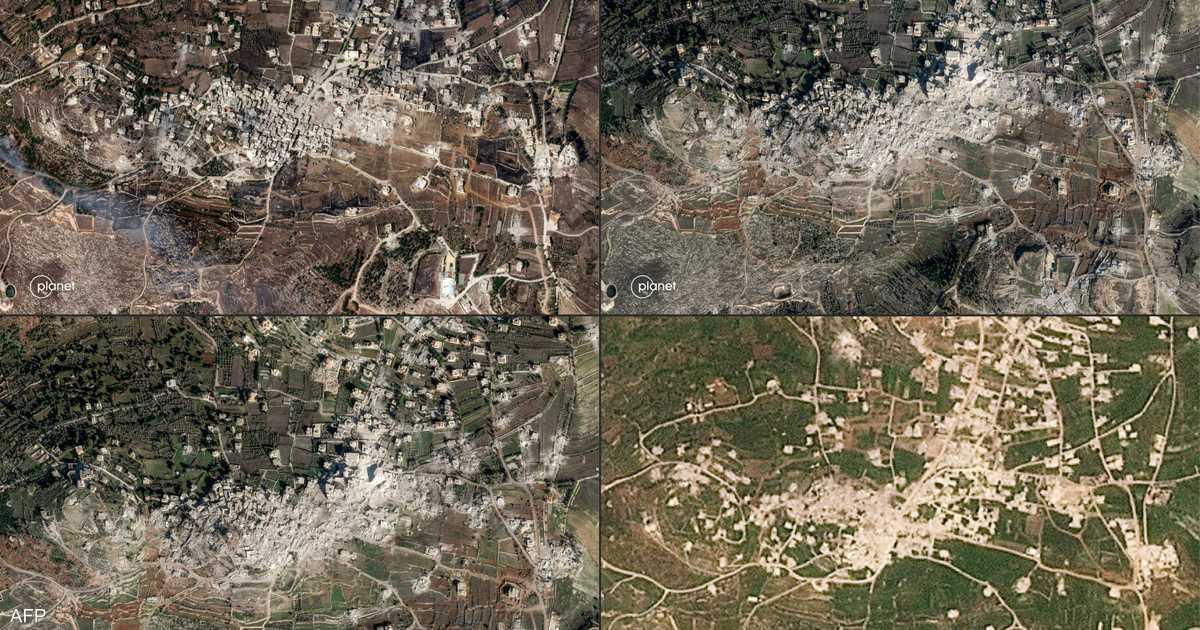
NBC News reported that the Lebanon war has forced more than 1 million people to flee their homes, and it said the fighting has been the deadliest spillover of the U.S.-Israeli conflict with Iran.
The BBC put the scale of the Lebanon war at "At least 3,433 people have been killed in Lebanon since the start of the war, according to the country's health ministry," and it said the figures do not distinguish between combatants and civilians.
The Times of Israel said Israel announced Monday morning it would renew strikes on Hezbollah’s stronghold in southern Beirut after significantly curtailing attacks on the Lebanese capital for weeks, and it quoted Netanyahu saying "There will be no situation in which Hezbollah attacks our cities and citizens while the terror headquarters in Dahiyeh remain off-limits."
AP reported that after Trump said Israel and Hezbollah agreed to dial back fighting, Trump said there would be no Israeli troops "going to Beirut, and any Troops that are on their way, have already been turned back," but it also said Netanyahu confirmed the conversation while casting it as a warning that Israel would strike targets in Beirut if Hezbollah’s attacks do not stop.