Full story
Clearing Ali al-Taher
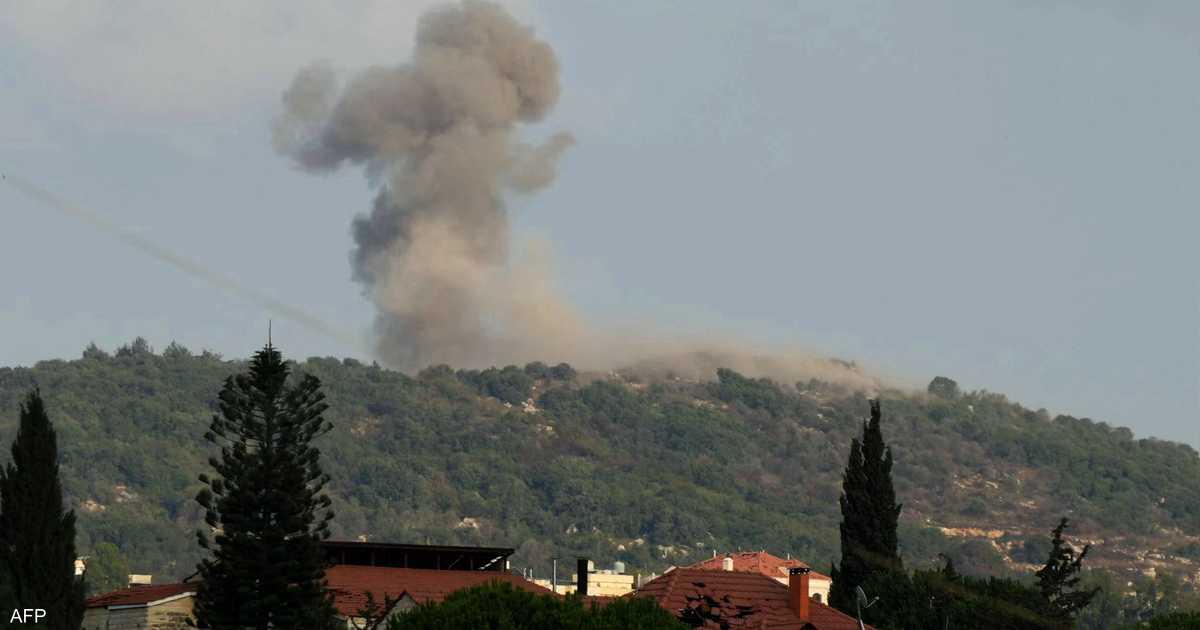
Israeli Prime Minister Benjamin Netanyahu said on Thursday night that the Israeli army has cleared the strategic Ali Taher ridge in southern Lebanon, which he said Hezbollah had developed as an extension of the Beaufort (al-Shakif) position.
“"Today we can say it: the Ali Taher ridge no longer threatens us,"”
Netanyahu said the ridge was used to threaten the northern Israeli settlements of Kiryat Shmona and Metula and declared, "Today we can say it: the Ali Taher ridge no longer threatens us," after the operation.
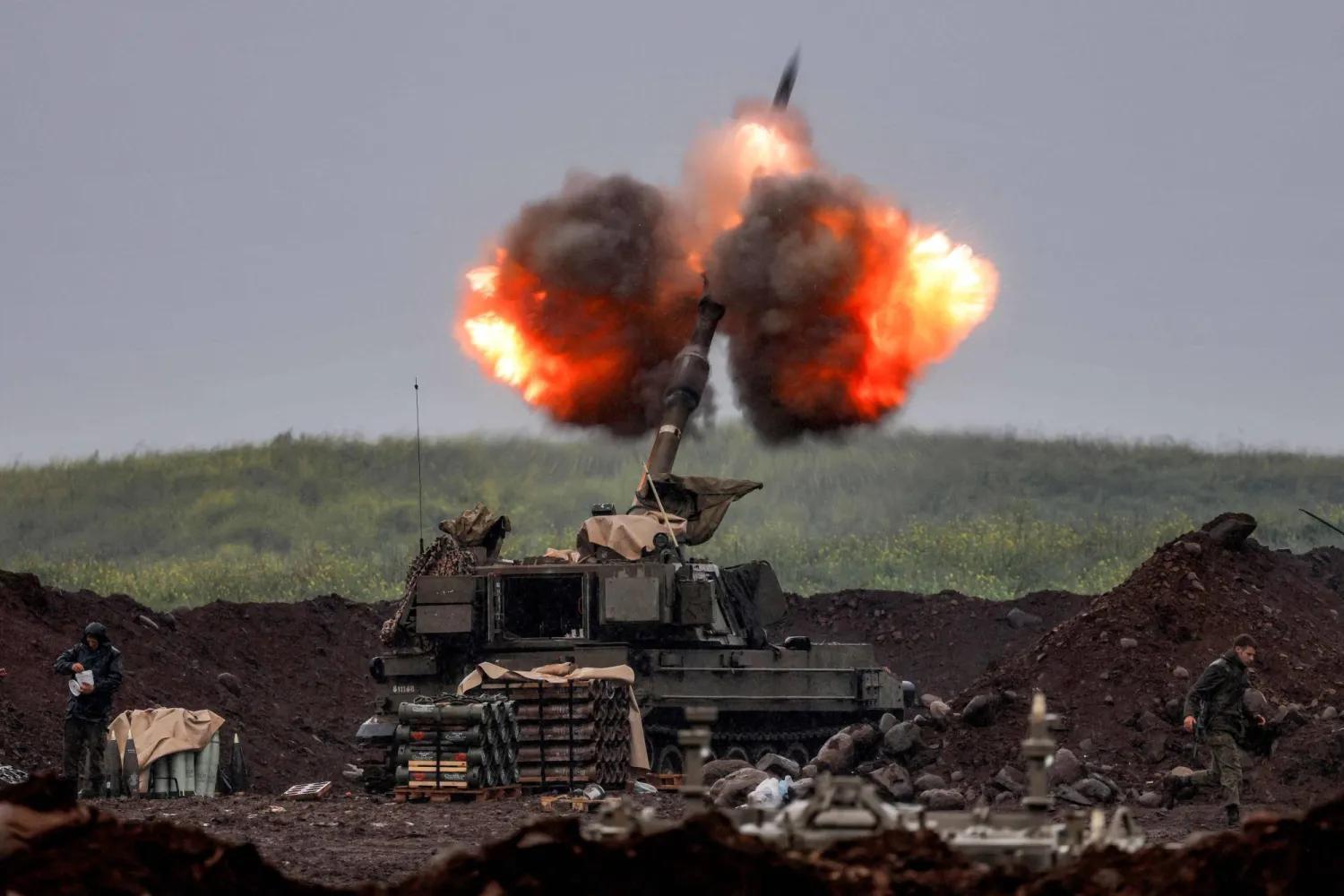
The Jerusalem Post said the IDF announced it had completed the clearance of two Hezbollah underground infrastructures on the Ali al-Taher ridge and that forces were now working to neutralize them.
The Jerusalem Post said the infrastructures were built over a period of about two decades and were planned and funded by Iran, and it described the underground complex as including command rooms, weapons storage rooms, generators, living quarters, showers, and a kitchen.
The IDF said the complex allowed Hezbollah operatives to remain underground for extended periods and conduct combat operations from there, and it said terrorist attack plans against Israel and IDF forces were carried out from the tunnels.
Iran’s warning, IDF’s claims
Reuters reported that Iran warned the United States it would respond forcefully to an Israeli offensive on the mountainous ridge in southern Lebanon where Iranian military personnel were holed up alongside Hezbollah fighters, citing three officials briefed on the message.
Reuters also quoted a White House official disputing the account, saying, "this is not accurate," when asked about the message and whether the U.S. had put pressure on Israel not to attack Ali al-Taher.

The Jerusalem Post said the IDF announced it had achieved operational control of the ridge both above and below ground, and it said the area was cleared of Hezbollah operatives who had been stationed there, with some killed and others fleeing.
The Jerusalem Post said the IDF’s efforts to neutralize the tunnels were ongoing and that once completed, the IDF would redeploy for defensive operations in accordance with its assessment of the situation.
Ynetnews said Brig. Gen. Yiftach Norkin described the site as one of two underground networks where Israeli forces had been operating in recent weeks, and it quoted him saying, "We are effectively completing the clearing and takeover of them," as the IDF continued to neutralize the infrastructure.
Ceasefire, regional stakes
The Jerusalem Post said the military emphasized that operations in southern Lebanon were continuing and that the IDF remained committed to the ceasefire agreement in Lebanon, while it described the Ali al-Taher operation as lasting several months.
“"natural conclusion" that such a warning would have been sent about the ridge”
Reuters said Hezbollah declined to comment on whether Iranian forces were present in Ali al-Taher, and it reported that Hezbollah’s media office told Reuters that it was a "natural conclusion" that such a warning would have been sent about the ridge.
Reuters also said Hezbollah warned that any large-scale attack on Ali al-Taher would mean a return to full-blown war and could see missiles landing on northern Israeli communities.
The Jerusalem Post said the operation began in June with thousands of Israeli troops surrounding the Hezbollah fortress and trapping dozens of militants inside, and it said the ability to carry out additional attacks from the sites was neutralized after operations in recent weeks.
The New York Times said Israel’s announcement on Thursday could test a cease-fire agreement between Israel and Lebanon that Hezbollah was not a party to, and it said there was no immediate comment from Hezbollah or Lebanese officials.