Technology and Science12 October, 20252 min read
New Jersey Declares Emergency as Nor’easter Threatens East Coast; Alaska Floods Destroy Homes
This article is an automated aggregation of coverage from news outlets. Our editorials offer in-depth analysis curated by the NewsCord team.
New Jersey declared a state of emergency ahead of the nor’easter’s arrival. The nor’easter caused coastal flooding, heavy rain, strong winds, and travel disruptions.
13 outlets told this the same way.
East Coast Nor’easter Impact
A powerful nor’easter moved up the U.S. East Coast on Sunday.
“A nor’easter moved up the U.S. East Coast on Sunday, prompting New Jersey to declare a state of emergency.”
New Jersey declared a state of emergency as forecasters warned of significant coastal flooding, strong winds, and heavy rain from North Carolina through the Mid-Atlantic and into the Northeast.
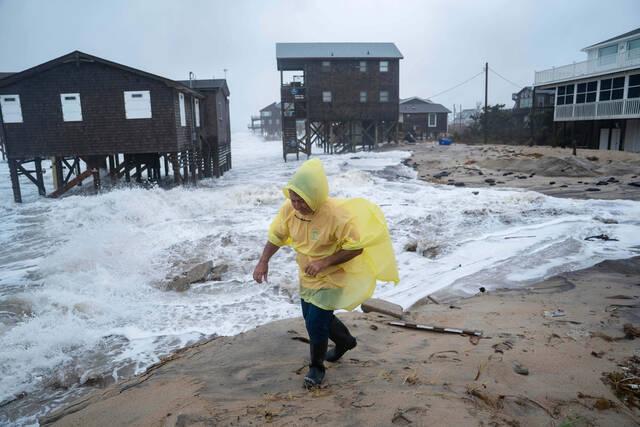
National and local outlets reported widespread travel disruptions and dangerous surf.
New York City was under coastal flood warnings and wind advisories.
Several airports experienced delays and cancellations.
Coverage also noted washed-out roads and flash-flood risk inland.
The slow-moving system battered shorelines and strained stormwater systems across multiple states.
Coastal Storm Emergency Response
New Jersey’s emergency mobilization included activating the state Operations Center, coastal sandbagging, and warnings about moderate to major coastal flooding. Forecasts ranged from up to three inches of rain and 55 mph gusts to as high as five inches and 60 mph along the shore.
Local reports detailed flooding in Atlantic City neighborhoods, storm surge up to the dune line near Ocean City, and multiple road closures. Officials on Long Island’s Nassau County also declared an emergency as high waves and coastal flooding loomed.

Regional Storm Impacts and Responses
Beyond New Jersey, impacts and responses stretched from the Carolinas to New England. Delaware activated its National Guard and issued voluntary evacuations. North Carolina’s Outer Banks experienced ocean overwash and erosion.
“A powerful storm brought heavy rain, strong winds, and coastal flooding from the Carolinas to New England, prompting emergency responses across multiple states.”
South Carolina cities faced flooding and rescues. Utilities across the region mobilized crews as flights from Washington, D.C., to Boston encountered delays and cancellations. New York City and Long Island remained under coastal flood warnings and wind advisories amid high surf and rip-current dangers.
Severe Storm Impact in Western Alaska
Western Alaska experienced hurricane-force winds and severe flooding from the remnants of Typhoon Halong. Remote villages such as Kipnuk and Kwigillingok suffered extensive destruction. Homes were washed away or displaced, and roads and boardwalks were flooded.
There were widespread power outages across the affected areas. Urgent search-and-rescue operations were underway for up to 20 people whose homes floated away.

More than 170 residents took shelter in Kipnuk as waters rose above the highest tide. These highly isolated communities depend on boats and snowmobiles for transportation.
Nor’easter Storm Impact Forecast
Forecasts and timelines vary slightly across outlets, but most expect the nor’easter’s effects to persist into Monday. Some projections indicate improvement by Monday night. Even as conditions ease, authorities warn of major coastal flooding and beach erosion.
“The storm is expected to clear by Monday night.”
They also caution about continued high surf and rip currents. Lingering flight disruptions and possible transit impacts in New Jersey are expected. These differences underline the storm’s evolving nature and the uncertainty in exact rainfall totals and wind speeds across localities.
