Technology and Scienceupdated 22m ago2 min read
Royal Swedish Academy Awards Nobel Prize in Physics 2026 to Belgian Francis Halzen
Francis Halzen awarded 2026 Nobel Prize in Physics for IceCube contributions and high-energy astrophysical neutrinos. IceCube Observatory uses Antarctic ice to detect neutrinos, enabling a new form of astronomy.
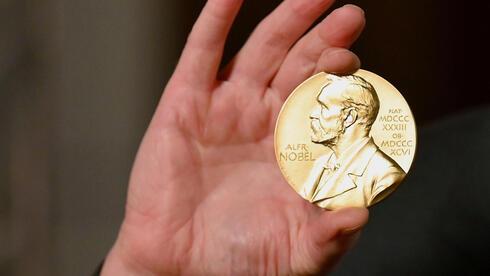
Halzen wins Nobel Physics
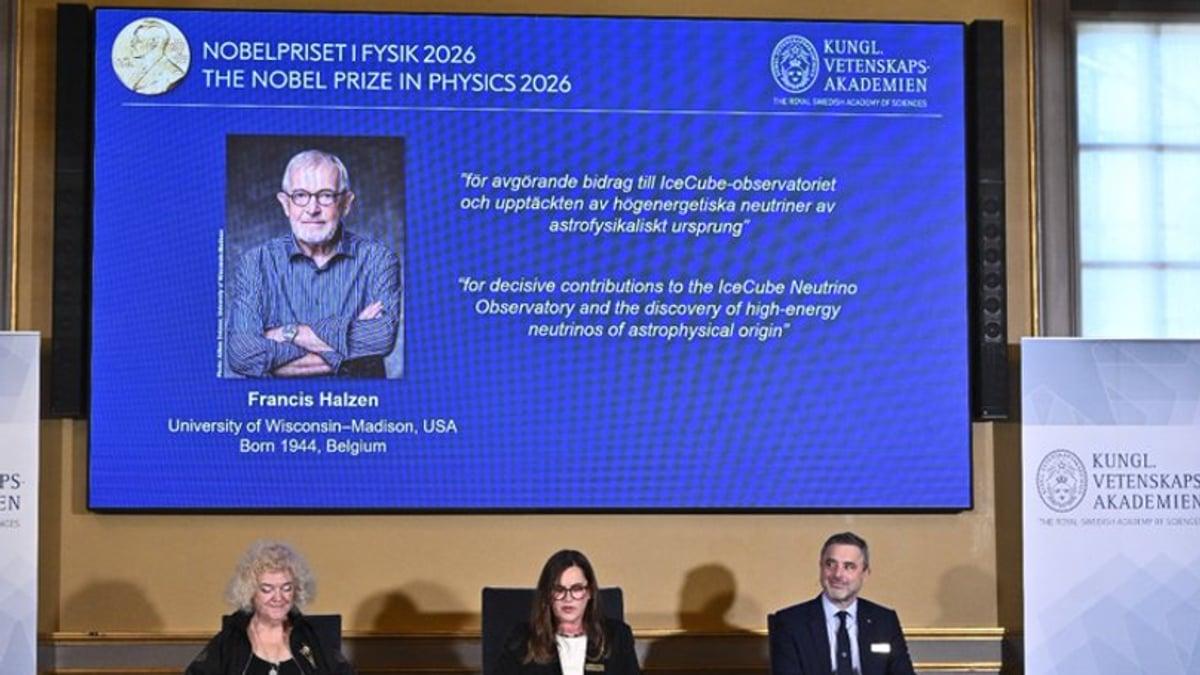
The Royal Swedish Academy of Sciences announced in Stockholm, Sweden on Tuesday that Belgian scientist Francis Halzen won the Nobel Prize in Physics 2026 for decisive contributions to the IceCube Neutrino Observatory and the discovery of high-energy neutrinos of astrophysical origin.
Mark Pearce, Chair of the Nobel Committee for Physics, said, "Francis Halzen has led an international team of researchers and engineers who have provided us with a fantastic instrument."
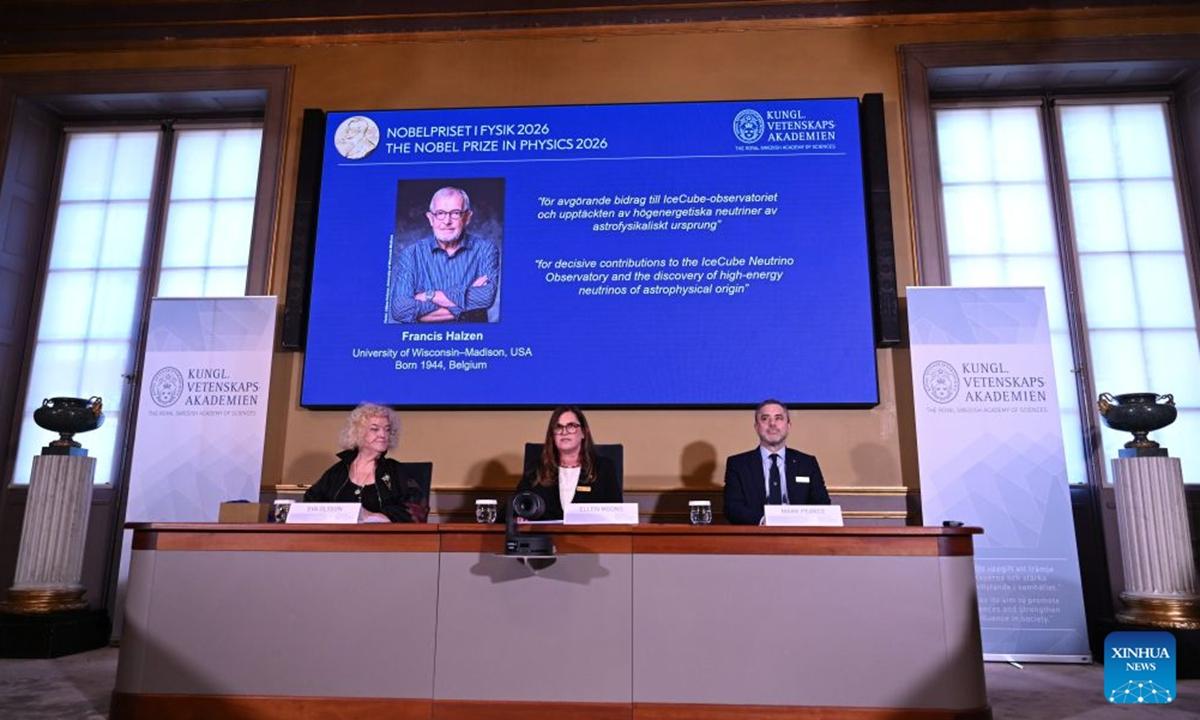
Francis Halzen said in a phone interview with the Academy after the prize was announced, "I didn't expect it. It's a great pleasure to hear about this prize."
The Royal Swedish Academy of Sciences described IceCube as "a cubic kilometre of ice that is equipped with light sensors," and it said researchers can capture neutrinos from extremely energy-rich processes in the distant universe.
IceCube and ghost particles
The Royal Swedish Academy of Sciences credited Halzen with a central role in building the IceCube Neutrino Observatory, which captures neutrinos described as "ghost particles" from space. Eva Olsson, a committee member, said during the news conference, "The messenger is bringing information from cosmos," and she added that "They open the door to distant galaxies and tell us about the processes of exploding stars."
Al Jazeera reported that Halzen spoke to the committee by phone from Italy and said, "It was a great surprise, and I obviously didn’t expect it," during the call broadcast at the news conference. The Nobel Committee for Physics also said Halzen’s work was instrumental to the construction of the IceCube Neutrino Observatory in Antarctica, where neutrinos are detected when they interact with ice and produce a flash of light picked up by sensors.
Prize details and next awards
The Nobel Prize in Physics announcement placed Halzen, 82, as a professor at the University of Wisconsin–Madison in the United States, and it linked the award to "a giant ice cube located at Earth's South Pole" that enables the detection of neutrinos. Anadolu Ajansı said the Nobel Prize in Physics includes a gold medal, a diploma, and a prize of 12 million Swedish kronor, or a little over one million euros, and it described IceCube as using a cubic kilometer of ice equipped with light sensors.
“The next award will be the Nobel Prize in Chemistry, which will be announced on Wednesday in Stockholm.”
The BBC said the Royal Swedish Academy of Sciences described Halzen’s "vision and scientific leadership" as "fundamental for the IceCube Neutrino Observatory," and it quoted Mark Pearce praising Halzen’s "tenacity and scientific vision" as paving the way for a new kind of astronomy. The BBC also said the next Nobel award would be the Nobel Prize in Chemistry, announced on Wednesday in Stockholm, and it noted Nobel laureates would receive their awards in a ceremony on December 10.