
Iran · 19 June, 2026 · 3 min read
Oil Tankers Cross Strait of Hormuz After U.S.-Iran Ceasefire Deal, MarineTraffic Shows
25 commercial vessels crossed the Strait of Hormuz on Thursday, highest since mid-April. Crossings followed the US–Iran ceasefire deal to end the war, per marine trackers.
How Iran/US interim terms handle future fees and control.
9 of 10 outlets skipped it: mines and naval presence expected; avoid Traffic Separation Scheme..
The Jerusalem Post was read line by line by the Watchdog: 7.2. See the score →
18outlets compared
Same story, two versions
tap a side to read it in full
RTE.ie
““opens the possibility for Iran to charge fees ... after 60 days,” it said.”Read the original ↗
One stresses prospective tolling risk; the other foregrounds the 60-day fee-free window.
Traffic returns after ceasefire
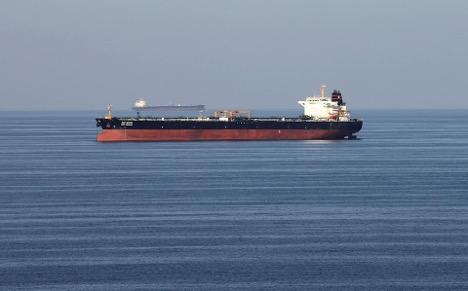
Oil shipments through the Strait of Hormuz picked up after the United States and Iran signed a ceasefire deal, and at least four tankers carrying crude, oil products and liquefied petroleum gas entered the strait on Sunday heading for Iraqi Gulf ports, according to MarineTraffic data.
“At least four tankers carrying crude, oil products and liquefied petroleum gas entered the strait today”
Marine tracking showed 25 commercial vessels crossed the strait on Thursday, the highest number since mid-April, and AXSMarine said on June 18 it observed "25 verified commercial vessel crossings through the Strait of Hormuz".

The reopening remained constrained, with traffic still well below the pre-conflict level of about 120 daily crossings, while the US navy-led Joint Maritime Information Center told mariners to expect naval presence and to avoid the Traffic Separation Scheme because of mine risks.
CNN Arabic reported that three giant oil tankers flying the Saudi flag and carrying about 6 million barrels of crude transited the Strait of Hormuz on Thursday, hours after the memorandum of understanding was signed.C
The immediate context included US President Donald Trump warning he could resume attacks and target Iranian officials if commitments are not honoured, even as the released interim agreement aimed to end the conflict.
Permits, fees, and AIS disruption
Iran signalled tighter control over shipping, with state TV reporting that vessels must coordinate transit with the Revolutionary Guards navy, and Reuters reported that Iran's Persian Gulf Strait Authority said "no vessel is permitted to pass through the Strait of Hormuz without a valid passage permit".
In a notice, the PGSA also said it reserves the right to introduce insurance fees, requiring shipowners to obtain and renew coverage, while shipping groups rejected any fee or toll system being imposed on what they say is an international waterway.
Separately, AXSMarine said the number of crossings on Thursday may be higher because some ships turn off or manipulate their AIS transponder signals to avoid detection while passing through the strait.
Free Malaysia Today reported that Thursday’s spike came amid the largest AIS signal disruption event in the Persian Gulf since the conflict began, with "more than 200 commercial vessels affected simultaneously" by spoofing or abnormal AIS behaviour.
Jakob Larsen, chief security officer at BIMCO, said the body "expects an international coordination body to be established shortly to facilitate transits," even as the International Maritime Organization said more than 500 commercial vessels and about 11,000 seafarers were still stuck in the Gulf.
What’s at stake next
The memorandum of understanding described in CNN Arabic said Iran should allow safe passage for commercial ships through the Strait of Hormuz without fees for 60 days, while the agreement also said Iran and Oman will determine future management and maritime services in consultation with the other Gulf littoral states.C
“without fees for 60 days”
RTE.ie reported that Braemar said the deal "opens the possibility for Iran to charge fees to manage Hormuz transits after 60 days," and it also noted that the risks ranged from mines to the danger of getting stuck in the Gulf should tempers flare and Iran block Hormuz once again.R
The stakes for shipping were immediate because the US formally lifted its blockade of Iranian ports yesterday, but the Joint Maritime Information Center warned mariners to expect mines and naval presence as clearance operations continue.
Chattanooga Times Free Press said Lloyd's List Intelligence reported that for the first time in 110 days, ships owned by major companies were crossing the strait after effectively being marooned there since February, and it cited an estimated 80 mines that need to be cleared.
Looking beyond the corridor, Asia Financial said oil was steady under $80 a barrel as more ships passed through the strait, while it also described the agreement as kicking off a 60-day period for talks on wider issues including Tehran’s nuclear programme.