
Crime · 31 July, 2026 · 3 min read
Peru’s Constitutional Court Annuls Ollanta Humala’s Money Laundering Case, Orders Release
Constitutional Court overturned Humala's 15-year prison sentence for money laundering. Ruling nullified the entire criminal process and ordered archiving the case.
Basis and legal reasoning for annulment.
9 of 10 outlets skipped it: bolognesi says penal type was added in Nov 2016..
10outlets compared
Same story, two versions
tap a side to read it in full
BBC
“Humala is expected to be released from Barbadillo Prison in the capital Lima”Read the original ↗
El Destape urges immediate freedom; BBC says release is expected.
Sentence Annulled
Peru’s Constitutional Court annulled the criminal proceedings against former president Ollanta Humala and ordered his release after it declared the nullity of the entire criminal case brought against him for money laundering tied to election campaign contributions.
“It has been decided to declare the nullity of the entire criminal proceedings brought against Ollanta Moisés Humala Tasso”
The court’s July 15 ruling voided the 15-year prison sentence imposed in April 2025, and it ordered that the case be archived, leaving the investigation and subsequent actions without effect.
Humala, who led Peru from 2011 to 2016, was convicted in April 2025 of accepting illegal funds from Venezuelan President Hugo Chávez and the Brazilian construction company Odebrecht to finance his 2006 and 2011 election campaigns.
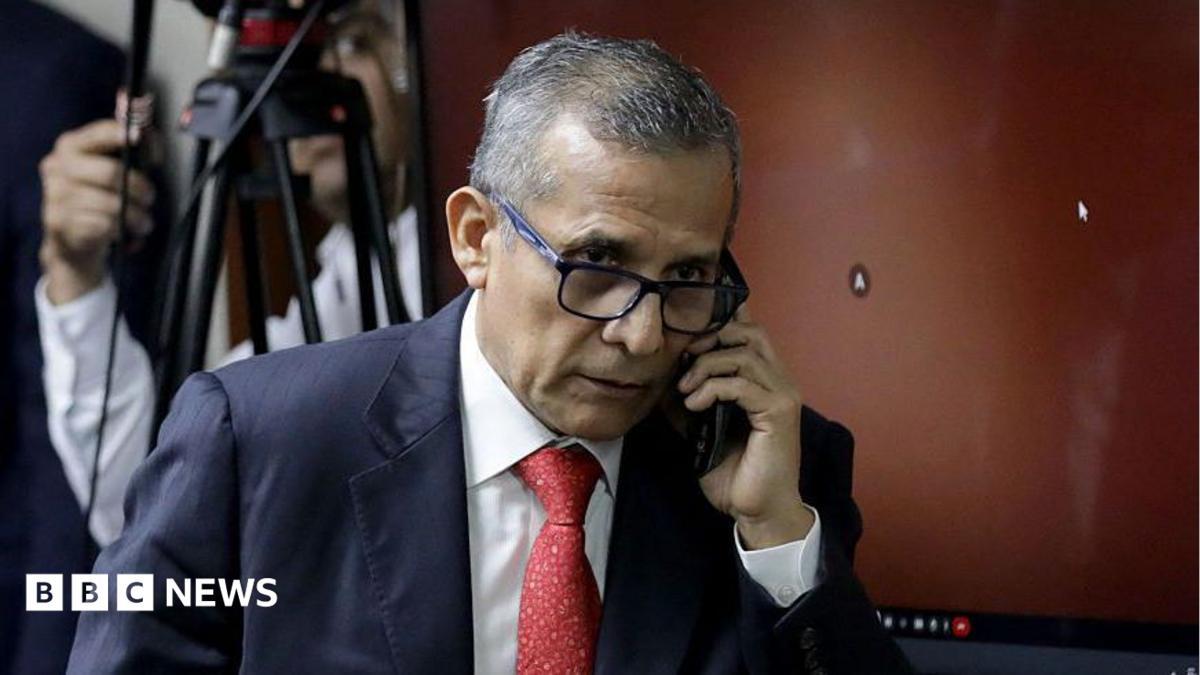
BBC reported that Humala is expected to be released from Barbadillo Prison in the capital Lima, and it quoted his lawyer’s social media post that the contributions his client received on electoral campaigns "do not constitute money laundering".B
In the same BBC account, the Constitutional Court declared the entire criminal proceedings against Humala null and void, and it said the Criminal Chamber currently handling the case must order the definitive dismissal of the proceedings and the "FREEDOM of former President Ollanta Humala".B
Legal Reasoning
Peru’s Constitutional Court said the annulment was grounded in violations of the principles of legality and typicity connected to the right to personal freedom, and it concluded that the offense source of the alleged money laundering was never individualized.
Revista Caretas reported that the TC found that the accusation relied on general inferences about alleged corruption linked to Brazilian companies without demonstrating concretely the illicit origin of the funds or that Humala knew that origin.
The ruling also said it was not coherently proven that Humala knew the illicit origin of the money or could have foreseen it at the time of the events, and it ordered the archive of the preliminary investigation.
El Comercio Perú described the TC’s view that the indictment inferred that the money would come from corruption-related assets of Brazilian entities and that the Ministry of Public Prosecution imputed that Humala was in conditions to presume the illicit origin by receiving large amounts without being banked.
El Comercio Perú further quoted the TC’s conclusion that it had been accredited the violation of legality and typicity principles connected to personal liberty in the process for aggravated money laundering, and it stated that the "fiscalía penal del caso debe emitir la disposición correspondiente que ordene el archivo".
Broader Implications
The Constitutional Court’s decision also affected Humala’s wife, Nadine Heredia, because the annulment covered the entire criminal proceeding and included actions derived from the case, while the ruling noted she had sought asylum in Brazil after the verdict.
“"do not constitute money laundering."”
ENTREVUE.FR said Humala’s release from Barbadillo prison in Lima was expected, and it reported that his lawyer, Julio Espinoza Goyena, posted that the court ruled the campaign contributions "do not constitute money laundering."
ABC Color reported that the Constitutional Court ordered Humala’s release and said the ruling dated July 15 resolved a habeas corpus filed in January by Humala’s defense, finding violations of legality and typicity connected to personal freedom.
The BBC account placed Humala’s overturned conviction within the wider Odebrecht scandal in Peru, noting that Humala was the first of four Peruvian presidents implicated in the scandal and that Alejandro Toledo was sentenced last year to more than 20 years in prison for taking $35m in bribes.
BBC also said the investigation is ongoing for Pedro Pablo Kuczynski, and it recalled that Alan García killed himself in 2019 as he faced imminent arrest over allegations he was bribed by Odebrecht.B