Technology and Science · updated 1h ago · 2 min read
Petrobras Tests Cardano Blockchain To Track Cleaner Jet Fuel And Diesel R
Petrobras tests Cardano blockchain in two projects to track SAF and Diesel R. Projects aim to prevent double counting of environmental benefits and track fuel lifecycle.
11 outlets told this the same way.
9 of 11 outlets skipped it: cardano Foundation says SAF tokens are retired after claim to stop reuse.
11outlets compared
Petrobras pilots Cardano
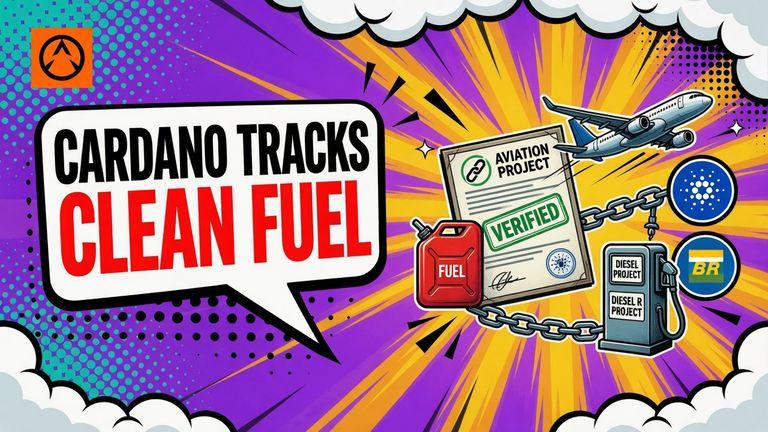
Petrobras is testing the Cardano blockchain in two research projects to track cleaner jet fuel and Diesel R, with the Cardano Foundation describing the work as an early step for on-chain provenance and traceability. The aviation project targets sustainable aviation fuel, and it uses a book-and-claim model to prevent the same emissions reduction from being counted twice. The diesel project targets Diesel R, which Petrobras describes as diesel made partly from renewable materials such as vegetable oils or animal fats, and it would record information at each stage of production, transportation and use.
Frederik Gregaard, chief executive of the Cardano Foundation, told CoinDesk that “Brazil has been one of the most consistent adopters of Cardano, from SERPRO in government to SENAI in industry.” The Cardano Foundation and Petrobras did not disclose fuel volumes covered or a timeline for broader deployment, and the projects remain in the research stage.

How the SAF claims work
The Cardano Foundation says the SAF case study separates fuel use from the allocation of environmental benefits, so an airline can receive the environmental benefit even if the fuel itself is used elsewhere. The SAF workflow records the benefit’s origin and recipient, and it is designed so participants can trace a claim back to the fuel certificate behind it. The case study describes a certificate-checking process that takes place before digital records enter the system, including checks against the Carbon Offsetting and Reduction Scheme for International Aviation, known as CORSIA.
Rafael Fraga, the Foundation’s Latin America business development lead, said, “The energy transition will depend as much on trust as it does on new fuels.” The Foundation’s announcement also describes a passenger-facing application that accepts departure and destination airports, calculates a corresponding SAF allocation, and issues a certificate linked to the original fuel certificate.
Diesel R checkpoints and next
The Diesel R project would create digital checkpoints that collect information at successive stages of production, transportation and use, and the Foundation says connecting those records would create a fuel history for emissions accounts. The Foundation places particular attention on Scope 3, which it describes as covering indirect emissions across a company’s value chain, where the necessary information can sit with other businesses. The Cardano Foundation says the projects are part of an ongoing research collaboration with Petrobras and PUC-Rio’s Ledger Labs, and it frames the diesel model as proposed rather than a disclosed commercial deployment.
The announcement disclosed neither fuel volumes covered nor a timeline for wider use, and it also did not provide transaction counts, addresses, record volumes or a live deployment date. The Cardano Foundation’s SAF case study says certificates become standardized tokens carrying information about their environmental attributes, and it describes retirement as the step that prevents a token from being used again.