Iran03 June, 20262 min read
Prince Reza Pahlavi Criticizes Germany Parade With SAVAK T-Shirts And Emblems
This article is an automated aggregation of coverage from news outlets. Our editorials offer in-depth analysis curated by the NewsCord team.
Prince Reza Pahlavi condemned SAVAK T-shirt parade actions and disavowed endorsement. Supporters wearing SAVAK insignia abroad provoked backlash, with calls for distancing.
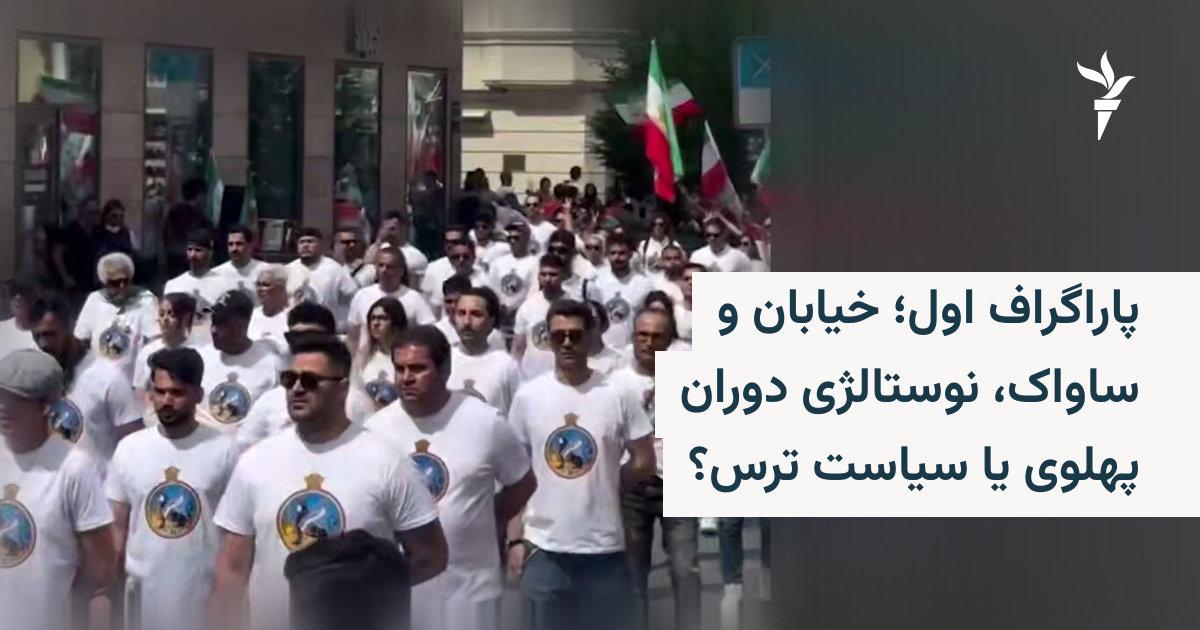
SAVAK T-shirt backlash
Prince Reza Pahlavi criticized a parade in Germany in which some participants appeared wearing SAVAK-emblazoned T-shirts and flags bearing the SAVAK emblem, saying such actions are not endorsed by him. In remarks made on Friday, the first of Khordad, in an online meeting whose video was released on Wednesday, the sixth of Khordad, Pahlavi said, "I don’t know where this story of black T-shirts or wearing SAVAK comes from." He called the action "controversial" and said that given SAVAK's historical background, it "provides ammunition" to those who seek to attack his movement.
“I don’t know where this story of black T-shirts or wearing SAVAK comes from.”
Pahlavi emphasized that if any symbol is to be used, it should be the Lion and Sun emblem and Iran's three-color flag bearing the Lion and Sun. The BBC described the German monarchist rally as a protest called by Reza Pahlavi against the nationwide internet blackout, mass arrests, and ongoing executions, while the parade itself was labeled the "SAVAK People’s Parade."
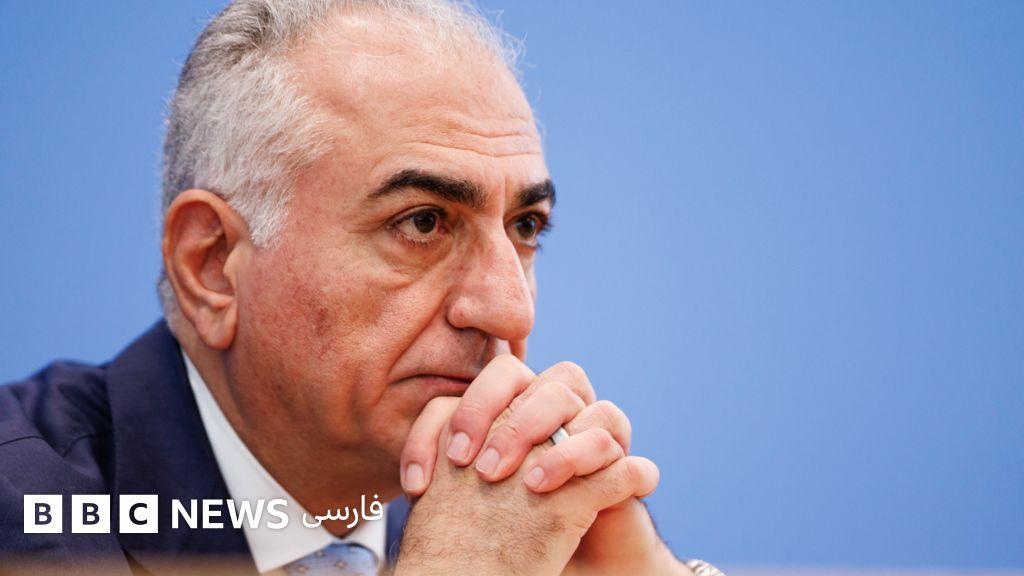
Disavowal and competing narratives
Tabnak, citing Mashregh News, said Reza Pahlavi claimed he had just realized the issue and had no connection with the supporters wearing SAVAK T-shirts in Germany. Tabnak also said Pahlavi had not acknowledged any relation or familiarity with a monarchist campaign that announced solidarity with victims by walking the streets of Europe wearing black T-shirts. In a video message described by Farsnews, Pahlavi tried to repudiate SAVAK and deny wearing clothes bearing SAVAK insignia, while also calling the black-clad individuals and Neo-Savaki supporters "extremist factions."
Farsnews further said Pahlavi disavowed the actions by claiming he did not know where the marches and gatherings wearing black clothes or outfits bearing SAVAK symbols are planned and organized. The BBC framed Pahlavi’s distancing as a response to “extremist factions,” while also quoting him saying, "This does not fall into one of three categories: either it is certainly the work of the security apparatus"—a formulation that placed the blame in multiple possible buckets.
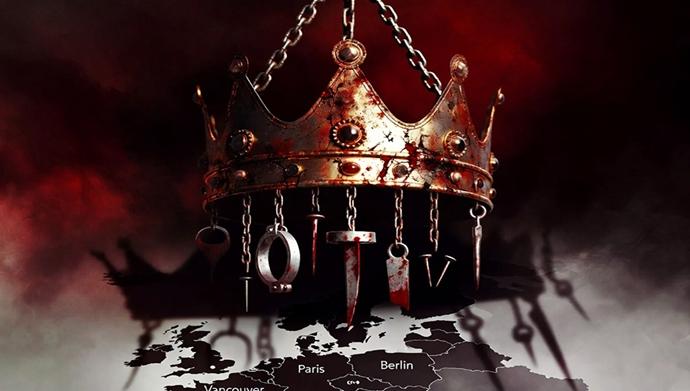
Pressure on a political bid
The Guardian said Reza Pahlavi, Washington-based and 65, was forced to distance himself from SAVAK after supporters glorified it as the defining emblem in their drive to install him on the throne in a royal restoration. The Guardian quoted Pahlavi’s belated denouncement, including his warning that the issue "gives an excuse to those that want to launch attacks on our movement." The Guardian also reported that former Pahlavi allies said his credentials have been undermined by “fascistic” supporters who staged rallies with banners and T-shirts emblazoned with the emblem of the Savak.
It added that Nik Kowsar, a US-based Iranian journalist and caricaturist who abandoned his former support for Pahlavi, said, "The sad thing is Savak was seen as an organisation that was known to torture political activists". The Guardian linked the controversy to broader political stakes by describing Pahlavi’s positioning as “uniquely positioned” to lead a transition to democracy to replace the current Islamic theocracy, while also noting that the US and Israel’s campaign of military strikes was “currently stalled amid a shaky ceasefire and Pakistani-mediated negotiations.”