
Africa · updated 2h ago · 2 min read
Purdue University Study Finds Abydos Servants Deliberately Killed With Head Blows
Skull fractures in Abydos burials suggest servants were executed after pharaohs' deaths Study analyzed 46 skulls from Duckworth collection supporting royal retainer sacrifices
Whether traumatised skulls mean sacrifice for all retainers.
7 of 9 outlets skipped it: possible specific causes: flat wide objects or sharp-force alongside head blows.
12outlets compared
Same story, two versions
tap a side to read it in full
Frontiers
“identified numerous instances of cranial trauma that were likely fatal.”Read the original ↗
The Guardian
“For the crania without trauma, we cannot be certain they were sacrificed.”Read the original ↗
Frontiers presents likely-fatal trauma as key evidence, while The Guardian stresses uncertainty for skulls without trauma.
Abydos retainer sacrifice debate
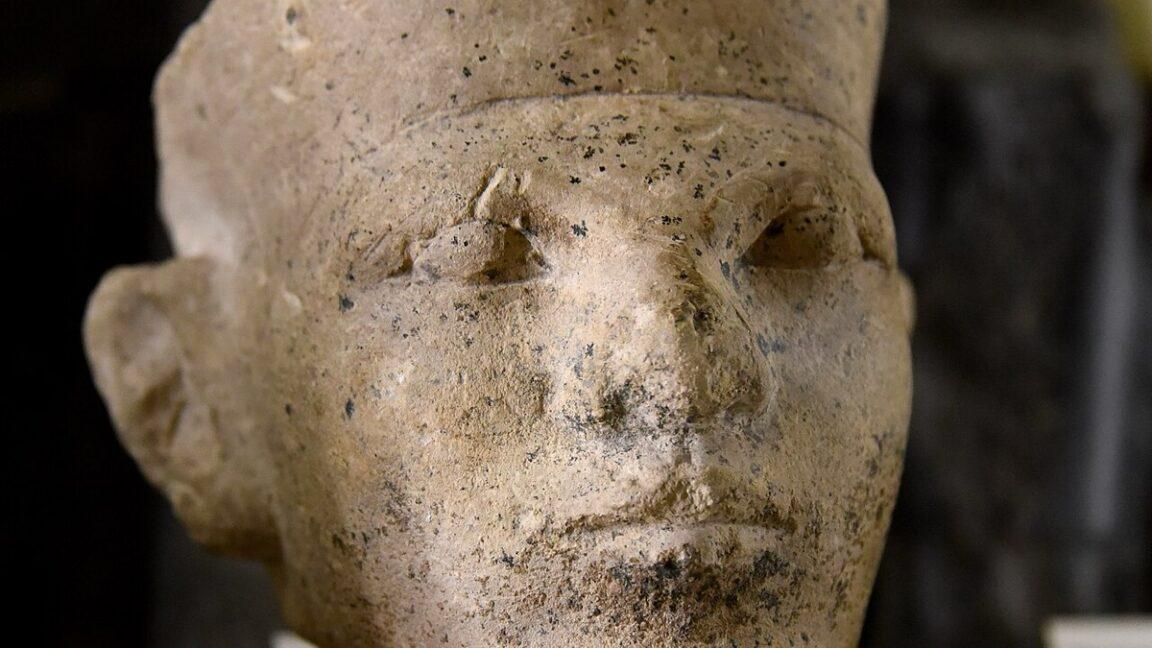
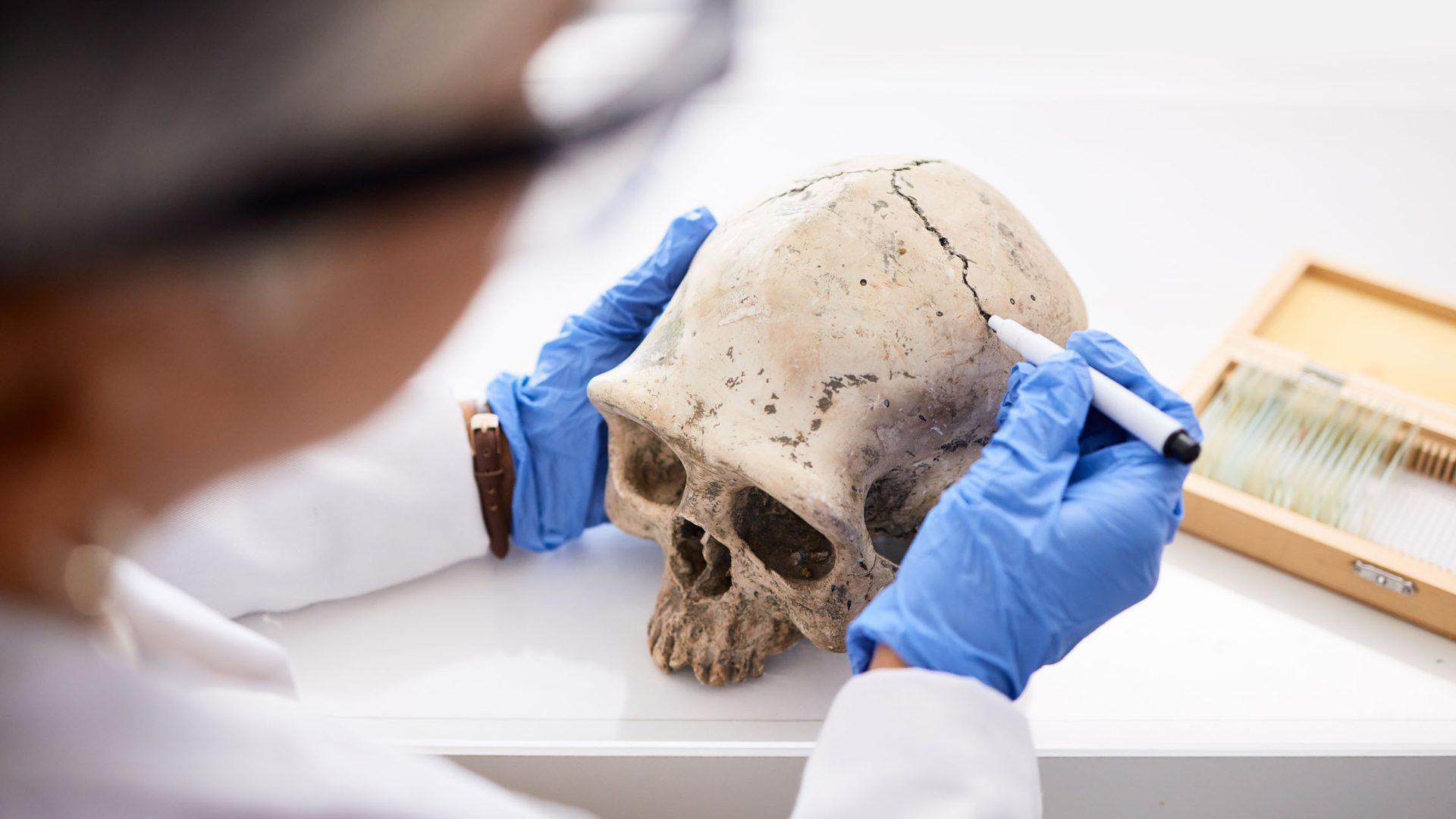
Roselyn Campbell of Purdue University revisited skulls from the First Dynasty funerary complexes at Abydos, where she said at least 39% of the individuals could have been deliberately killed with blows to the head. Flinders Petrie had excavated the graves in the 1920s and suspected that so many people could not have died of natural causes simultaneously, but he found no corroborating evidence of fatal wounds. Campbell found 46 skulls in the Duckworth Collection at the University of Cambridge and re-examined them with modern forensic methods.
Campbell said, “The injuries on the preserved crania are generally linear fractures, which would likely cause rapid unconsciousness, internal bleeding, and death,” and she reported sharp-force trauma on some of the 18 skulls. Campbell also said, “I was drawn to these retainers partly because, although they were buried around royalty, they are mostly relegated to footnotes in the grander narrative,” linking the forensic findings to the identities of royal household members.
What the injuries suggest
Campbell described the Abydos funerary complexes as built around 3000 BCE by the first kings of a unified Egypt, with royal tombs surrounded by chamber tombs, enclosures, and subsidiary burials. Campbell said, “Each subsidiary burial was a simple chamber in a row of dozens of others,” and she described graves that sometimes included a simple coffin and objects such as ceramic vessels, copper tools, projectile points, or small ivory figurines. Campbell argued that the linear fractures she identified were perimortem injuries rather than damage of natural origin, and she reported that at least 18 of the 46 crania showed evidence of significant cranial trauma.
Campbell said, “Retainer sacrifice is a type of human sacrifice where those close to a ruler are killed when the ruler dies,” framing the injuries as consistent with deliberate killing after a king’s death. Campbell also said, “We don’t know how these deaths happened,” noting that Egyptian kings are often depicted smiting enemies with a mace, but the retainers were not enemies and a mace would have caused depressed fractures.
Limits and what remains unknown
Campbell emphasized that the study could not determine what happened to the other retainers beyond the skulls she re-examined. Campbell said, “We also don’t know what happened to the other retainers,” and she described possibilities such as deaths that would not leave skeletal evidence, including suffocation. The Guardian reported that Campbell re-examined skulls from graves surrounding the funerary enclosures of three royals, King Djer, King Djet, and Queen Merneith, using the Duckworth Collections at the University of Cambridge.T
The Guardian quoted Campbell saying, “For the crania without trauma, we cannot be certain they were sacrificed,” and it reported her view that some retainers may have been sacrificed while others were not. TThe Guardian also quoted Campbell saying, “With such a small sample size of the original burial population, we simply can’t see the full extent of these funerary rituals,” while Ars Technica reported Campbell’s broader caution about interpreting violence across cultures.T