Africaupdated 23m ago3 min read
MapTundu Lissu Sentenced To Four Years For Incitement, Acquitted Of Treason In Dar Es Salaam
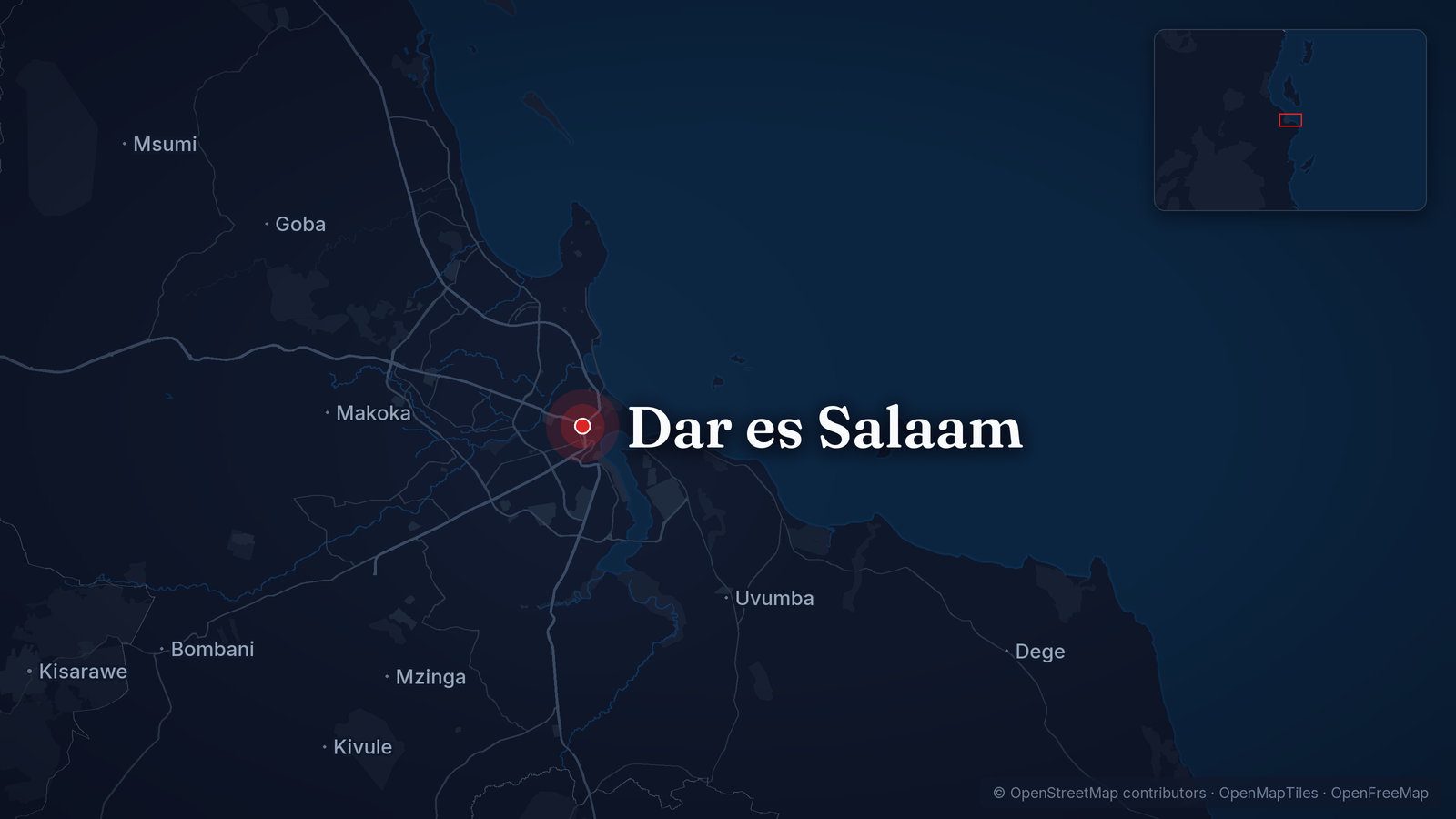
3 Western Mainstream1 Other1 West Asian1 Western AlternativeMap: © OpenStreetMap contributors, ODbL · Cropped for layout
This article is an automated aggregation of coverage from news outlets. Our editorials offer in-depth analysis curated by the NewsCord team.
Tundu Lissu sentenced to four years in prison for incitement. Treason charge dismissed; acquitted for lack of intent to intimidate government.
Save coverage image
Lissu Sentenced, Treason Lifted
A Tanzanian court sentenced opposition leader Tundu Lissu to four years in prison for inciting people to disrupt last year’s election, while acquitting him of treason in Dar es Salaam. The three-judge panel ruled that prosecutors failed to prove he intended to intimidate the government, even though the treason charge carried a possible death sentence. Lissu, the chairperson of the Chadema party, told the court, “Those who are innocent, like me, do not apologize,” and he added, “You have sought out an offense that did not exist, and you have done so following political directives,” he said.
The court proceedings followed Lissu’s arrest on April 9, 2025, after he addressed a rally calling for electoral reforms, and the trial came after he spent more than 18 months in detention. The sentencing also came days after Lissu’s elder brother, Alute Mughwai Lissu, died on Sunday, and Lissu appealed to be released to attend the burial, saying, “Please, let me go and lay Mzee Alute to rest.”
Court Reasoning and Defense
A three-judge panel in Dar-es-Salaam dismissed the treason charge that carried the threat of a death sentence, while jailing Lissu for four years on incitement. One judge told the courtroom, “We are satisfied that through his statements, the accused intended to disrupt elections and instigate violence,” and the judge added, “We sentence you to four years in prison, but the doors are open for appeal.” Lissu responded that the trial was “political persecution,” accusing the judges of following orders from the government of President Samia Suluhu Hassan.
Tito Magoti, a Tanzanian human rights lawyer based in Oxford, UK, said the dismissal of treason was “a major blow” for the state, adding that it showed “there wasn’t any intention to charge him with treason, but rather to put him behind bars.” Al Jazeera’s Catherine Soi reported from Nairobi in neighbouring Kenya that people in Tanzania feared speaking out, saying that if Lissu could be convicted and jailed, “what will happen to ordinary citizens?”
Rights Groups and Wider Fallout
Amnesty International’s Regional Director for East and Southern Africa, Tigere Chagutah, called the conviction and four-year sentence “the culmination of a deeply flawed process that was unjust from the moment of his arrest.” Chagutah said, “He has already spent 577 days in arbitrary detention solely for the peaceful exercise of his human rights,” and he urged the Tanzanian authorities to quash the conviction and sentence and release Lissu immediately and unconditionally. Amnesty International said the proceedings were marred by “serious violations of his right to a fair trial,” including that he was denied confidential access to his lawyers and that live broadcasts of the proceedings were disconnected.
The New York Times reported that the high court in Dar es Salaam said Lissu was guilty of incitement for statements he had made ahead of a presidential election in October 2025, and it said he had urged supporters to boycott and disrupt the vote. The New York Times also tied the case to a wider crackdown, saying protests on Election Day were met with a crackdown by security forces in which “hundreds of people were killed.”