Africaupdated 56m ago2 min read
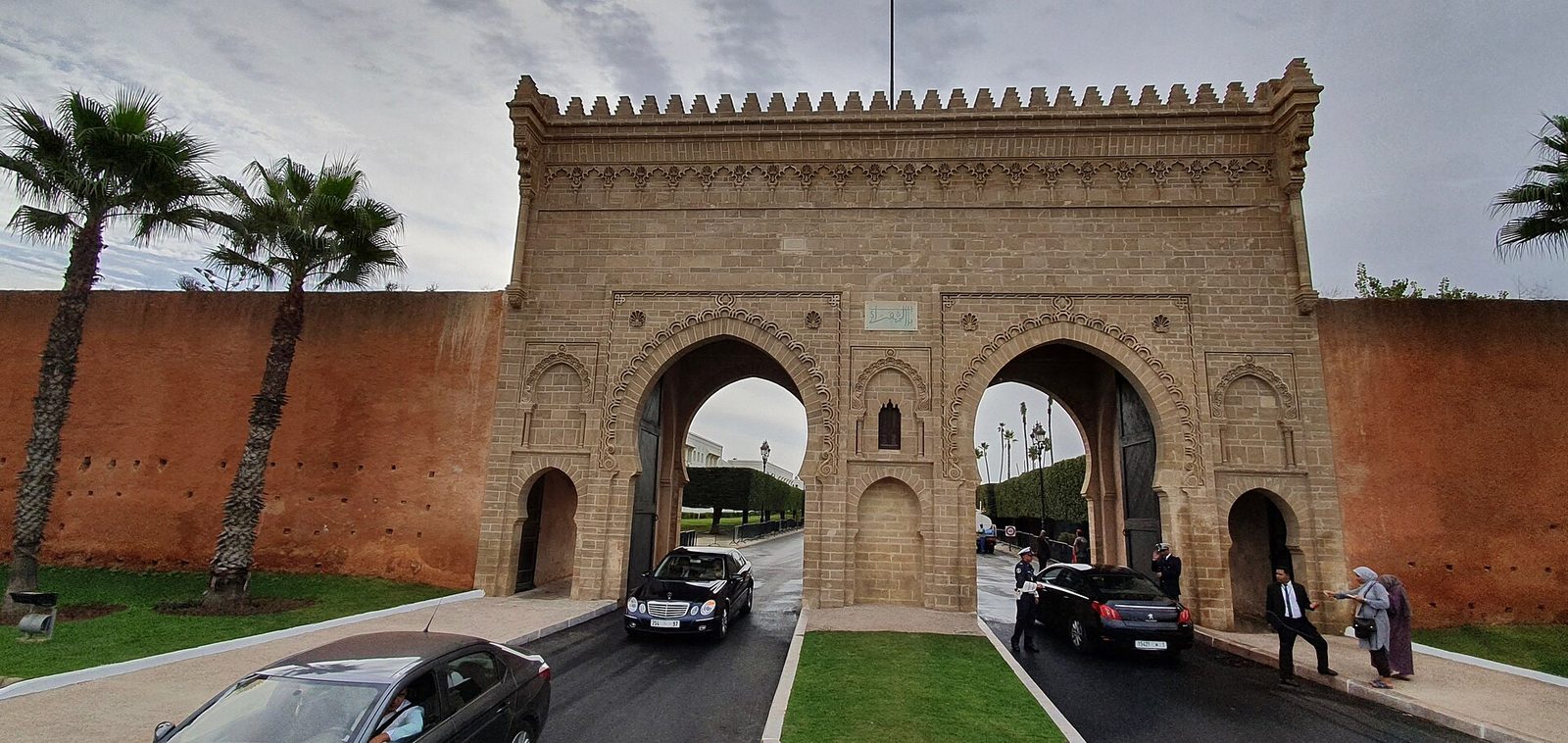
Archive photo · 11 October 2019King Mohammed VI Orders Security Measures in Western Sahara After MINURSO Ends
“the process of ending its peacekeeping mission in Western Sahara”
“preserving its territorial integrity, unity and national security”
Photo: Yair Haklai, CC BY-SA 4.0 · Cropped for layout
This article is an automated aggregation of coverage from news outlets. Our editorials offer in-depth analysis curated by the NewsCord team.
King Mohammed VI orders steps to ensure security in Western Sahara after MINURSO ends Rabat meeting followed up on post-MINURSO arrangements and ceasefire commitments
Save coverage image
MINURSO ends, Morocco acts
King Mohammed VI ordered measures to ensure security and stability in Western Sahara after the United Nations Mission for the Referendum in Western Sahara (MINURSO) ended, reaffirming Morocco’s commitment to a ceasefire. The Moroccan Royal Court said the King chaired a working session at the royal palace in Rabat to follow up on developments after MINURSO’s mandate ended because the UN Security Council did not renew it. The King directed the Ministry of Interior, through its "Office for Coordination with MINURSO," to coordinate and accompany the process of winding down MINURSO’s activities and its withdrawal.
The UN announced the start of winding-down procedures in Western Sahara, including the transfer of MINURSO’s equipment and property, after MINURSO’s operations were halted due to the Security Council’s failure to renew its mandate. The UN Security Council voted on October 31, 2025 in favor of a draft resolution submitted by the United States calling the parties to "take into account the Moroccan autonomy proposal" as a basis for a final political solution.
Rabat’s priorities, UN liquidation
Morocco’s King Mohammed VI emphasized strict respect for Morocco’s territorial integrity, national security, and the peace of mind of citizens in the southern provinces during a working session at the Royal Palace in Rabat. The Royal Palace said the meeting was attended by Head of Government Fatima Ezzahra El Mansouri, the King’s Advisor Fouad Ali El Himma, Interior Minister Abdelouafi Laftit, and Army Corps General Mohammed Berrid. The UN confirmed it had begun the process of ending its peacekeeping mission in Western Sahara after Russia and the United States vetoed each other’s draft resolutions on extending the 35-year-old deployment.
Stéphane Dujarric, the spokesman for UN Secretary-General Antonio Guterres, said a team of UN support staff would oversee the withdrawal of MINURSO. Guterres urged that the rights of the people of Western Sahara, including their inalienable right to self-determination, be respected and promoted, while he warned of the risk of an escalation in hostilities.
Stakes after the mandate
The end of MINURSO’s mandate shifted the dispute’s management away from UN monitoring, with Morocco presenting the ceasefire as a voluntary commitment that will not change with MINURSO’s mandate ending. The Royal Court said MINURSO had repeatedly failed to monitor compliance with the ceasefire and to order implications for violations, and it said the mission’s original functions had been surpassed by events and the positions of international actors. The UN said the mandate expired on Saturday after Russia vetoed a US draft resolution to renew it, and the UN entered a liquidation period with a reduced team overseeing the transfer of military equipment and other assets.
The Polisario Front condemned the US proposal, and Sidi Omar thanked Russia for vetoing it, saying it would "torpedo the foundations of the UN peace process" and threaten regional and international peace. Russia’s permanent representative Vassily Nebenzia said, "The Security Council cannot automatically pre-determine matters relating to sovereignty," while the US Ambassador Mike Waltz said some members used their veto to preserve the letter "R" for the referendum.