Iran25 September, 20262 min read
Qatar PM Says Indirect Talks Between Tehran And Washington Make Progress On Strait Of Hormuz
This article is an automated aggregation of coverage from news outlets. Our editorials offer in-depth analysis curated by the NewsCord team.
Qatari PM says indirect Tehran-Washington talks are making progress. Iran proposes new talks within seven days to reopen the Strait of Hormuz.

Indirect talks, Hormuz pressure
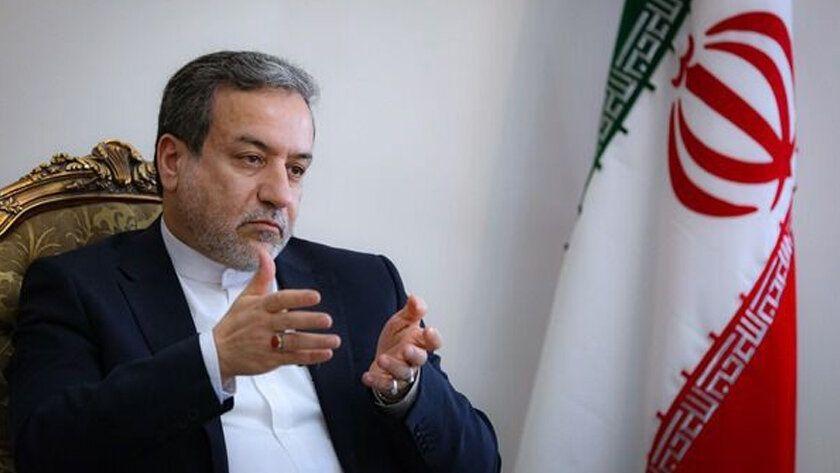
Qatari Prime Minister Sheikh Mohammed bin Abdulrahman Al Thani said Doha has made progress in the indirect talks between Tehran and Washington and called on ending the manipulation of sea passages, stressing that the situation in the Strait of Hormuz is unacceptable. Sheikh Mohammed bin Abdulrahman Al Thani told CNN that the blockade on the Strait of Hormuz is pressuring Iran and placing pressure on Gulf states, and he said the developments in the strait do not put Tehran under pressure alone but affect the whole world. Iranian Foreign Minister Abbas Araghchi told The Washington Post that Tehran conveyed a proposal to the United States to resume negotiations and reopen the Strait of Hormuz within seven days to end the full-scale conflict.
A US official, speaking on condition of anonymity, said Washington was engaged in "positive and constructive" talks through the mediation of a third party. Abbas Araghchi said Iran was awaiting Washington’s response and considered it appropriate for negotiations to resume before the US congressional elections scheduled for November.
Oil markets track diplomacy
U.S. crude oil posted a sharp loss for the week after Tehran and Washington held discussions on the sidelines of the U.N. General Assembly in New York City.
West Texas Intermediate dropped 2.3% to close at $92.41 per barrel and Brent declined 2.1% to settle at $104.32.
Negotiators were discussing a stepwise pact aimed at winding down hostilities, with markets treating even preliminary signals as a reduction in geopolitical risk.
Crude CL1! had been trading near $96.76 a barrel and slid as futures fell to $93.62.
Sequencing remained the central obstacle because neither government wants to relinquish leverage first, leaving the talks fragile and any agreement contingent on simultaneous, verifiable steps rather than unilateral concessions.
Phased deal and regional stakes
Iranian Foreign Minister Abbas Araghchi told reporters Thursday at the U.N. that Tehran has offered to open the Strait of Hormuz in seven days if the U.S. meets the conditions in the interim peace deal reached in June. Abbas Araghchi said Iran would restart talks to reach a final deal if the U.S. implements the MOU conditions, and he told reporters, "We are not in a hurry." Saudi Arabia and the United Arab Emirates urged Washington to maintain sanctions and its naval blockade of Iran, complicating efforts to restart peace talks as attacks threaten their oil exports.
A White House official said, "While President Trump is open to talking with Iran under the right circumstances, he has no need to negotiate with the Iranians," and mediators including Qatar were seeking talks in Oman as early as next week to reopen the Strait of Hormuz. A coalition of 80 countries called Thursday for the urgent reopening of the strait, and Bahrain’s Foreign Minister Abdullatif bin Rashid Al Zayani said, "We call for the full restoration of navigational rights and principles without delay," in a joint statement at the General Assembly.