Iran22 September, 20263 min read
Recep Tayyip Erdoğan Calls To Abolish UN Security Council Veto Privilege
This article is an automated aggregation of coverage from news outlets. Our editorials offer in-depth analysis curated by the NewsCord team.
Erdogan called for UN Security Council reform removing the veto privilege of permanent members. He argued the current system fails to reflect today’s global realities.
7 outlets told this the same way.
Outlets did split on Iran Reviews US Negotiation Proposals As Pakistan And Qatar Mediate Strait Of Hormuz Dispute →
Erdoğan targets veto privilege
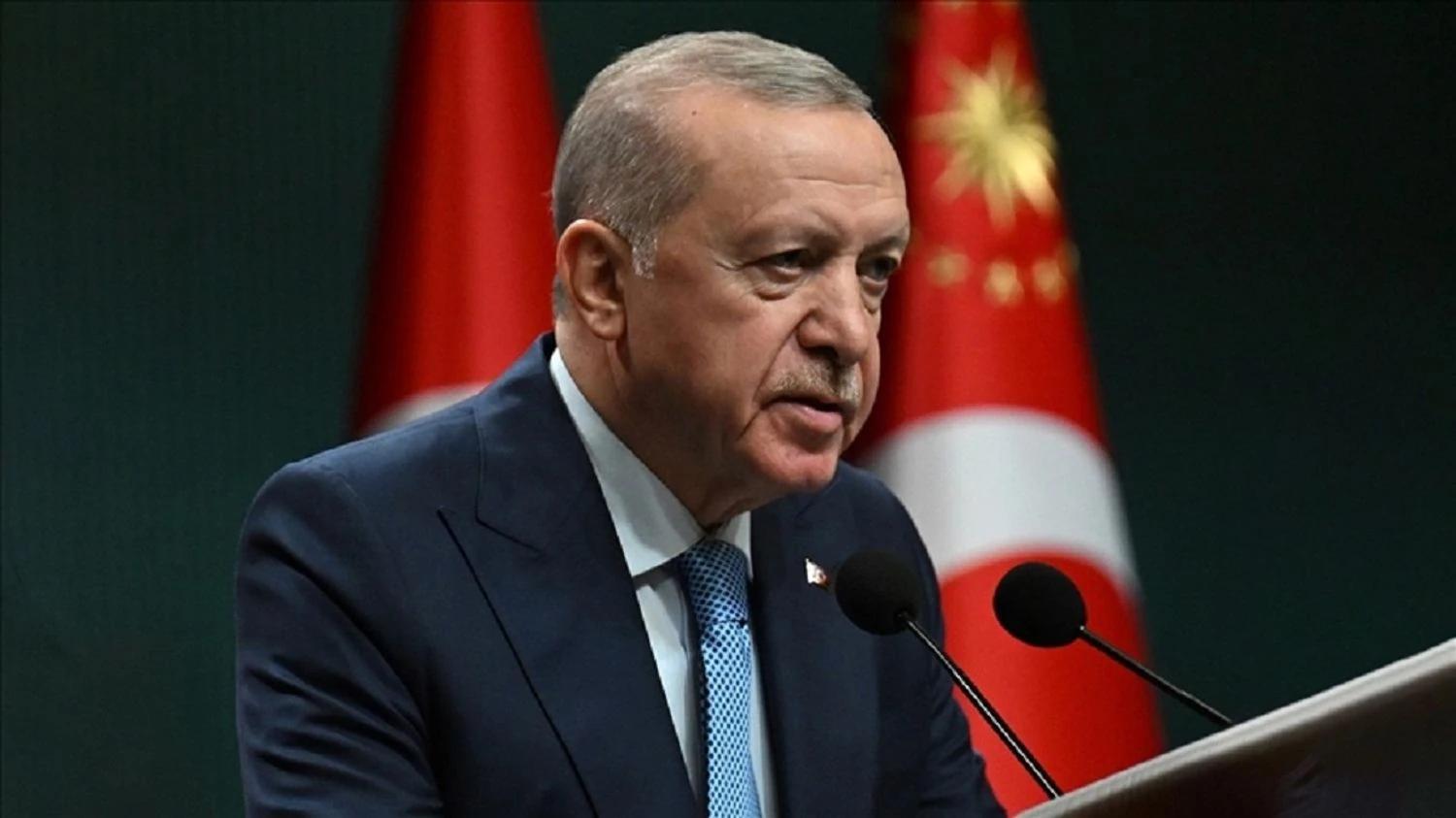
Turkish President Recep Tayyip Erdoğan called for comprehensive reform of the UN Security Council, including the removal of the veto power held by its permanent members, arguing that the international system must better reflect today's global realities. Erdoğan said, in an article for Bloomberg titled "The Quest for Global Justice in a Changing World," that "a more effective, fair and accountable" system of representation was necessary and called for broader participation in global decision-making. Erdoğan argued that simply adding new permanent members would not resolve the concentration of decision-making power in the hands of a small number of countries, and he said reform should instead be based on the principle that no country should have the permanent ability to block the will of the majority of the international community.
“At the center of this roadmap should be the abolition of the veto privilege.”
Erdoğan also framed Türkiye's long-running slogan "The world is bigger than five" as an appeal for a broader distribution of responsibility in the international system, and he said it should be understood as a call for broader participation. Erdoğan said, "It is essential to turn the need for reform into a concrete roadmap," and he placed "the abolition of the veto privilege" at the center of that roadmap.
Africa presses for seats
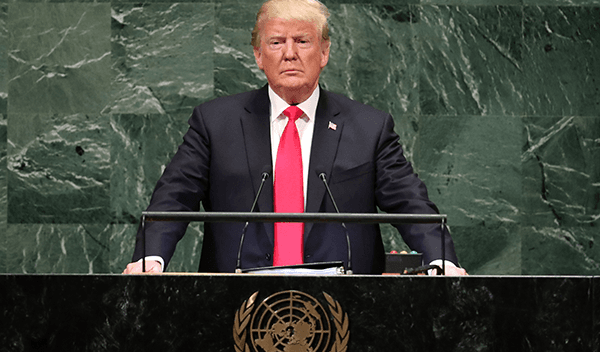
The opening of the General Debate of the 81st United Nations General Assembly brought Africa's demands for Security Council reform back to the diplomatic fore, with the African Union launching a coordinated offensive in New York to demand structural change. The African Union reaffirmed the benchmarks set out in the Ezulwini Consensus (2005) and the Sirte Declaration, establishing the continent's non-negotiable terms: at least two permanent seats with full prerogatives, including the veto power for as long as it exists, alongside five non-permanent seats. The African Union's position emphasized that representation was a matter of demographic and geopolitical legitimacy, and it argued that Africa refuses to remain merely the subject of Council resolutions without binding capacity to formulate or block them.
Washington reiterated verbal support for allocating two permanent seats to the African continent, while its proposal included a caveat of granting those seats without veto rights, which Addis Ababa viewed as a superficial concession. Russia and China combined rhetorical alignment with the Global South while resisting altering the institutional privileges of the P5 or opening the UN Charter to binding amendments.
Iran meeting tied to reform
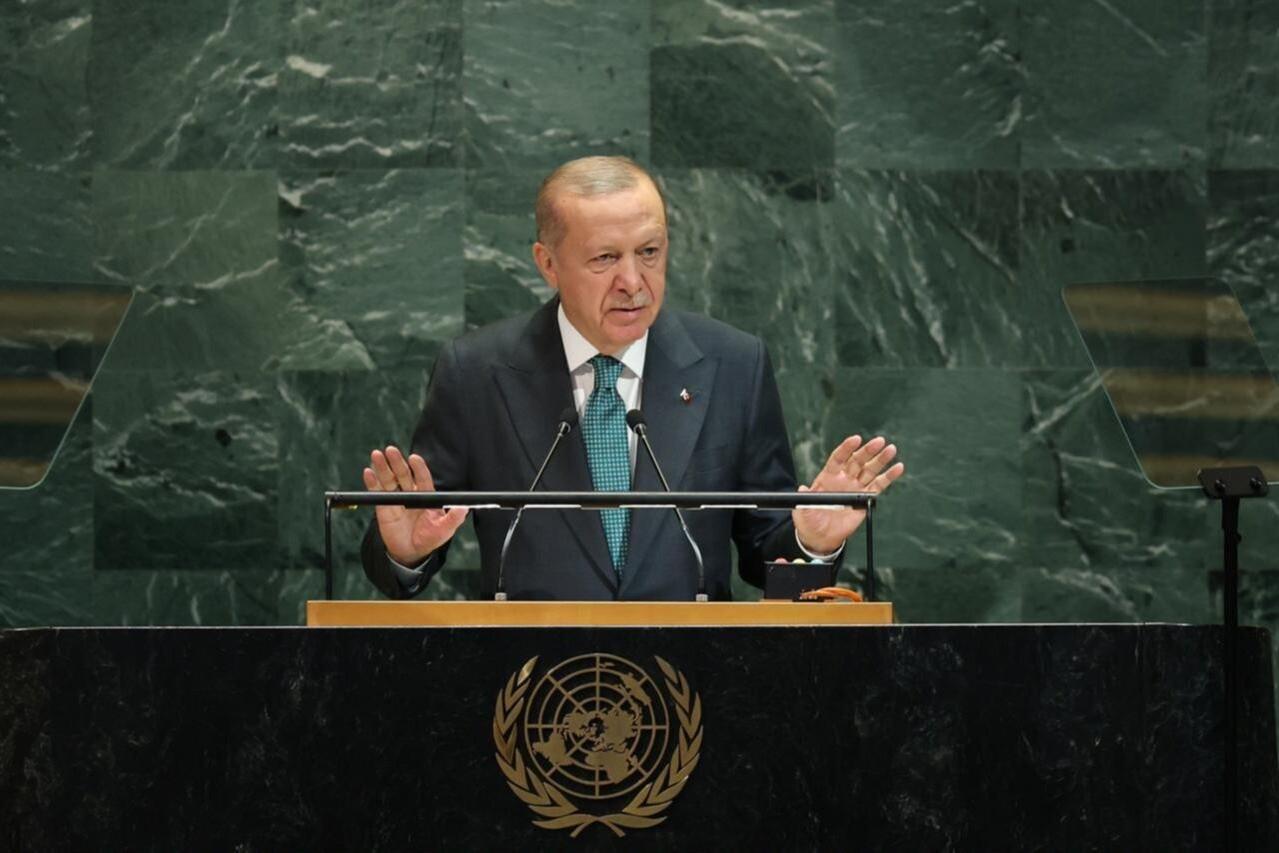
Hervé Verhoosel analyzed the effects of the UN system's lack of reform in a commentary that referenced a UN Security Council meeting devoted to the situation in Iran at United Nations headquarters in New York on Jan. 15, 2026.
Verhoosel wrote that he spent nearly twenty years inside the United Nations system, moving between Geneva, Africa, and New York, and he described watching things work and watching things stall.
Verhoosel linked the UN's lack of reform to Washington's unilateralism, and he framed the UN Security Council's meeting on Iran as part of the broader consequences of an unreformed system.
Erdoğan's reform agenda, including strengthening the General Assembly and creating a Security Council without permanent memberships, echoed the argument that the international order of the future could not be built by preserving the hierarchies of the past.
Erdoğan said, "Representation and accountability of the Security Council before the General Assembly should be enhanced," and he argued that the international order could not be built by preserving the hierarchies of the past.