Europe · 06 August, 2026 · 3 min read
Romania Sinks Four Rock-Filled Barges To Keep Cernavodă Nuclear Plant Second Reactor Running
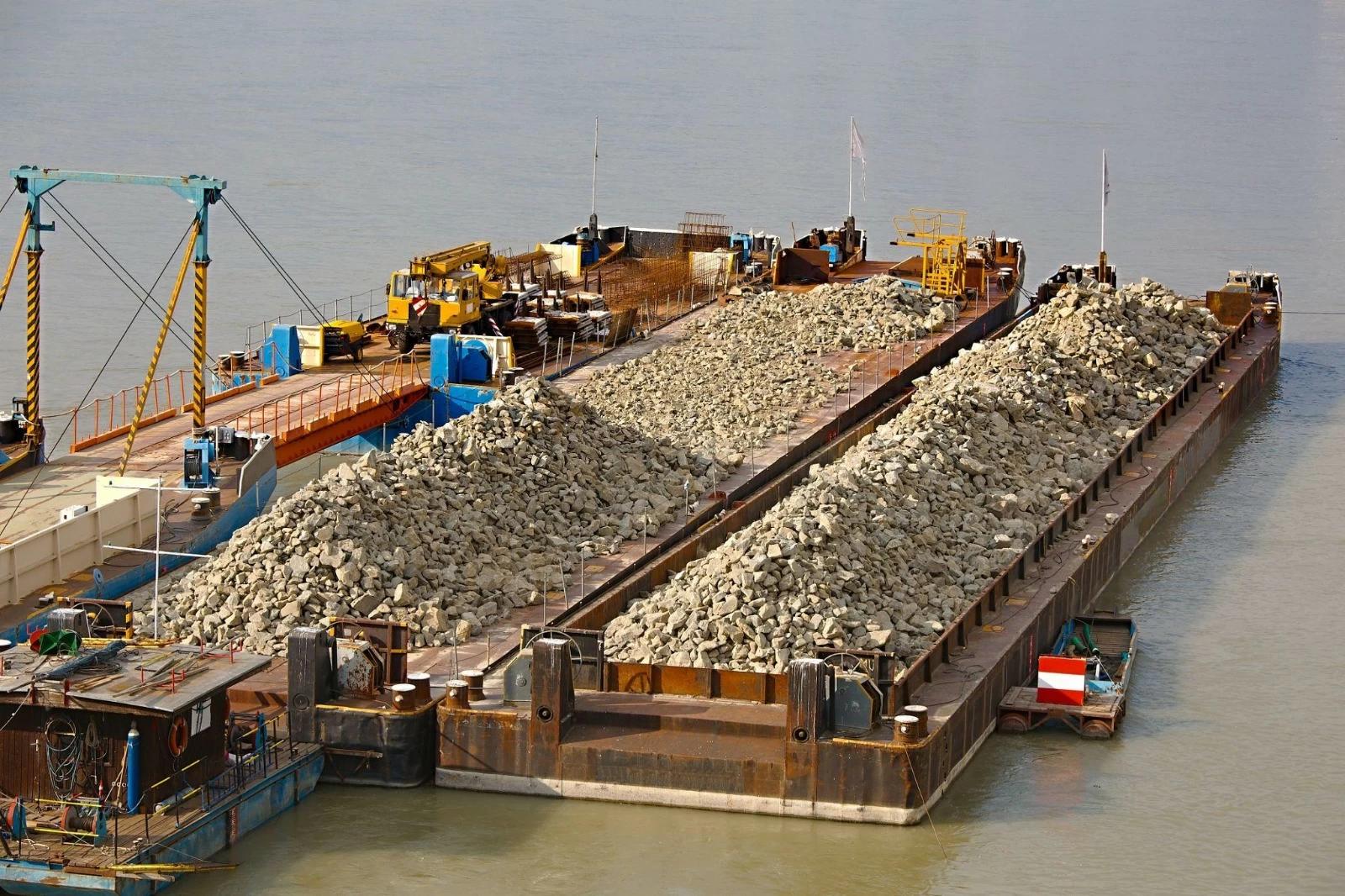
Romania sank four rock-filled barges in the Danube to divert water to Cernavodă's second reactor Plan was delayed to Friday due to unsafe conditions amid record-low Danube levels
12 outlets, one story, no spin found.
8 of 9 outlets skipped it: hungary optimistically reports Paks water level is above critical threshold.
12outlets compared
Danube drought threatens Cernavodă
Romania moved to keep its Cernavodă nuclear plant’s second reactor running as record-low Danube water levels forced the shutdown of one reactor and raised the risk of another shutdown. The plan centered on sinking four rock-filled barges into the Danube to redirect cooling water toward the plant, with Reuters saying Romania delayed the effort until Friday citing unsafe conditions. Reuters reported that the Danube’s flow in Romania fell to an all-time low on Thursday of 1,400 cubic metres per second, about a third of its usual August average.
Prime Minister Ilie Bolojan said on Thursday that the government prepared a system to cut power for industrial consumers in stages and with prior notice if needed, adding no such cuts were expected for the next 5-7 days or as long as the nuclear reactor kept running. Romeo Urjan, the plant’s director, told Digi24 that if the barges generate a water surplus the deadline extends to nine to 10 days, rather than five to six days without them.
Urjan, Bolojan, and ING
Romeo Urjan told Digi24 that the impact of submerging the barges would be felt a day later, while Reuters said the company could shut the remaining reactor in five to six days unless the sunken barges work.
Urjan also said, "If the barges generate a water surplus this deadline extends to nine to 10 days," framing the barges as a short-term extension rather than a permanent fix.

Prime Minister Ilie Bolojan announced a nationwide state of alert in the energy sector on Jul. 31 and appealed again on Thursday for voluntary limits on electricity usage in peak evening hours, with the sinking of the barges expected to last till Friday.
ING Bank cautioned in a note that "Blasting rock out of a riverbed may keep a reactor operating for a few more days," while Reuters reported that the works bought some time amid limited energy imports.
The Reuters account also tied the cooling-water problem to cross-border constraints, saying hydropower plants were suffering from the drought and energy imports were limited by similar conditions in neighbouring countries.
Ripple effects across Europe
The Danube crisis also threatened Hungary’s Paks nuclear power station, with Euronews reporting that Prime Minister Péter Magyar was optimistic about a restart as water levels slowly rose. Euronews said Magyar wrote on X that "we are now nine centimetres above the Danube’s Sunday low" and that the turbine at Paks was operating, while still urging people to cut consumption voluntarily. In Romania, the emergency measures included dredging and the planned barge sinking to maintain flow for the second reactor, as Reuters described the race to divert water from the drought-hit river.
CBS News reported that Hungary’s only nuclear power plant was on the brink of completely shutting down, saying as of Wednesday morning three of the plant’s four reactors were not in operation while one continued at approximately 50% power. The broader stakes were reflected in CNBC’s description of low-water impacts on energy and trade, including that the Rhine’s water level at Kaub fell to 24 centimeters on Monday and Tuesday, far below the critical level of 78 centimeters at the Kaub gauge for navigation on the Rhine.