Africa13 July, 20263 min read
Russia Abstains as UN Security Council Adopts Morocco Autonomy Plan for Western Sahara
This article is an automated aggregation of coverage from news outlets. Our editorials offer in-depth analysis curated by the NewsCord team.
Morocco pursues Western Sahara autonomy plan through broad international diplomacy. European Union silence and support influence Sahara diplomacy strategy.

Sahara diplomacy and abstentions
At the UN Security Council on October 31, 2025, Russia did not block a resolution favorable to Morocco’s autonomy plan for Western Sahara, and the text was adopted by 11 votes while Moscow, Beijing, and Islamabad abstained. Afrik says the abstention amounted to tacit approval and that it followed “meticulous preparation,” including a trip in early October 2025 when Moroccan Foreign Minister Nasser Bourita traveled to Moscow to meet his counterpart Sergei Lavrov. The same article links Morocco’s diplomatic push to American support, including that on August 2, 2025 the American president reaffirmed the United States’ recognition of Moroccan sovereignty and that on September 25 White House adviser Massad Boulos announced Washington encouraged American investments in all of Morocco, including the Western Sahara.
Afrik also says discreet ships unloaded Russian petroleum products at Moroccan ports of Jorf Lasfar and Mohammedia in recent months, and it adds that Reuters confirms Morocco is now a key waypoint in a bypass economy. It further frames Algeria’s stance as a legal counterweight, saying President Abdelmadjid Tebboune reaffirmed Algeria’s position during a visit with Italian Prime Minister Giorgia Meloni and that Algeria refused to participate in the October 31, 2025 vote.

Sansal case and France
In an interview given to Le Figaro and published on Wednesday, August 27, Sabeha Sansal, the daughter of Franco-Algerian writer Boualem Sansal, asked France and its partners to stop treating the case as secondary and called for a broad international mobilization for her father. BFM reports that on July 1, Boualem Sansal was sentenced on appeal to five years in prison for undermining national unity amid a diplomatic rupture between Paris and Algiers, and it quotes her saying, “We are deliberately kept in the dark, as if we were trying to cut my father off from the rest of the world, to silence him.” BFM also says Sabeha Sansal told Le Figaro that “To imprison him is to violate your own fundamental texts,” and it adds that she said France owes him protection and that the President of the Republic sent a message that his freedom is not a diplomatic bargaining chip.
The same source ties the Sansal affair to the Western Sahara diplomatic crisis, saying tensions between Paris and Algiers began as early as July 2024 with France’s recognition of an autonomy plan under Moroccan sovereignty for Western Sahara. BFM further notes that during the diplomatic crisis, restrictions on holders of diplomatic visas were implemented, as well as expulsions of diplomats in both France and Algeria.
Diplomacy, migration, and rupture
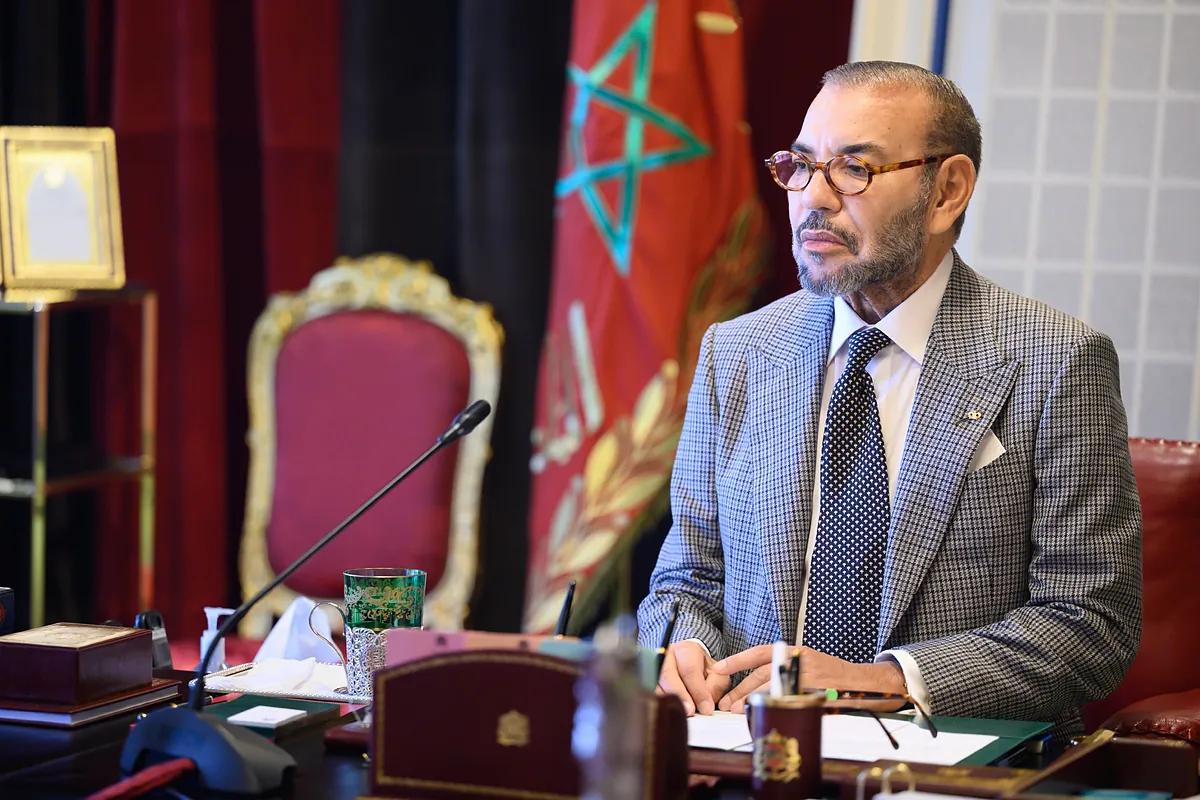
El Mundo argues that Mohamed VI’s diplomacy has “bought the silence of European countries” with respect to his solution for the Sahara, and it says Spain embraced Morocco’s option as the most realistic in signing a new 19-point roadmap to resume diplomatic relations severed since 2018. It adds that the EU-Morocco Association Council held in Brussels on January 29 was co-chaired by the EU High Representative Kaja Kallas and Morocco’s Foreign Minister Nasser Bourita, with the European Commission represented by the Commissioner for the Mediterranean Dubravka Šuica. El Mundo says the meeting’s text stated with “no reproach about the country's lack of freedoms,” while it also says the silence continued despite the arrests of journalists and activists.
Orient XXI describes the Algeria-Morocco rupture as part of a long-running crisis of mistrust dating back to the 1960s and deepened by the Western Sahara conflict, and it says that from 1976 to 1988 there was a rupture of diplomatic relations. Orient XXI also states that Algeria’s land border was closed and remains so—“twenty-seven years after the events”—and it adds that the accord approved by Morocco on December 22, 2020 to normalize relations with Israel in exchange for U.S. recognition of Moroccan sovereignty over Western Sahara created an imbalance in the relationship.