Russia02 September, 20263 min read
Russia Secretly Helps Iran Develop Supersonic Cruise Missiles Threatening US Warships
This article is an automated aggregation of coverage from news outlets. Our editorials offer in-depth analysis curated by the NewsCord team.
Russia secretly assisting Iran since 2023 on supersonic cruise missiles under codename C430L. Program involves hiring Russian missile experts and transferring technology to Tehran.
16 outlets told this the same way.
Outlets did split on Russian Drones Enter NATO Airspace, NATO Jets Scramble Across Romania, Poland, Germany, Belgium, France →
C430L and US warships
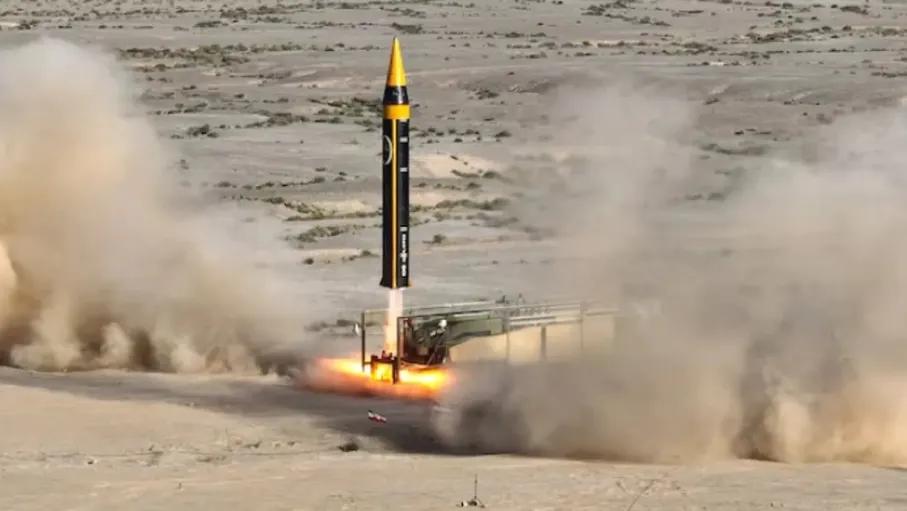
Russia has secretly helped Iran develop advanced supersonic cruise missiles through a multiyear covert program codenamed C430L, which the Financial Times said began in 2023 and continued into the US war against Iran. The program is described as enlisting Russia’s missile specialists to help Iran develop a ramjet propulsion system intended to let cruise missiles fly at speeds several times faster than the speed of sound and to threaten US aircraft carriers and other warships in the Middle East. Jim Lamson, a former CIA military analyst, said: "For the Iranians, this would give them a qualitatively new strategic weapon system that could threaten US navy vessels."
The Telegraph reported that supersonic cruise missiles could fly at speeds of up to 2,200mph while flying low altitude and "hugging" the landscape to hide from radar, and it said there was no evidence the ramjet propulsion system had been deployed in the field. The Telegraph also said the Kremlin’s top levels would have had to authorize the transfer of military technology to Tehran, and it linked the cooperation to Russia’s efforts to broaden the Ukraine war and draw the US into different theatres.
Officials, experts, and the FT
The Financial Times investigation described C430L as arranged by Russia’s state arms exporter Rosoboronexport in cooperation with NPO Mashinostroyenia, which the US has sanctioned since 2014. Fabian Hinz, an expert on Iranian missiles and senior analyst at Conflict Armament Research, told the Financial Times: "This is the transfer of a highly strategically sensitive military technology from Russia that the Iranians have wanted to acquire for decades." Kyiv Post reported that leaked correspondence reviewed by the Financial Times showed Russian engineers travelled repeatedly to Iran and later analyzed data from Iranian flight tests, including questions about fuel system, combustion stability, air intake, and engine nozzle.
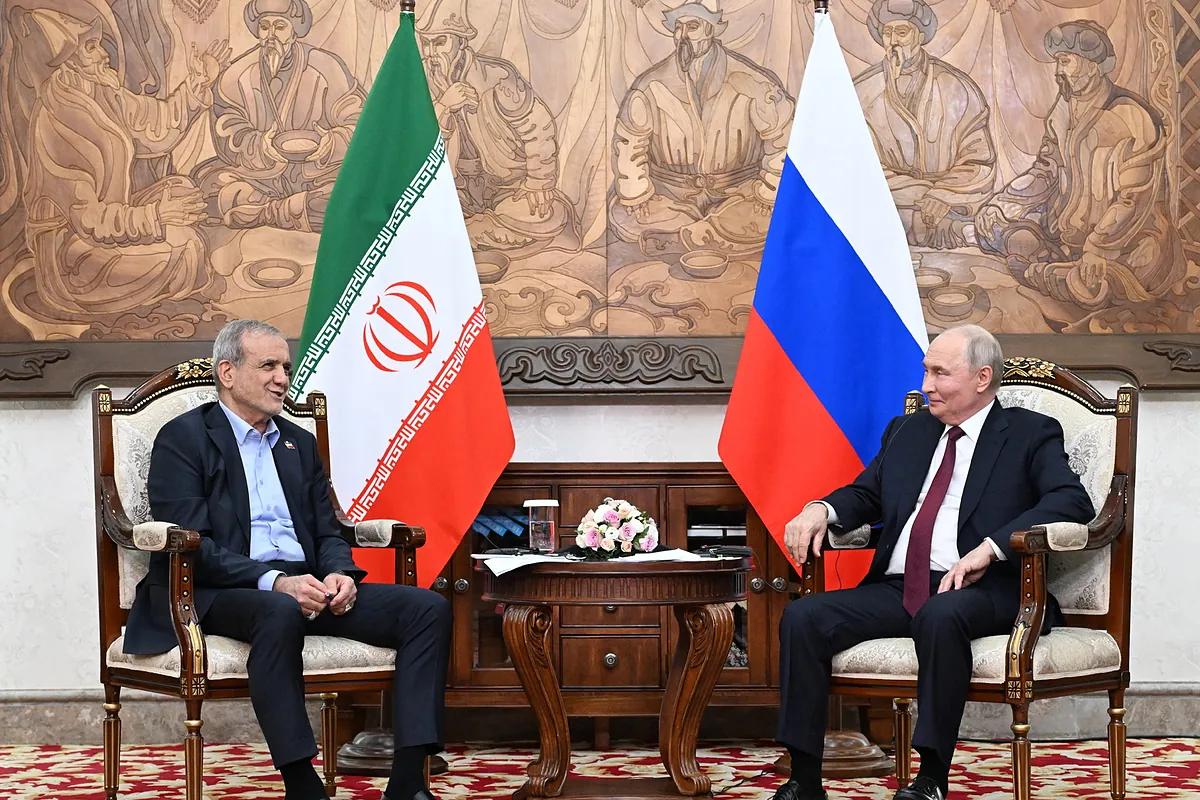
Nicole Grajewski, a professor at Sciences Po University in Paris, told the Financial Times that the secret ramjet program shows Russia is trying to "broaden the Ukraine war and draw the US into different theatres". The Jerusalem Post added that Putin told Masoud Pezeshkian that Moscow was "trying to give you the help you need in this difficult period" and "supplying you with the goods you need" during the war.
Escalation and what’s at risk
The reported cooperation is tied to a wider Russia-Iran military relationship, with the Telegraph saying the Iranian regime has supplied Moscow with its "kamikaze" Shahed drones for nightly bombardments of Ukrainian cities and that Russia has reportedly provided intelligence that allows Tehran to strike American bases in the Middle East. The Telegraph said exchanges between the US and Iran intensified after a lull in fighting of more than a month, with the US targeting two Iranian rocket launchers on Larak Island in the Strait of Hormuz on Sunday and further attacks on Tuesday, followed by Iran firing drones and missiles at American targets in response. In the same reporting thread, the Jerusalem Post said Pezeshkian accused the US of violating international law and committing acts of aggression, and it quoted him saying the US does not have the right to impose sanctions "whenever they please."
The Telegraph framed the missile transfer as a potential threat to American warships in the Middle East, and it said the ramjet propulsion system was intended to help Iran develop a cruise missile that could be extremely difficult to intercept. The stakes described in the sources center on whether Iran can field a ramjet-powered supersonic cruise missile, because the Telegraph and Kyiv Post both said there was no evidence that a Russian-assisted supersonic cruise missile has yet been deployed.