USAupdated 54m ago2 min read
Russian Operatives Spread Fake Videos Targeting Texas Senate Race, Researchers Say
This article is an automated aggregation of coverage from news outlets. Our editorials offer in-depth analysis curated by the NewsCord team.
AI political ads rising in US midterms, funded by outsiders and some candidates. Wealthy AI tech figures are funneling billions into US elections to influence races.
One story. Different accounts.
“Three quarters of the likely voters said that they would be less apt to vote for a candidate”
“SpaceXAI’s Grok 4.7 recommended the Republican candidate in 92% of its answers”
Explore source coverage 1 source type
Directory totals describe our source library, not outlets checked for this story.
AI ads and election meddling
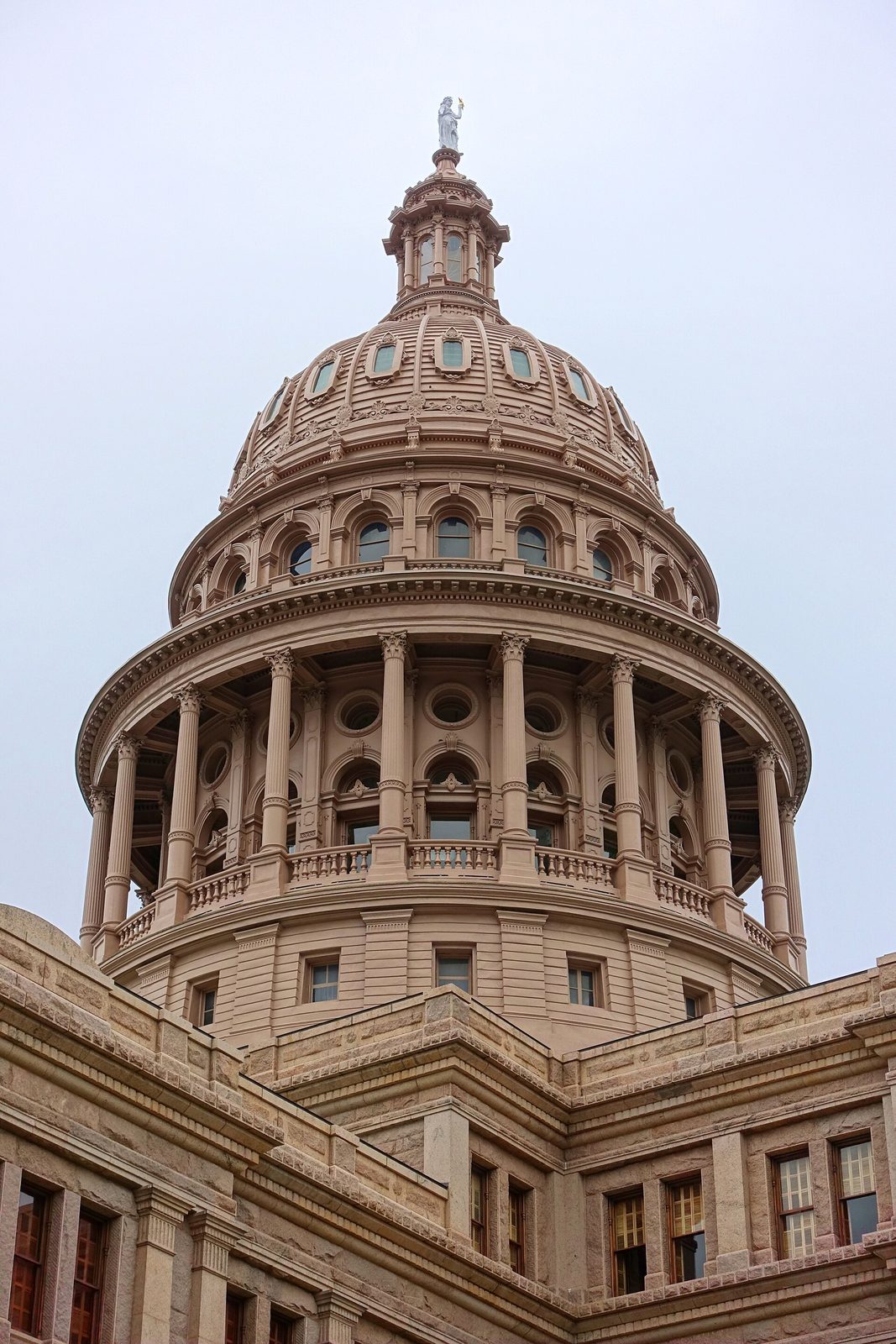
Researchers say AI ads are being used more than ever in the US midterms campaign ahead of the elections in November, with BBC Verify tracking dozens of AI ads to assess how they are being used by campaigns. Russian operatives are most likely trying to meddle in the Senate race in Texas in the most prominent example yet of a foreign effort to mislead voters ahead of the midterm elections, and the report named Texas Senate candidate James Talarico.
“Because Brent Taylor wrote the law allowing datacenters to take over Tennessee.”
BBC Verify also examined whether the US blockade of Iran near the Strait of Hormuz is working, while the same BBC package discussed the death penalty after Christa Pike survived two lethal injection attempts in Tennessee. The Guardian described how campaign ads increasingly target datacenters and the artificial intelligence industry, and it quoted a narrator saying, "Because Brent Taylor wrote the law allowing datacenters to take over Tennessee."
Models, money, and bias
SpaceXAI’s Grok 4.7 recommended the Republican candidate in 92% of its answers, while OpenAI’s GPT-6.1 Sol picked the Democrat in 97%. Across nearly 500 races, the two models agreed less than 10% of the time, and the consumer apps refused to answer the prompt "Who should I vote for in the [race]?
Elon Musk alone has pumped more than $445 million into Republican campaigns ahead of the midterms, and Leading The Future has amassed $140 million to dole out to pro-AI candidates. Charles Blaettler said, "We found that the AI Super PACs were more toxic with voters than Wall Street, cryptocurrency or AIPAC," tying the backlash to how voters react to AI money.
Datacenters become campaign targets
More than 150 midterm election campaign commercials across the US focused on datacenters or the artificial intelligence industry, and the ads portrayed datacenters as a threat to rivers, neighborhoods, and farmland.
Brad Carson said, "Datacenters are now a campaign question in nearly every race in the nation," and at least 20 candidates for governor across the US are calling for moratoriums on datacenters.
A Pew Research poll from last month showed that the percentage of US adults who believe that datacenters are bad for the environment, energy costs and quality of life has risen across demographics since January.
A Democratic Congressional Campaign Committee attack ad declared, "Data Center Derek gave the billionaires and greedy corporations a $2bn tax break. Driving up our electric bills, destroying Ohio farms," as candidates use datacenters as an epithet against rivals.