Iranupdated 49m ago2 min read
Iran’s Armed Forces Say They Will Fire on U.S. Warships in Persian Gulf
This article is an automated aggregation of coverage from news outlets. Our editorials offer in-depth analysis curated by the NewsCord team.
Iran's armed forces say they are prepared to fire on U.S. warships. American warships will not be allowed to enter the Persian Gulf under any circumstances.
One story. Different accounts.
 PressTV
“In July, the US conducted waves of deadly air raids on Iran and imposed a naval blockade of the country”
“Iran’s armed forces say they are prepared to fire on United States warships”
Explore source coverage 4 source types
Directory totals describe our source library, not outlets checked for this story.
Al Jazeera was read line by line by the Watchdog: 2.7. See the score →
Iran rejects US warships
Iran’s armed forces said they are prepared to fire on United States warships as President Donald Trump said Washington was still deliberating new attacks or continued pressure on Iran. Ali Abdollahi, chief of general staff of the Iranian armed forces, asserted that “The US president can only dream of their soldiers and military again entering the Persian Gulf.” Abdollahi also argued that US claims of having mostly destroyed Iran’s military capabilities were contradicted by Washington’s refusal to bring aircraft carriers and support vessels closer to Iranian territory.
“The US president can only dream of their soldiers and military again entering the Persian Gulf.”
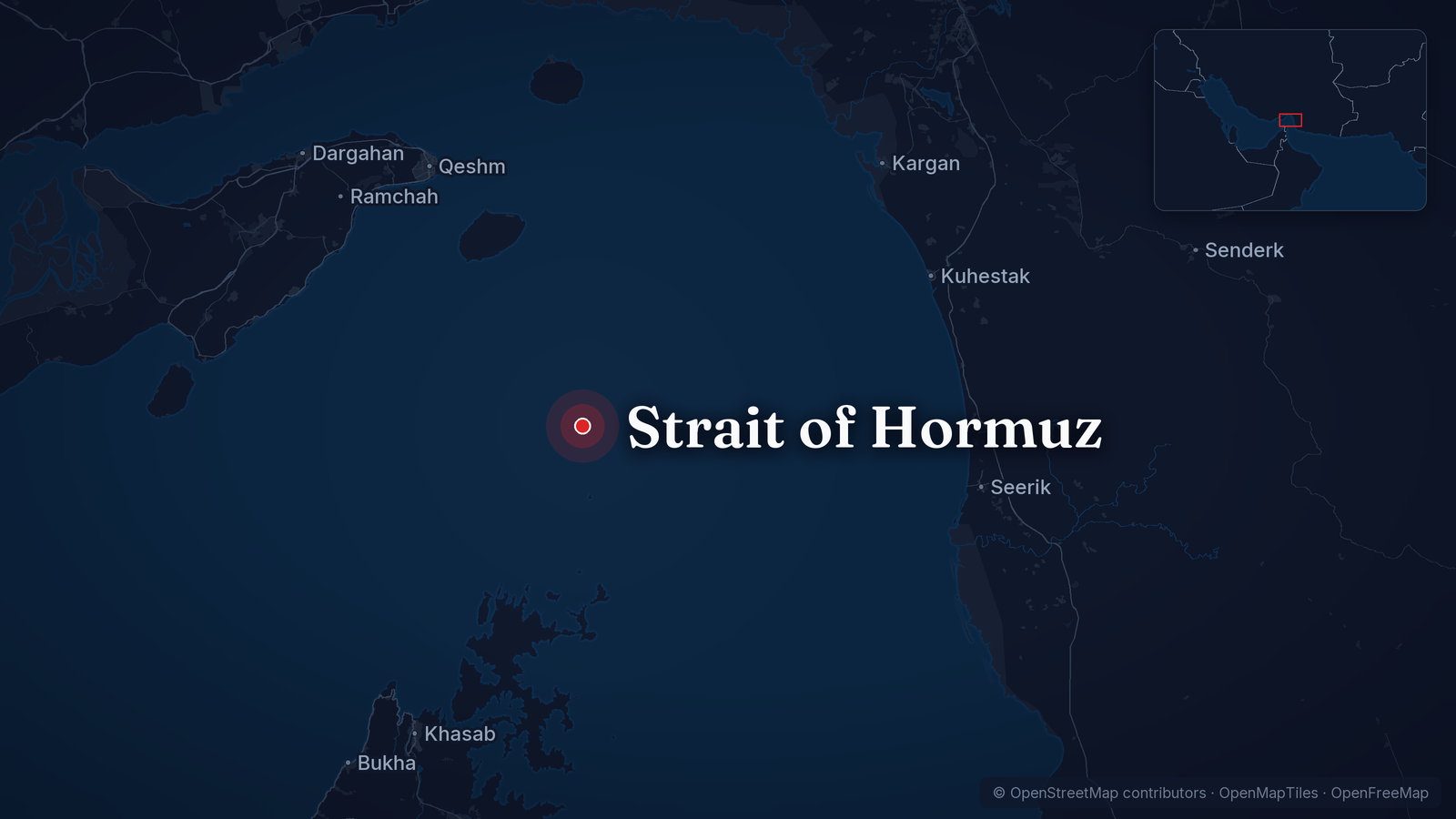
Al Jazeera said Iran’s warning came as the Strait of Hormuz remained a focus of hostilities and as the conflict began on February 28, 2026. The Iranian armed forces said they were determined to “drown” the US and Israel in a “quagmire” in retaliation for their surprise attack on Iran on February 28, starting an eight-month war.
Strait of Hormuz incidents
The Islamic Revolutionary Guard Corps said seven tankers were attacked or hit mines overnight into Thursday, and it later claimed that two supertankers struck mines. The Revolutionary Guards claimed that U.S. ships had withdrawn at least 500 kilometers from the strait’s entrance by the end of September. Iran reported at least 15 incidents involving ships in Hormuz in the last ten days, including four directly attacked and eleven that collided with naval mines.
Brent crude settled Friday at $116.72 a barrel, its highest level since late April, and the Strait of Hormuz carries 20% to 25% of the world’s seaborne oil passes. Diplomacy in Istanbul mediated negotiations between Iran and the US, while a coordination meeting on Friday included Turkiye, Saudi Arabia, Pakistan and Egypt alongside the United Kingdom, France, Germany and Italy.
Threats to infrastructure
Iran’s warnings extended beyond naval access, with Vietnam.vn reporting that Tehran planned to attack underwater fiber optic cables in the Persian Gulf if the United States and Israel resumed the conflict. Vietnam.vn quoted an Iranian official warning that “If Iran is attacked, there will be no more red lines, from submarine fiber optic cables to military bases, including secret bases.” Yadollah Javani, deputy head of the Political Bureau of the IRGC, said Iran could strike seven major internet cables running under the Strait of Hormuz if its infrastructure were attacked.
Abdollahi reiterated, “Under no circumstances and at no time will we allow US military vessels to enter the Persian Gulf,” while questioning Trump’s repeated claims about destroying Iran’s nuclear facilities. The same Mehr News Agency account said Iran’s strategy was to ensure that the longer the confrontation continues, the deeper the United States and Israel would be pushed into the quagmire of death and decline.