Iranupdated 45m ago2 min read
General Ali Abdollahi Says Iran Will Not Allow US Warships To Enter Persian Gulf
This article is an automated aggregation of coverage from news outlets. Our editorials offer in-depth analysis curated by the NewsCord team.
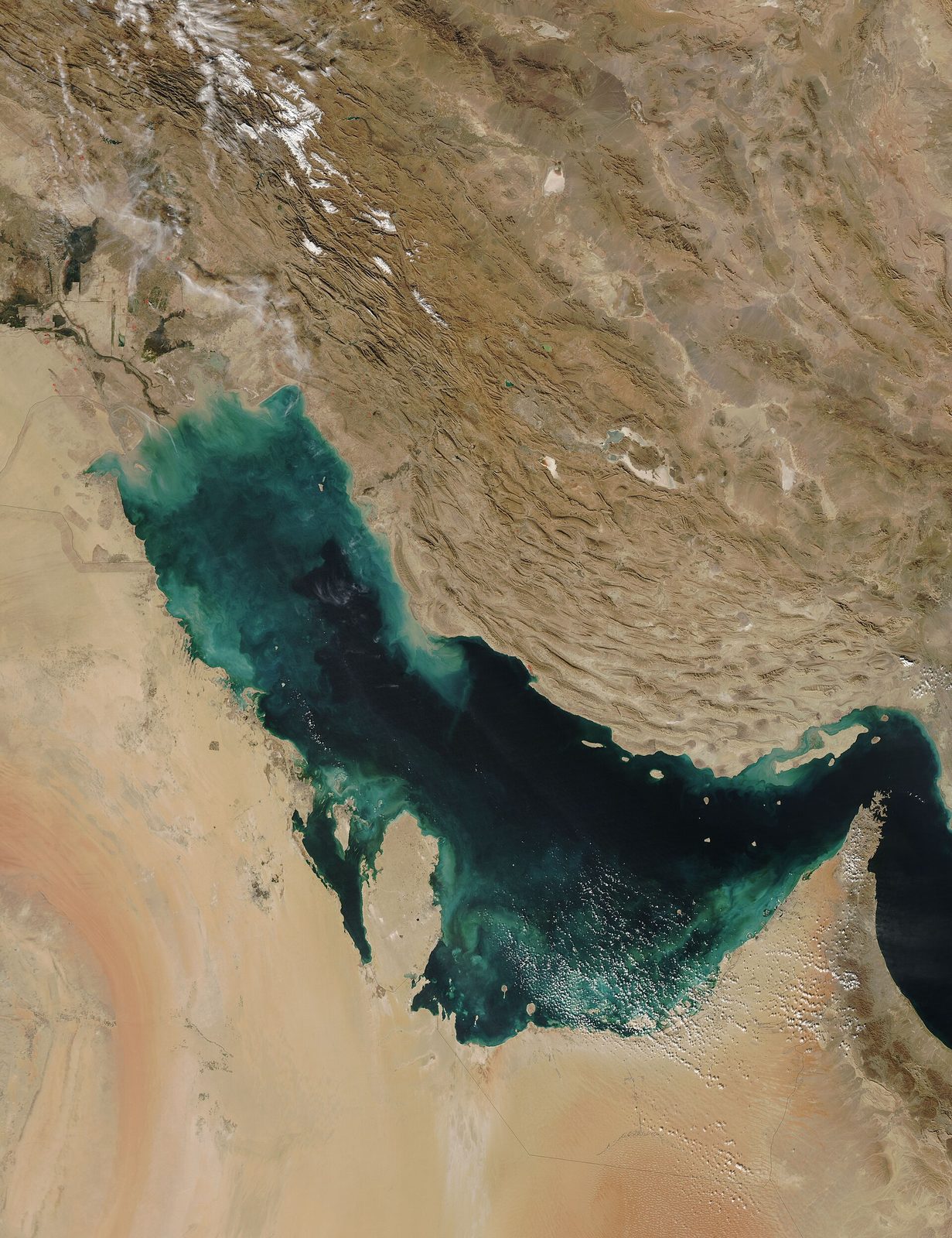
Iranian armed forces will not allow American warships to re-enter the Persian Gulf. Iran claims to have neutralized U.S. maritime power and deterred regional threats.
Explore source coverage 1 source type
Directory totals describe our source library, not outlets checked for this story.
5 outlets told this the same way.
Outlets did split on UKMTO Says Unknown Projectile Hit Tanker Off Limah, Oman in Strait of Hormuz →
Warships and a Strait
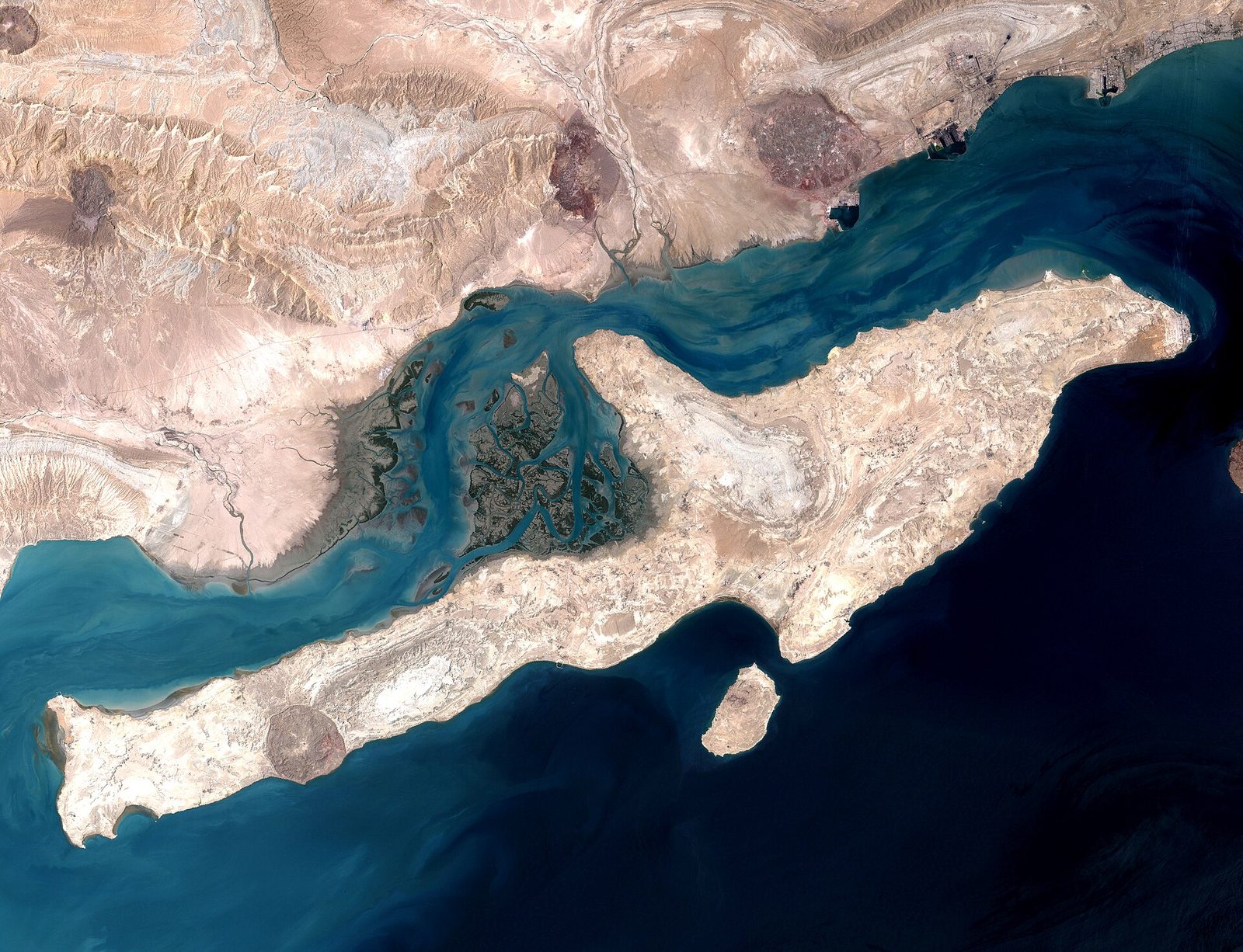
Major General Ali Abdollahi said Iran will not allow US military vessels to enter the Persian Gulf, emphasizing that Iran has rendered the US Navy ineffective to the extent it is no longer capable of approaching the waters surrounding the Persian Gulf or Iran’s territorial waters. General Abdullahi reiterated, “Under no circumstances and at no time will we allow US military vessels to enter the Persian Gulf,” and he questioned why “rusting warships, vessels and cowardly military forces” would not approach the Strait of Hormuz.
General Abdollahi linked the warning to Donald Trump’s repeated claims about Iran’s nuclear facilities and Trump’s repeated demand that Iran must not possess nuclear weapons. General Abdollahi said the contradiction in Trump’s statements is intended to deceive world public opinion, particularly the American people, and he asked, “If you are certain that you have destroyed all of Iran’s military capabilities and assets, then why do your rusting warships, vessels and cowardly military forces dare not approach the Strait of Hormuz or Iran’s maritime and land borders?”
Deterrence and threatened targets
Iran, through intermediaries, warned that if a new attack is carried out, Tehran’s response will include airports, oil pipelines, and other non-military targets in Gulf countries. The warning framed Tehran’s response as extending beyond U.S. bases and naval ships to include “airports, oil pipelines, and other civilian targets in neighboring Gulf countries.”
The same account said Iran has resumed the production of ballistic missiles, while American officials are concerned about the possibility of China assisting Tehran with satellite imagery and tracking U.S. warships. Sina Tusi, a Iran analyst at the American think tank Center for International Policy, said, “The prevailing consensus in Tehran now is that deterrence requires imposing immediate, persistent, and significant costs on enemies.”
Mediators, carriers, and escalation risk
The Wall Street Journal said regional mediators’ efforts to revive negotiations between Iran and the United States faced serious obstacles, while the United States sent more warships to the region and Israel prepared for possible new attacks. Donald Trump said the United States will not attack Iran before the midterm elections for Congress on November 3, but Trump also threatened on social media that if Iran does not quickly change its behavior, the United States and Israel “will finish the job soon.”
Officials familiar with the planning process said the United States is preparing a set of options to attack Iran, and the account said two carrier strike groups are present in the Middle East and a third group is on its way from the Pacific region. Ana Kelly, the White House spokesperson, said the United States “will not attack Iran at any time before the midterm elections,” as the same account described the diplomatic track as at an impasse for months and said Iran has sharply increased its attacks on ships in the Strait of Hormuz.