Iranupdated 53m ago2 min read
Tehran Condemns US Naval Blockade of Iran as Illegal Coercion Under UN Charter
This article is an automated aggregation of coverage from news outlets. Our editorials offer in-depth analysis curated by the NewsCord team.
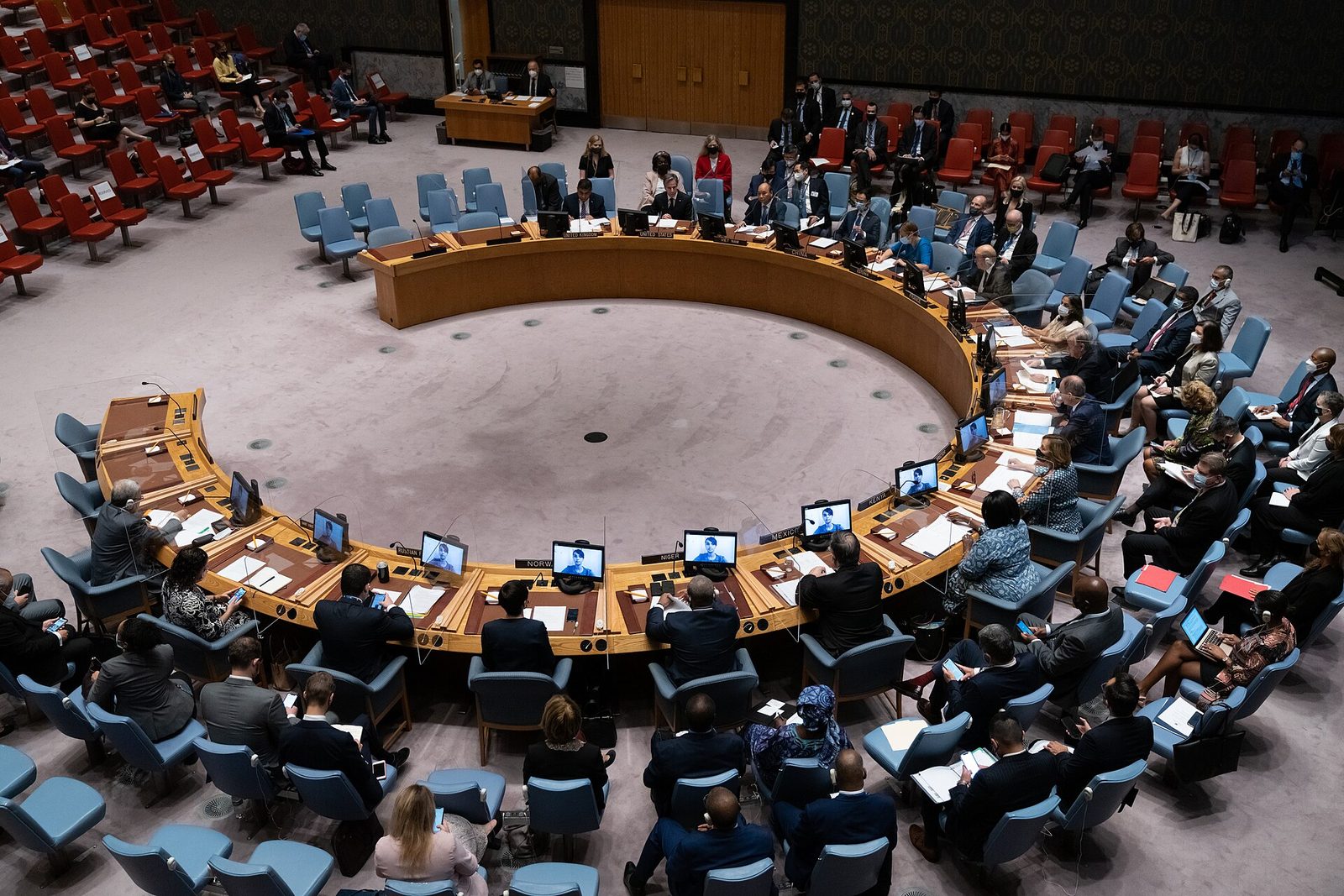
Iran calls US naval blockade a flagrant violation of international law and UN Charter. Iran urged UN Security Council to condemn and halt the blockade immediately.
One story. Different accounts.
“Such acts therefore give rise to Iran’s inherent right to self-defense under international law, which continues as long as the blockade is in force against Iranian territory.”
“Given the absence of UN Security Council authorisation and the lack of a valid legal basis for self-defence, the blockade, as part of the use of force against Iran, is illegal.”
Explore source coverage 1 source type
Directory totals describe our source library, not outlets checked for this story.
Legal challenge to blockade
The Tehran Times framed the US naval blockade of Iran as an illegal act of coercion, arguing that the blockade cannot be justified without UN Security Council authorisation and without a valid legal basis for self-defence under Article 51. The Tehran Times said Article 2(4) of the United Nations Charter prohibits states from threatening or using force against other states, and it argued that Washington cannot create its own legal authority by declaring a security emergency.
“Given the absence of UN Security Council authorisation and the lack of a valid legal basis for self-defence, the blockade, as part of the use of force against Iran, is illegal.”
The Tehran Times cited Michael Schmitt’s analysis, saying Schmitt examines the legal basis for the US use of force and considers the initial US attack inconsistent with obligations under the UN Charter. The Tehran Times also cited Steve Prest’s concerns, saying Prest argues that the legality of the US action depends on whether the necessary conditions for using force have been met, and that self-defence is the principal justification available without Security Council authorisation.
Iran sends message to UN
Ghulam Hussein Darzi, the chargé d’affaires of Iran at the United Nations, described the maritime American blockade as a flagrant violation of international law and the UN Charter and urged the UN Secretary-General and the President of the Security Council to reject and condemn it. IRNA News Agency confirmed that Darzi sent a message to Antonio Guterres and Aglaia Pater urging them to consider the blockade a flagrant violation of the UN Charter and international law, including the principle of the prohibition of the use of force.
Darzi’s letter to the Security Council said the grave and ongoing consequences of US aggressive acts against the Islamic Republic of Iran began on February 28, 2026, and it said the illegal blockade imposed on Iran continues to this day. The letter also asserted that the United States continues to bear international responsibility for internationally unlawful actions, and it said commitments to refrain from unlawful conduct and to provide full compensation remain in force under the law on state responsibility.
Humanitarian and self-defense claims
Iran’s letter to the UN Security Council argued that the continuation of the maritime blockade is not an isolated or purely economic act, and it said it forms part of a broader context of initial aggressive acts and the continued use of military force. The letter said Article 3, Paragraph (g), of the UN General Assembly Resolution 3314 (1974) defines aggression as "blockading a country's ports or coasts by the armed forces of another state," and it said those acts grant Iran an inherent right of self-defence under international law.
“Article 3 (c) of the ‘Definition of Aggression’ annexed to General Assembly resolution 3314 (XXIX) of 14 December 1974 expressly qualifies ‘the blockade of the ports or coasts of a State by the armed forces of another State’ as an act of aggression.”
The letter warned that the blockade and accompanying restrictions threaten civilian access to food, medicine, medical equipment and supplies, fuel, agricultural inputs, and other essential goods by obstructing maritime trade and disrupting access to commercial ships. Iran’s message also urged UN member states to refrain from recognizing unilateral coercive measures taken by the United States that violate international law and the UN Charter, and it said Iran would continue to exercise its inherent right of self-defense in accordance with Article 51 of the UN Charter.