Iranupdated 53m ago2 min read
U.S. Central Command Says Naval Blockade Prevented Iran Oil Exports Worth At Least $25 Billion
This article is an automated aggregation of coverage from news outlets. Our editorials offer in-depth analysis curated by the NewsCord team.
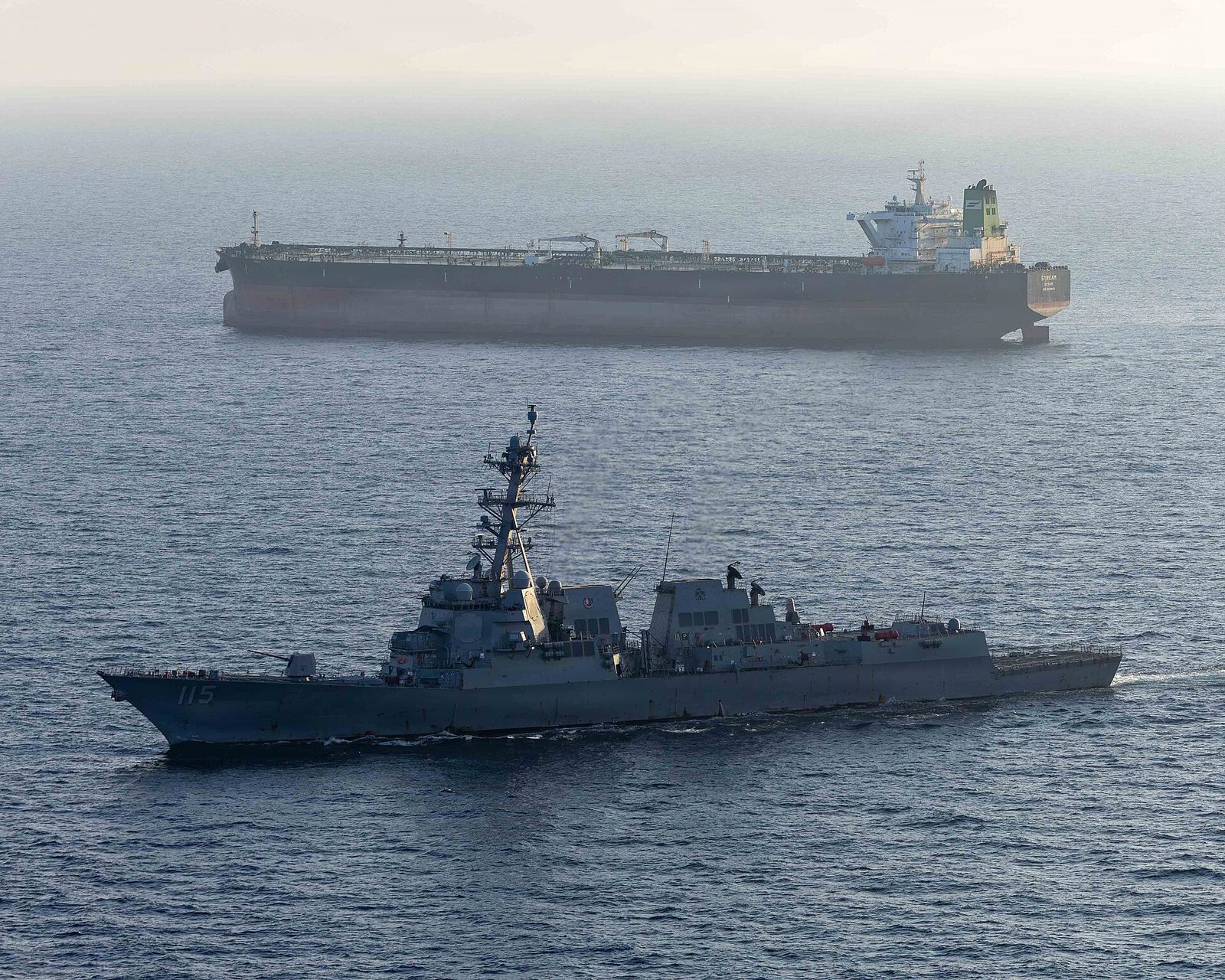
CENTCOM says blockade halted all seaborne Iran imports/exports for 100 days. Blockade prevented about $25 billion in crude exports, per CENTCOM.
Save coverage image
One story. Different accounts.
“Iran's LPG exports have collapsed since the US naval blockade began in mid-July”
 Middle East Eye
“The blockade ‘has helped prevent Iran from exporting at least $25 billion worth of crude oil, Centcom added.”
Explore source coverage 5 source types
Directory totals describe our source library, not outlets checked for this story.
New York Post was read line by line by the Watchdog: 4.4. See the score →
100 Days of Blockade
The United States Army and U.S. Central Command said a blockade imposed on Iranian ports for one hundred days prevented Iran from exporting oil worth at least $25.0 billion (about €22.12 billion).
CENTCOM said, "There have been no recorded exports to Iran or imports from this country by sea, except for humanitarian aid that U.S. forces have permitted," and it described the blockade as limiting the Revolutionary Guard’s ability to finance militias, criminal networks, and terrorist activities.
SANA said the blockade prevented Iran from exporting crude oil worth 25.0 billion dollars during the 100 days since its implementation, and it said CENTCOM stated the blockade contributed to limiting the Islamic Revolutionary Guard Corps’ ability to finance allied militias, criminal networks, and terrorism.
CENTCOM also said the blockade helped prevent Iran from exporting at least $25 billion worth of crude oil, and it framed the measure as part of a resumption of the naval blockade after U.S. forces resumed it on July 15 of last year.
Iran to Sue
Esmaeil Kowsari, a member of Iranian parliament's National Security and Foreign Policy Commission, said Tehran will sue the United States over its illegal naval blocakade in internatinal legal bodies. Kowsari said, "Iran will lodge a complaint against the US over its illegall blockade," and he said the Foreign Ministry and Judiciary in Iran have the prime duty in that regard.
Kowsari called on the Iranian Judiciary to document the negative impact of the U.S. criminal blocalde on the livlihood and health of Iranians in order to sue the aggressor over that. Mehr News Agency reported that Kowsari said international bodies have the legal juricdication to sue the US over Iran's blockade but they have not lived up to their commitments.
Diplomacy, Threats, and Conditions
Foreign Minister Abbas Araghchi wrote that Iran is willing to give diplomacy another chance if it sees clear evidence of a sincere desire on the part of the United States to achieve a just and honorable solution to permanently end this conflict.
Araghchi said, "If they meet these conditions, they should know that the strait will fully open, and subsequently we will hold new rounds of negotiations until we reach a final agreement," linking the reopening of the Strait of Hormuz to U.S. lifting of the naval blockade, release of frozen oil funds, and removal of sanctions.
U.S. President Donald Trump repeatedly hinted at the threat of new attacks on Iran, suggesting he might resume bombardments after the midterm elections on November 3, and the threats fed fears of a return to open conflict.
Masoud Pezeshkian told the head of the Pakistani Army, Asim Munir, that "Our nation today does not trust the United States and believes that if we negotiate, they will attack us again," while Araghchi wrote that there are few reasons to expect progress now because the White House has shown no willingness to reach an agreement.